
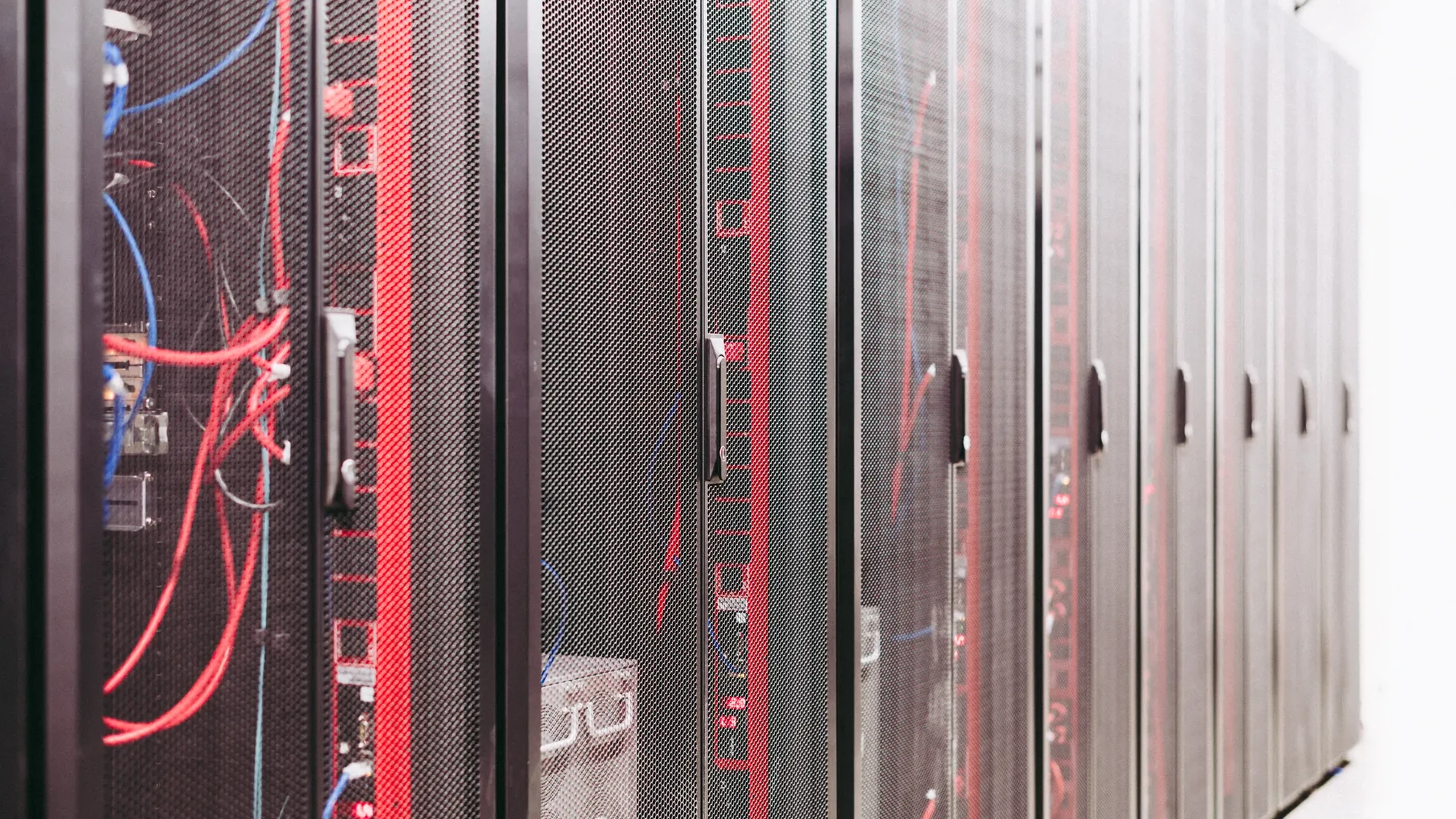
An AI data center can have servers, cooling and a finished building without having dependable power. Oracle's reported use of trucked natural gas illustrates that gap. Fuel deliveries can keep selected construction or early operations moving while a permanent connection is delayed. They should not be read as evidence that a large campus has secured continuous power at its eventual operating load.
Establish what the trucks actually support
Reporting describes regular deliveries outside Salt Lake City for more than a year and an early-stage arrangement in Shackelford County, Texas. Oracle was also considering the method for Project Jupiter in New Mexico. These are different sites and stages. A decision to consider a workaround is not a confirmed deployment, and construction support is not equivalent to powering every accelerator.
The method is often called a virtual pipeline. Gas is compressed into specialized trailers, moved by road and decompressed at the destination before supplying generation equipment. It substitutes a delivery chain for a fixed connection. The public reporting does not disclose the complete daily traffic, supported electrical capacity or Oracle's delivered fuel contract price.
Those missing figures matter when comparing alternatives. A smaller commissioning load might be manageable with scheduled deliveries and storage. A continuously operating campus needs a much larger and more resilient supply. The relevant measure is usable computing capacity sustained over time, rather than the number of buildings that appear complete.
Evaluate the bridge and its endpoint together
Trucked fuel purchases schedule flexibility by adding repeated operational dependencies: drivers, specialized trailers, road access, compression, unloading and storage. Weather or equipment failure can interrupt one of those links. A buffer helps only if its duration matches the site's actual fuel consumption and response time.
Analyst estimates in the reporting put delivered gas well above hub prices. They do not reveal Oracle's confidential terms or establish the total price of electricity. A temporary premium can still be rational if it avoids idle computing equipment. That calculation changes if the temporary period extends without a credible permanent connection.
For a buyer or investor, the useful questions are concrete. Which load is covered, for how many hours, with what delivery reserve? What date ends the arrangement, and what contingency follows another pipeline delay? A bridge without an exit schedule becomes a distinct operating model requiring its own economics.
Keep project claims and permits separate
Oracle's revised Project Jupiter proposal uses Bloom Energy fuel cells. The company says it would reduce nitrogen oxide emissions by about 92 percent compared with its earlier application and require little operating water after startup. That comparison concerns a specific pollutant and design baseline; it does not describe zero emissions or eliminate the need for gas.
New Mexico's state land authority rejected proposed pipeline rights across state trust land, citing public benefit, environmental and information concerns. Truck delivery does not resolve those concerns or grant an air permit. Road traffic, local safety, methane leakage and generation emissions still require assessment.
Judge readiness through operating evidence
Cloud customers should seek milestones linking power delivery to commissioned capacity and contractual service. Communities need delivery volumes, operating limits, incident reporting and a permanent transition plan. Neither group benefits from treating a fuel workaround as a completed energy strategy.
Oracle's example shows why AI infrastructure planning now reaches into logistics and energy permitting. Trucks may preserve useful progress, but durable readiness arrives when the complete fuel, generation and computing chain operates reliably at its stated scale.