
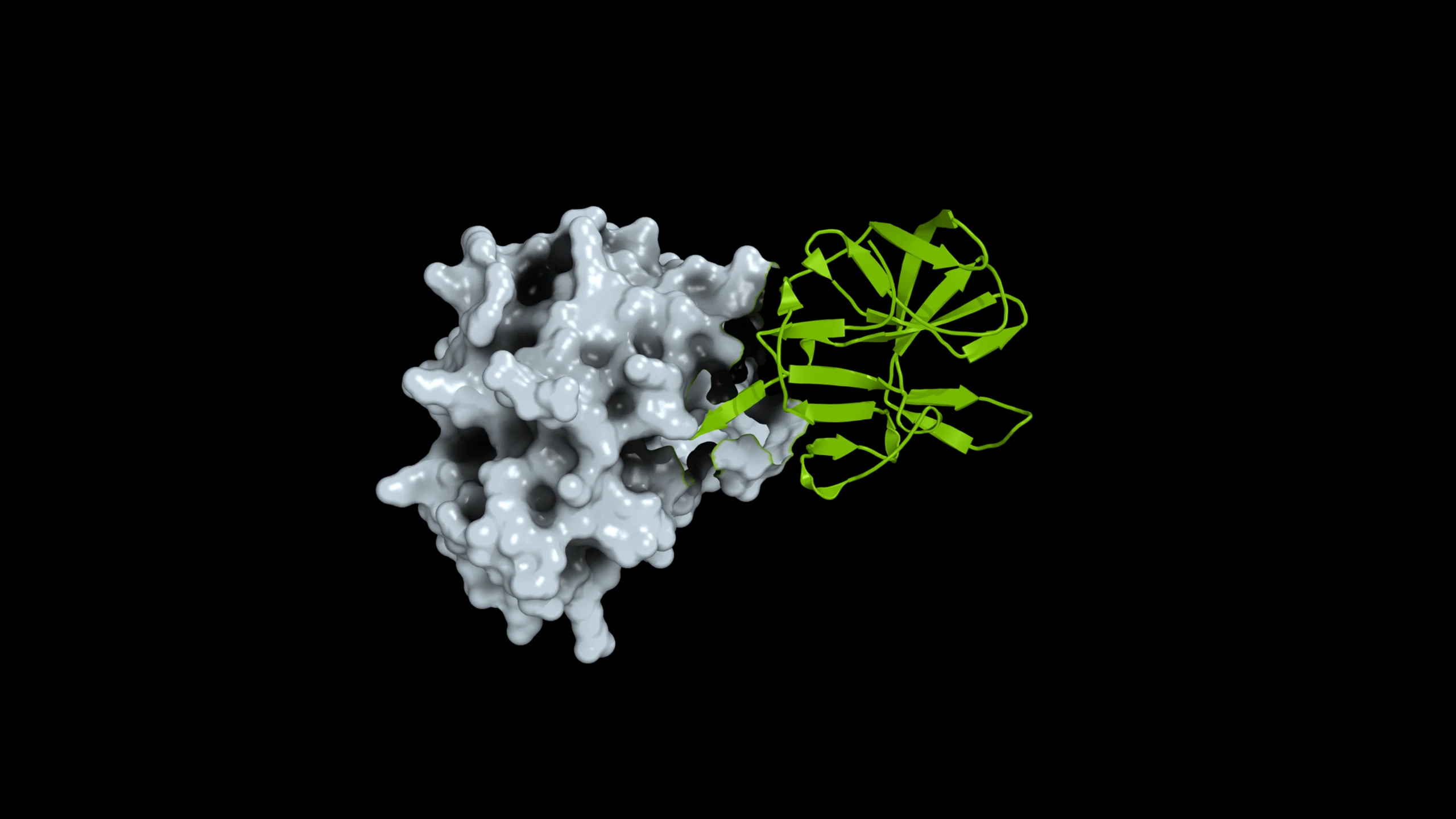
A molecule designed by AI becomes more interesting when an independent laboratory can measure its behavior. It still has a long journey before anyone can call it a useful medicine. The Chai Discovery–GSK collaboration illustrates both points: an internal wet-lab evaluation motivated a broader agreement, while the public evidence remains at an early discovery stage.
The collaboration announcement says GSK tested Chai-generated designs and found binders for every target in its evaluation. It did not disclose target identities, target count, the number of synthesized designs or financial terms. Those omissions limit the conclusions outsiders can draw about productivity and commercial value.
Separate coverage from hit rate
A binder attaches to a target protein. Finding one for each tested target is encouraging coverage, but it does not reveal how many unsuccessful designs were needed. Ten candidates per target and hundreds per target would imply different laboratory costs even with the same headline coverage.
The reported designs were generated without target-specific training, described as zero-shot design. That suggests transfer to new tasks within the evaluated set. It does not establish equal performance on every protein class or difficult future target. Ask which targets were eligible, how experiments were selected, and what existing method supplied the baseline.
Locate the result on the development path
Binding is one property among many. A candidate may still need appropriate selectivity, stability, potency, manufacturing behavior and performance in the body. Strong affinity does not establish safety or benefit in patients, and a well-designed molecule can fail if the biological target does not affect the disease as expected.
Chai's platform description focuses on molecular design and structure-related capabilities. A useful assessment should connect those capabilities to the specific decision they improve. The drug-discovery review cited in the source reporting likewise emphasizes project context rather than treating general model performance as clinical evidence.
Value the experiment without overstating it
GSK's decision matters because its own scientists conducted the test and then expanded the relationship. That is stronger commercial evidence than a benchmark chosen entirely by the vendor. It still does not show that Chai beat every alternative or that an approved medicine will follow.
The reporting describes GSK treating Chai as complementary to internal models informed by proprietary experiments. This is a practical division of labor: external systems propose hypotheses, while the pharmaceutical team controls selection and validation. Partner counts indicate adoption, but program progression, repeat use and useful experimental cycles reveal more about sustained value.
Design a prospective evaluation
A research buyer should define the target panel, candidate budget, assays, baseline and success conditions before generating designs. Record failed candidates as well as successful ones, and track optimization rounds needed to reach the next decision. Contracts should explain where models run, what data returns to the vendor and who owns outputs.
The next stronger evidence would be prospective partner-run results with denominators, followed by candidates meeting development criteria and eventually entering human testing. Each step answers a different question. The present result supports a meaningful early discovery workflow; it does not settle clinical progress. That distinction lets buyers recognize real model value while keeping laboratory efficiency and therapeutic benefit as separate claims.