
A viral hardware post can be true and still be misleading. The common failure is not always a fabricated image or a false specification. Often, a social post has pulled a genuine announcement back into attention without preserving the date, source or limits of the original claim. Teams then treat an old naming decision, benchmark or teardown as a new product event.
Huawei's Kirin 9020 is a useful example. Huawei publicly named the chip during its Mate XTs launch in September 2025. A later social trend revived that moment, but the trend itself was not evidence that Huawei had announced a new processor in 2026. The useful lesson is broader than one phone: determine what happened, when it happened and what the available evidence can actually support before changing a roadmap, purchase plan or technical briefing.

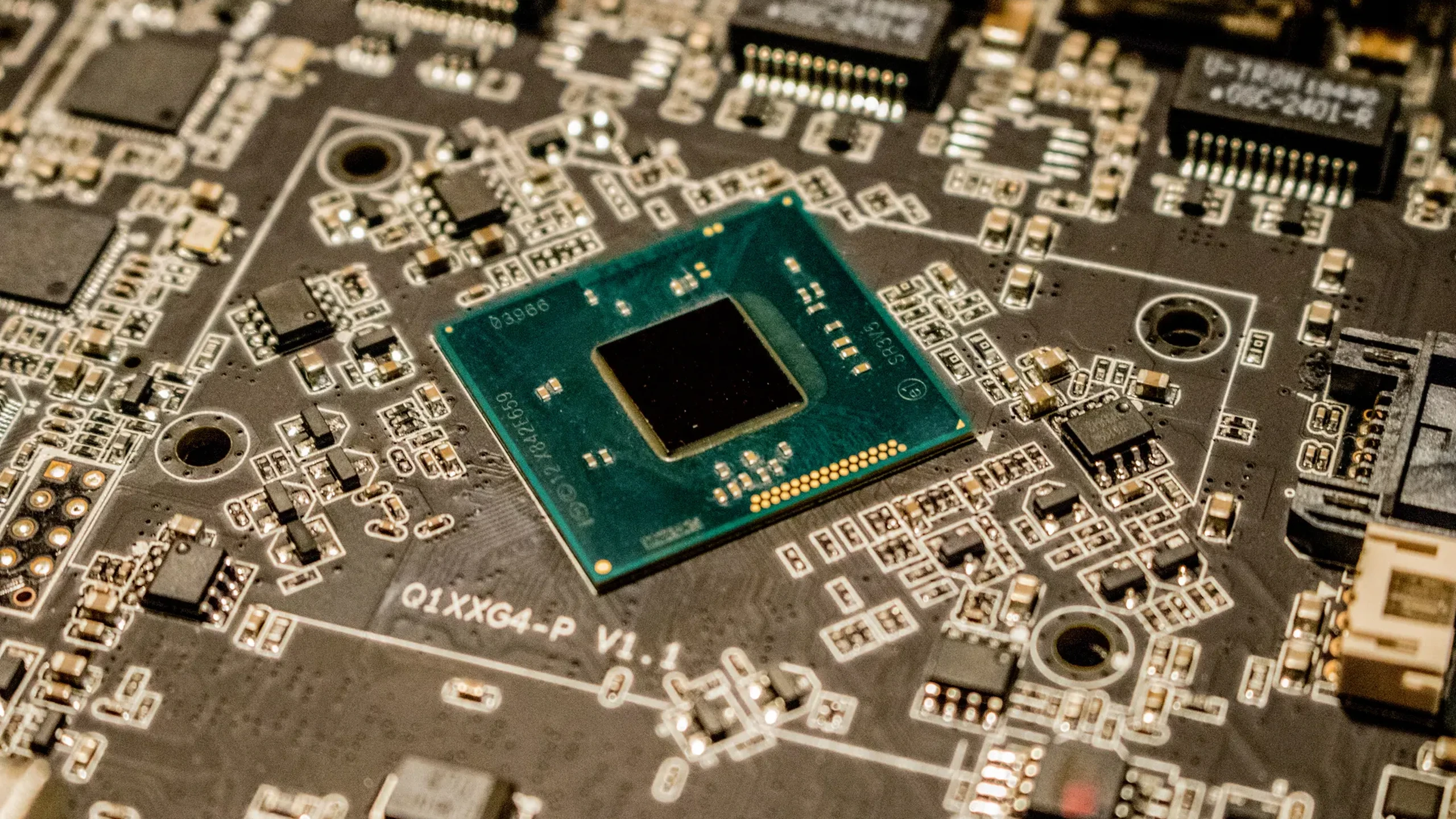
Source-attributed circuit-board photograph used as contextual hardware imagery. It does not depict a Kirin processor, a launch event or a benchmark result.
Start with the event, not the post
Treat the social post as a lead. Find the earliest primary record: a launch page, regulatory filing, product manual, source-code release or vendor statement. Record its publication date separately from the date a post trended, a video was uploaded or an article was republished. Those timestamps answer different questions.
In this case, Huawei's archived launch material establishes the September 2025 event. The resurfaced post may show renewed interest, but it cannot move the product announcement forward a year. If the post has no dependable original timestamp or links only to other reposts, say that clearly. Do not fill the gap with the trending date.
Next, write one narrow sentence describing the event. For example: the vendor publicly named a processor already associated with a shipping device. That is materially different from saying that a new architecture launched, that a new manufacturing process was confirmed, or that the chip beat a competitor. Precise event language prevents a headline from carrying claims it never made.
Split the claim into evidence layers
Hardware stories often combine four layers of evidence that should never be treated as interchangeable.
- Vendor disclosure can establish what the company said about a product, a feature or a tested configuration. It is not independent performance proof.
- Physical analysis can identify components, packaging or likely process characteristics. A teardown is strong evidence for the unit inspected, but it cannot by itself prove fleet-wide availability, yield or future pricing.
- Independent testing can measure a particular retail device under a stated method. It needs repeatable conditions and appropriate competitors before it supports a broad performance conclusion.
- Production evidence includes sustained availability across models, supplier commitments and dependable service support. It is the hardest layer to infer from a launch.
The Kirin 9020 record illustrates why this split matters. Huawei's public naming is evidence of a communications decision. Independent analysis can add information about a component already in hardware. Neither source establishes wafer yield, unrestricted access to manufacturing equipment, or a universal performance comparison with Apple, Qualcomm or MediaTek. Those remain separate questions.
Check what the number compares
A percentage in a launch presentation is often attached to a complete device, not one chip. Software, memory, cooling, battery state, screen settings and workload selection can all change the result. Before repeating a number, record the baseline device, software version, test conditions, metric and whether the measurement came from the vendor or an independent lab.
Avoid converting an overall phone claim into a CPU claim, a short benchmark into sustained performance, or a shipment anecdote into a manufacturing-scale conclusion. The more dramatic the claim, the more useful it is to preserve the comparison boundary. A team choosing hardware needs latency, thermal behavior, supported runtimes, security updates and supply terms for its own workload—not an unqualified headline number.
Use policy context without overstating it
Export-control history explains why Huawei's processor disclosures attract scrutiny. It does not supply the missing technical facts. The United States Commerce Department's published history can anchor a discussion of licensing restrictions and their timeline, but it cannot confirm the manufacturing details of a particular chip unless those details appear in a relevant official record.
Use policy sources to define constraints, vendor sources to identify what was claimed, teardown sources to describe what was observed, and independent tests to describe measured behavior. Label each source type in the draft. This makes it easier for readers to see where uncertainty begins instead of mistaking a well-linked article for proof of every conclusion.
Make a decision record that can be revised
When a resurfaced post affects an engineering or procurement discussion, create a short record with five fields: original event date, source of the claim, exact claim, evidence level and the decision it could change. Add the next evidence needed—such as a current product-change notice, a distributor quotation, retail-device tests or a supplier availability commitment.
This approach is intentionally reversible. If a vendor later releases a new processor, publishes test methods or changes supply terms, update that specific field. There is no need to rewrite history or pretend the original social trend was a new event.
The goal is not to dismiss every recycled post. Renewed attention can reveal what users care about, and older launches can still contain useful technical lessons. The goal is to keep attention separate from novelty. In AI hardware, that discipline prevents a team from treating a viral signal as a roadmap fact and leaves room for the evidence that really should change a decision.