
September 15, 2026 —
Perplexity expands GPT-6 Astra across engineering workflows
Today’s brief follows a practical question: when an AI system can touch real software, what evidence and controls should come with that authority? Perplexity’s Astra deployment, Google’s Windows Gemini app, and a CUDA compatibility project each show a different boundary between model capability and operational responsibility.
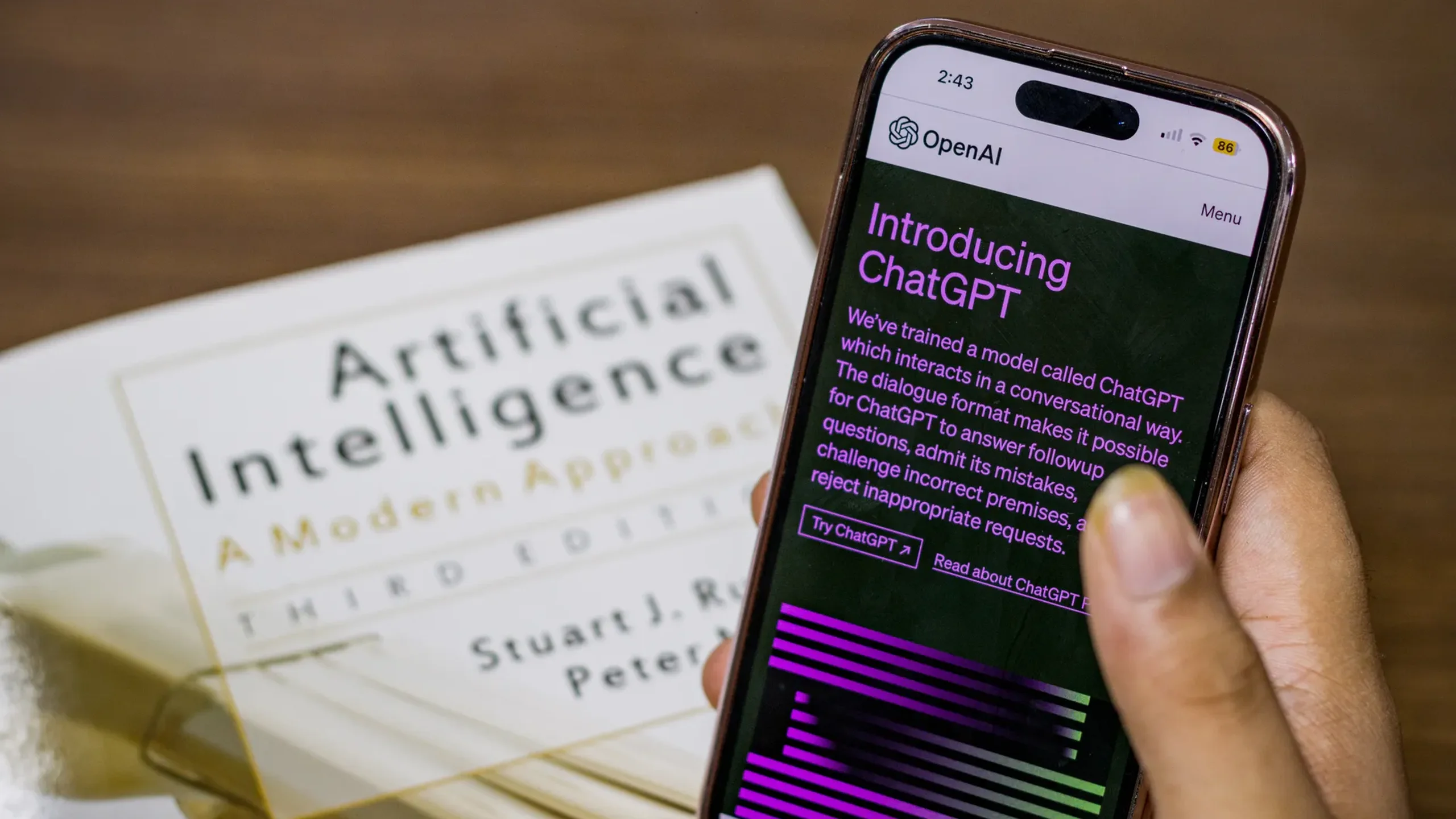
Perplexity expands GPT-6 Astra across engineering workflows
Perplexity says GPT-6 Astra now helps with communications, software changes, testing, and production monitoring across end-to-end work. The published account frames the gain as fewer handoffs and less frequent human checking, rather than a single coding benchmark.
The disclosure leaves important operating details open: it does not specify failure rates, approval boundaries, rollback frequency, or exactly which production actions can proceed without a person. Those omissions matter whenever an agent can affect a live service.
Google’s Gemini app arrives on Windows
Google’s Gemini app for Windows brings the assistant into the desktop environment, putting it alongside Microsoft Copilot on its home platform. The release makes the interface and integration choices—not only model quality—part of the daily AI product competition.
For teams, a desktop assistant still needs clear data-access rules, predictable shortcuts, and an understandable boundary between local context and cloud processing.
A CUDA-on-AMD project exposes a narrow compatibility path
The CUDA for AMD on Windows project demonstrates that some CUDA-oriented workloads can be adapted to AMD hardware through a constrained compatibility route. It is not a general replacement for NVIDIA’s stack, and its practical value depends on the software, drivers, and workload involved.
The project is a useful signal for developers comparing local AI hardware: portability improves through tooling, but support claims should be tested against a specific workflow before procurement decisions are made.