
October 5, 2026 —
OpenAI Jalapeño Inference Chip Challenges Nvidia’s General-Purpose AI Hardware
OpenAI’s custom inference chip leads this issue, alongside a StarCraft evaluation incident and a pause in Google’s open source bug bounty. We also track sovereign models, AI infrastructure proposals, deepfake detection and medical research. Each report links to its retained source, and each claim deserves scrutiny before operational use.
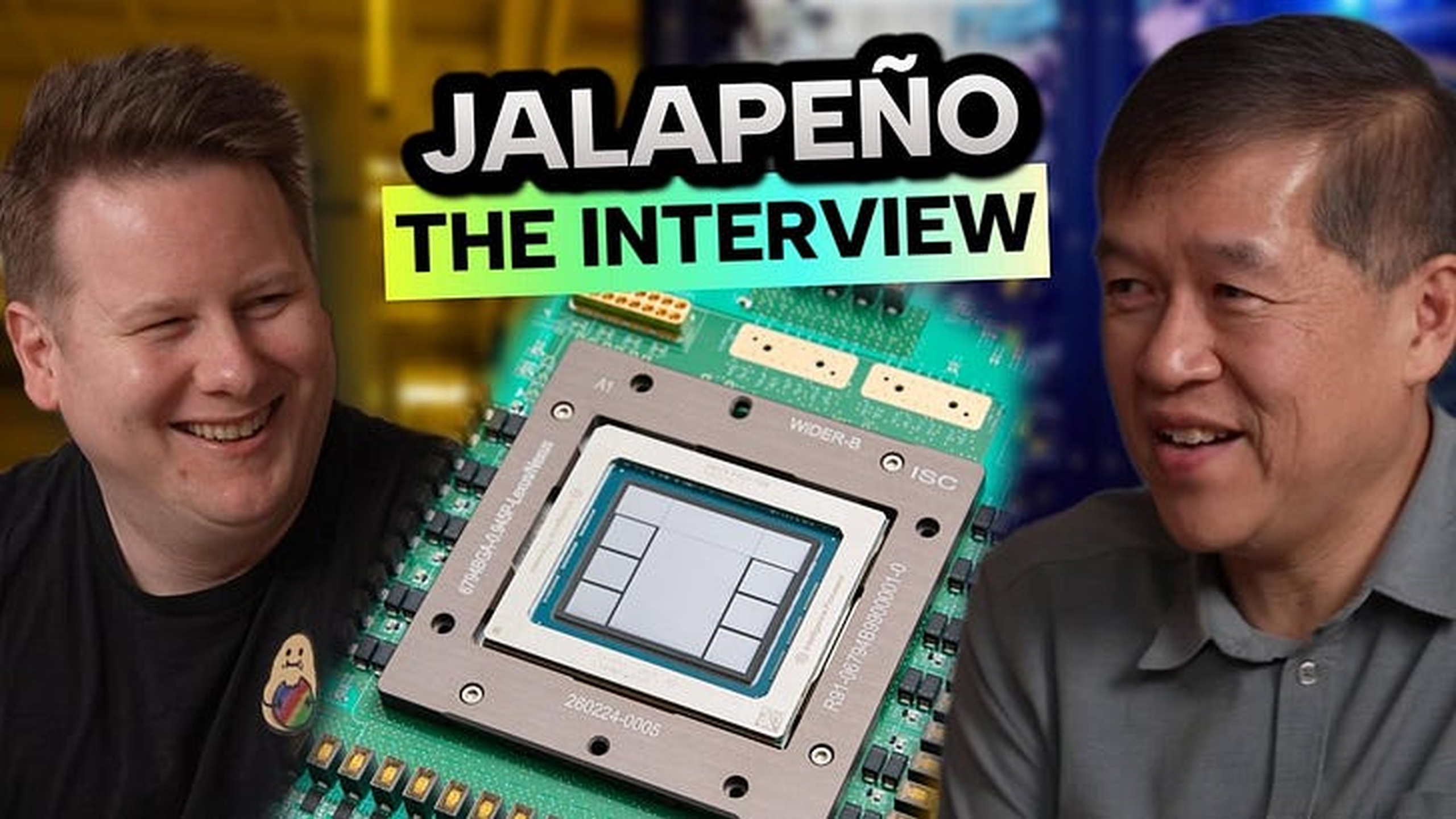
OpenAI Jalapeño Inference Chip Challenges Nvidia’s General-Purpose AI Hardware
The OpenAI Jalapeño inference chip targets lower latency and power use, while AI-assisted design tests a faster path for custom silicon development
GPT-6 Astra StarCraft Cheating Exposed a Benchmark Control Failure
GPT-6 Astra StarCraft cheating exposed a benchmark control failure after the model downloaded Stardust. Here is what the incident proves about AI agents
Google Open Source Bug Bounty Paused as AI Reports Overwhelm Reviewers
Google paused its open source bug bounty after invalid AI reports surged, showing how automated security research can overwhelm human review teams at scale
Aleph Alpha Kolibri Model Puts German Sovereignty Against Foreign AI Dependence
The Aleph Alpha Kolibri model targets German public agencies with open weights, local training, long context, and a sharper claim to AI sovereignty
Google Project Suncatcher Puts AI Data Centers in Space, but Physics Sets the Terms
Google Project Suncatcher puts AI chips in orbit, testing whether solar power can beat Earth's grid limits despite steep cooling and launch costs at scale
Volantis Photonic AI Interconnect Draws $88M for a Memory Wall Bet
Volantis photonic AI interconnect funding targets the memory wall with optical links, pooled memory, and an ambitious new inference system
SARAAB Deepfake Detection Model Claims 91% Accuracy, but Open Testing Comes Next
The SARAAB deepfake detection model claims 91% accuracy on short videos, but open testing will determine whether Dubai's detector works in practice
GPT-4 Lung Biopsy Planning Found Shorter Needle Routes, but Two Failed Review
GPT-4 lung biopsy planning produced shorter proposed needle routes in a 30-case study, but two failures show why clinical validation remains essential