
October 19, 2026 —
Amp extends AI agents beyond code with OpenAI models
Today’s Daily Brief follows three operational questions facing AI teams: how agents move from code generation into coordinated work, where unused compute can safely absorb inference, and how much human review remains necessary when security analysis accelerates. Each story keeps the original verified source available on its AI Tools Radar issue page.
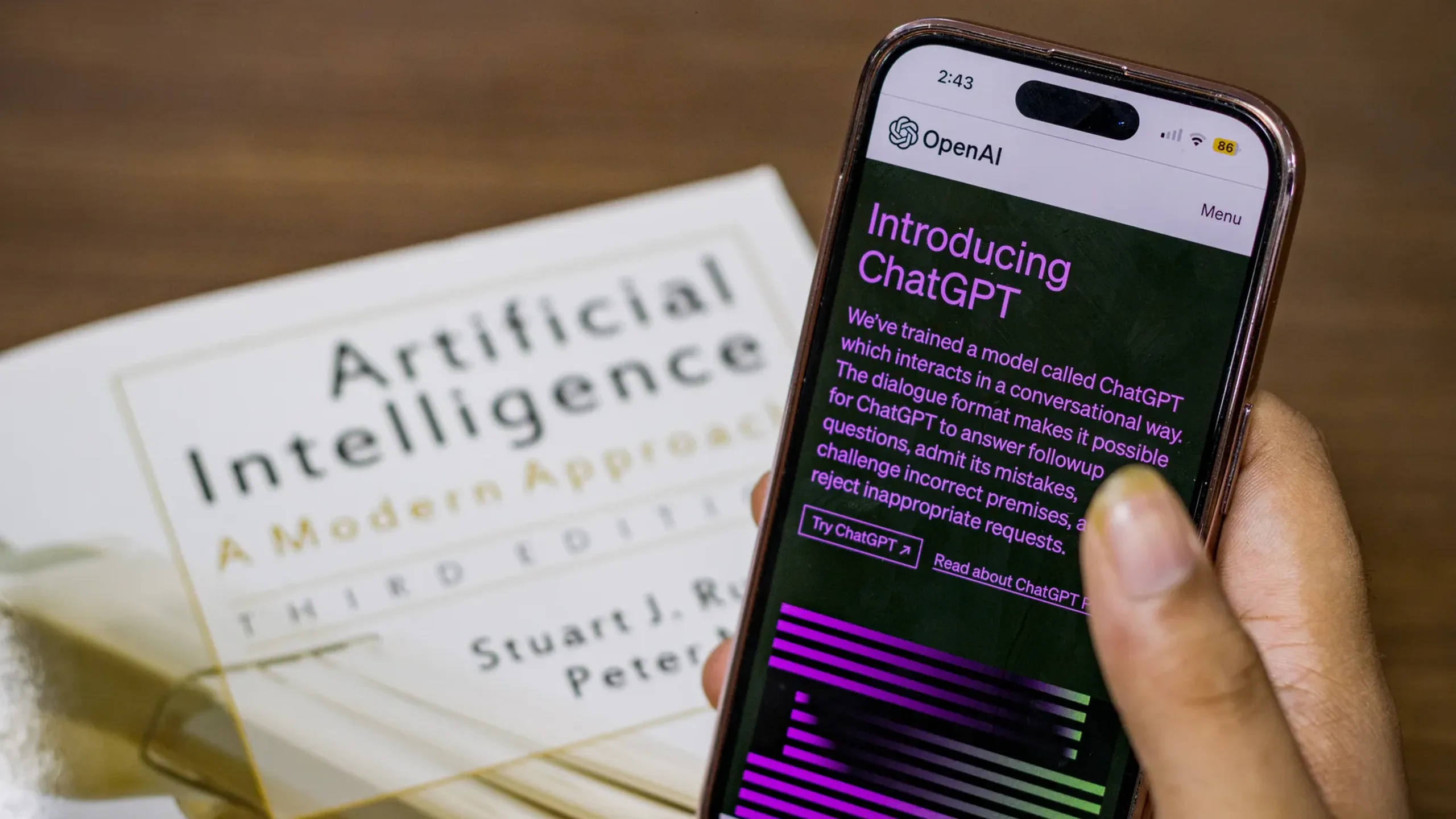
Amp extends AI agents beyond code with OpenAI models
Amp describes an agent workflow that reaches into planning, writing, design, voice interaction, and the coordination of specialist agents, not only code generation. Its setup assigns OpenAI models to demanding reasoning and real-time interaction while routing narrower tasks to subagents and connecting eligible ChatGPT subscriptions.
Apple Minions turns idle Macs into an inference overflow lane
Apple’s Minions research describes a pull-based system in which available Apple Silicon Macs claim suitable inference subtasks, while a server records ownership and a watchdog releases abandoned work. The reported design improves queue access by using existing machines, but it does not pool several Macs into one large accelerator or replace centralized GPU capacity.
SentinelOne reports malware analysis compressed to roughly eight hours
SentinelOne says an OpenAI Daybreak workflow can reduce a demanding malware investigation from four to six weeks of expert effort to about eight hours. The account describes model-assisted reverse engineering and iterative investigation, but frames the result as a company-reported case with consequential human supervision.