Thinking Mode — Model Thought Trace

Thinking Mode — Model Thought Trace

Original document

GPT Image 2 · en

Scene:
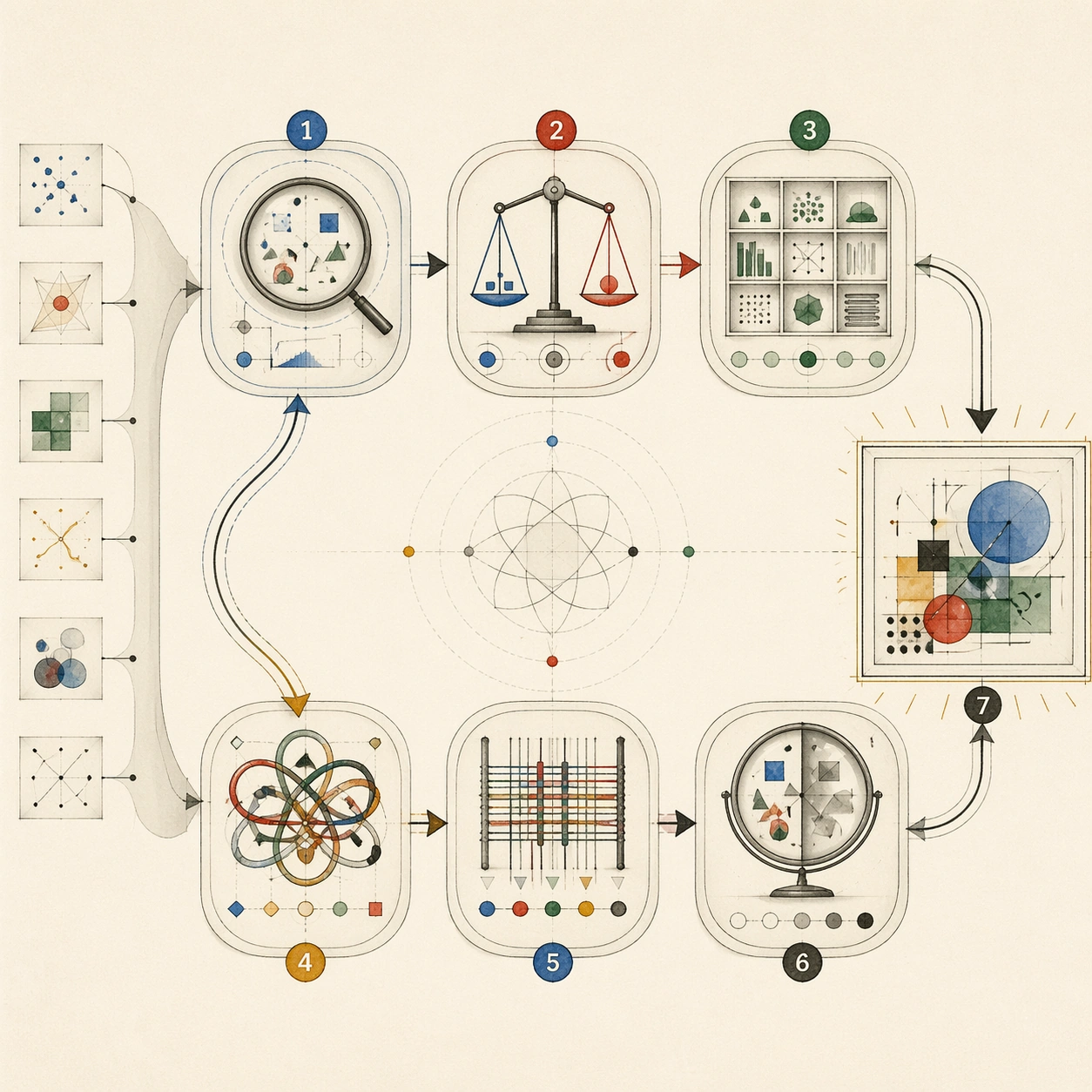
A square abstract editorial diagram on off-white paper, like a museum-quality print about cognition. The image uses clean modular panels, soft graphite lines, translucent vellum overlays, and a restrained palette of blue, red, green, amber, and black.

Subject:
A visible thought trace: seven rounded reasoning nodes connected by a looping path, with small evidence fragments entering from the left and a finished visual answer emerging on the right. Each node has a distinct metaphor: observation lens, comparison scales, memory shelf, contradiction knot, synthesis loom, critique mirror, and final composition frame. All marks inside nodes are abstract symbols, not readable text.

Important details:
The layout must be structured and easy to follow, showing step-by-step reasoning without exposing actual chain-of-thought words. Use arrows, layers, icons, and spatial grouping to imply process. The image should feel precise, calm, and intelligent, with enough visual complexity to reward close inspection while staying clean at thumbnail size.

Use case:
Independent Thinking Mode single image, demonstrating how a model's multi-step reasoning can be represented as a visual process diagram without literal text.

Constraints:
No readable text, no code, no real prompt snippets, no private chain-of-thought text, no logos, no watermark, no brain cliché, no sci-fi glow, no chaotic flowchart, preserve exact 1:1 aspect ratio.

How to use

  1. Copy the complete original prompt, including any parameters.
  2. Replace the subject, text and composition with your own requirements.
  3. Use a compatible external tool; check its current access conditions and review the result.

Before you start

  • Check whether a reference image is required. A compatible model label does not mean this example was generated with that model.
  • Keep names, figures and visible text accurate; results can vary between model versions.
More like this

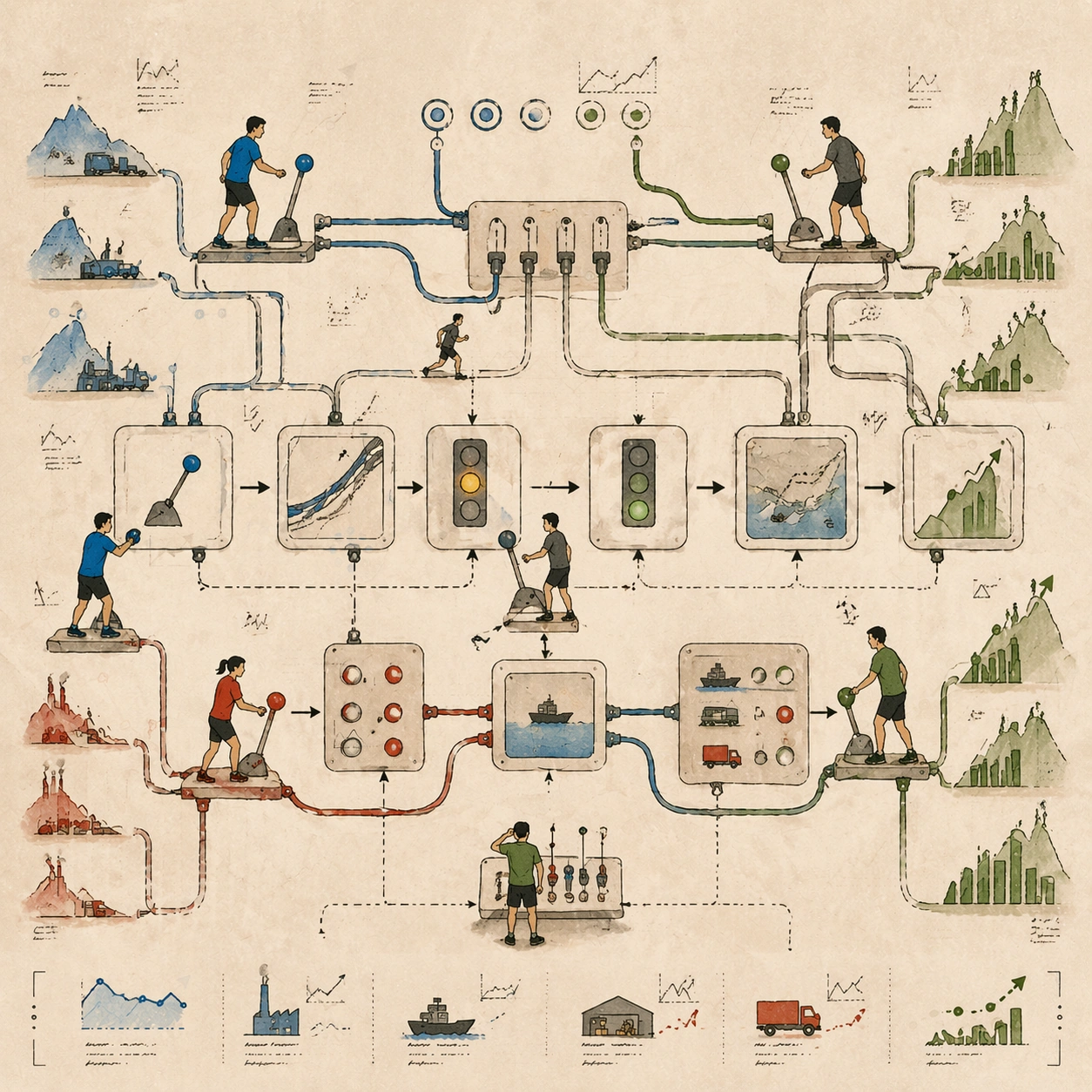
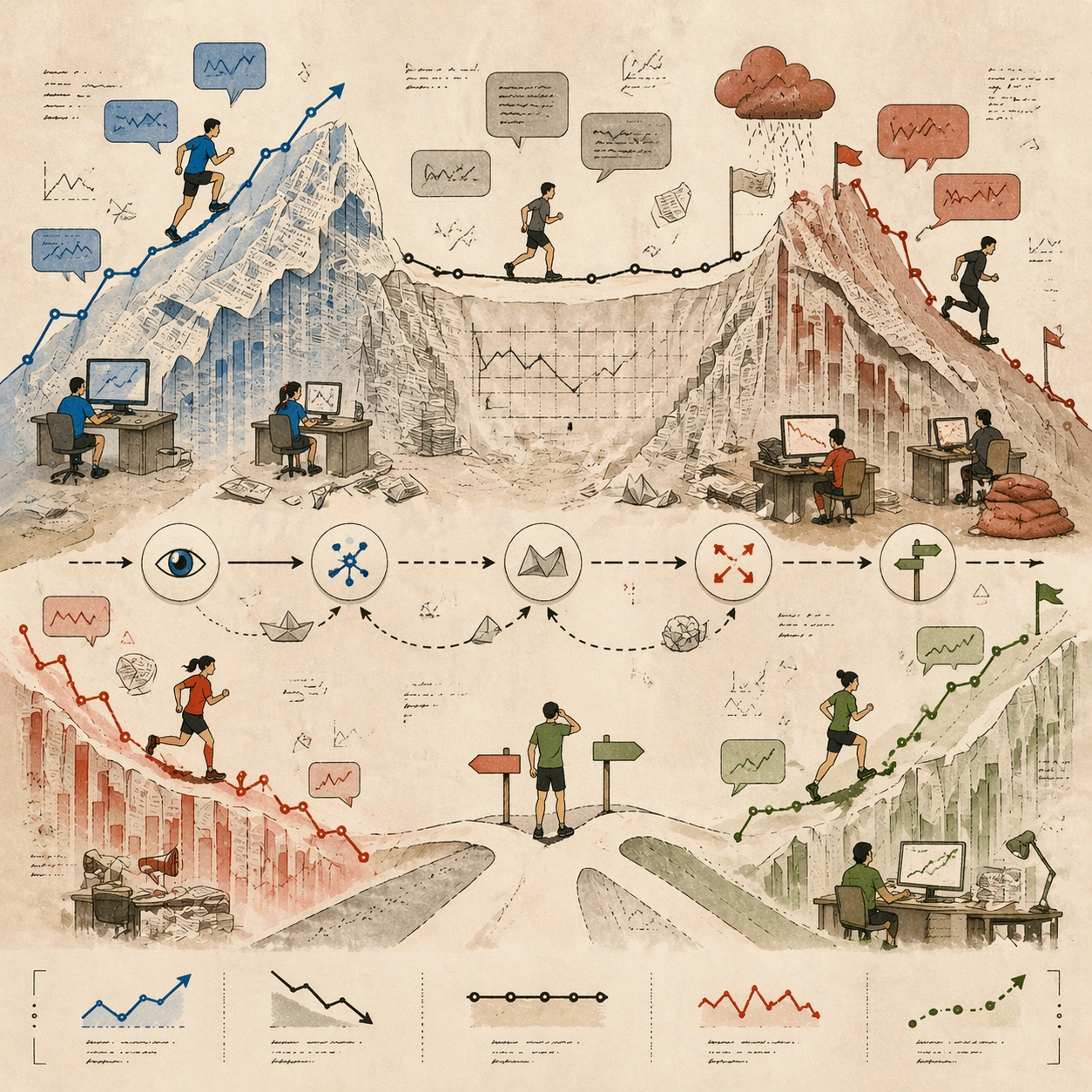
Thinking Mode — Reference Market Mountain
GPT Image 2en

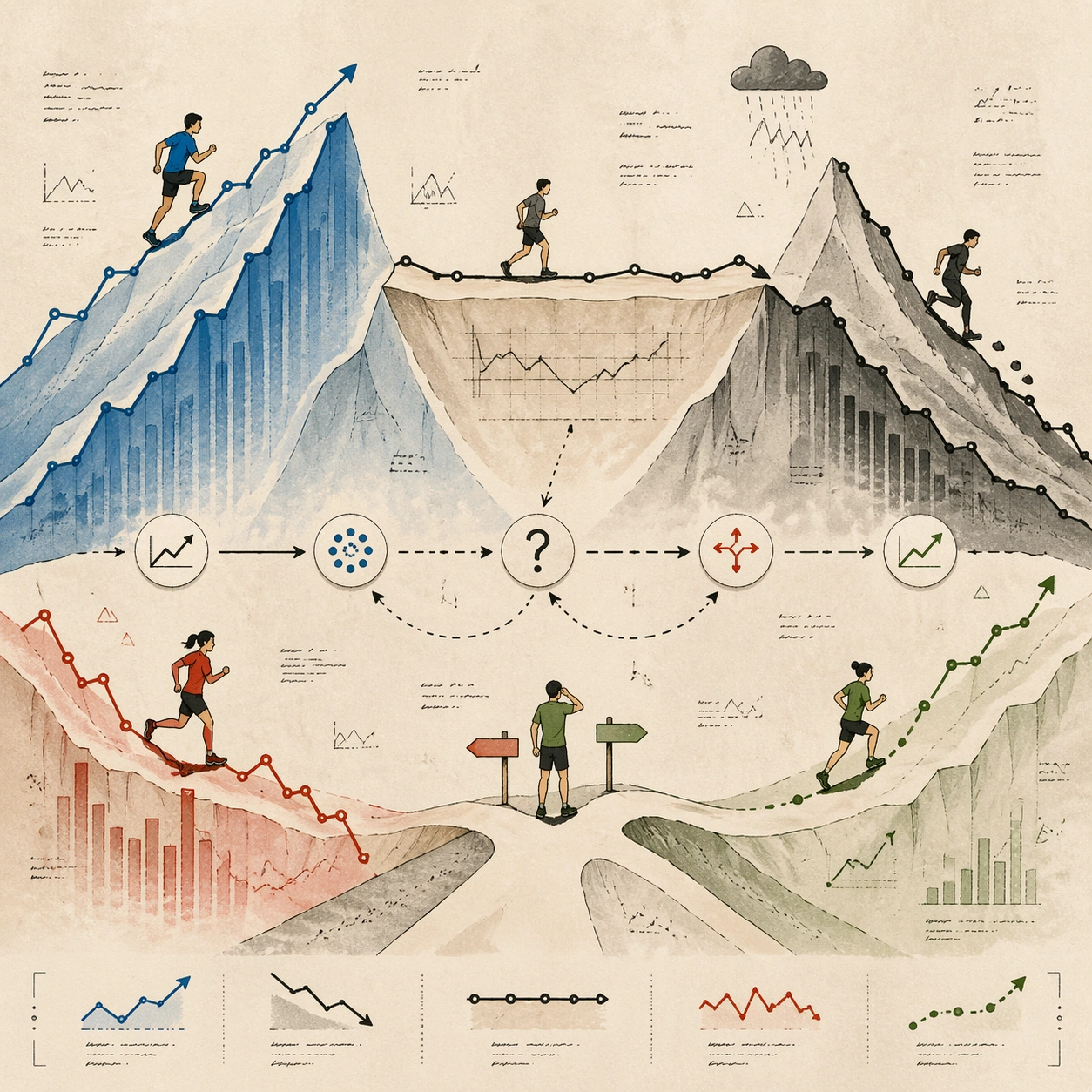
Scene: A square editorial illustration in a refined magazine style, viewed straight-on like a finished art board. The scene is a stylized mountain range made from layered trend lines, small chart paths, and paper-cut ridges. The background is warm off-white newsprint with subtle

Thinking Mode — Supply Chain Switchboard
GPT Image 2en

Scene: Same square editorial illustration style as the reference image: warm newsprint background, small characters, restrained colors, thin ink lines, quiet margins, and pseudo-handwritten notes. Keep the same visual grammar but change the reasoning metaphor. Subject: Turn the

Thinking Mode — Sentiment Newsroom
GPT Image 2en

Scene: Same square editorial art-board composition as the reference image, with warm newsprint texture, thin ink lines, muted colors, small runner characters, and tiny non-readable handwritten notes. Preserve the reference's calm visual hierarchy and chart-mountain grammar. Subj

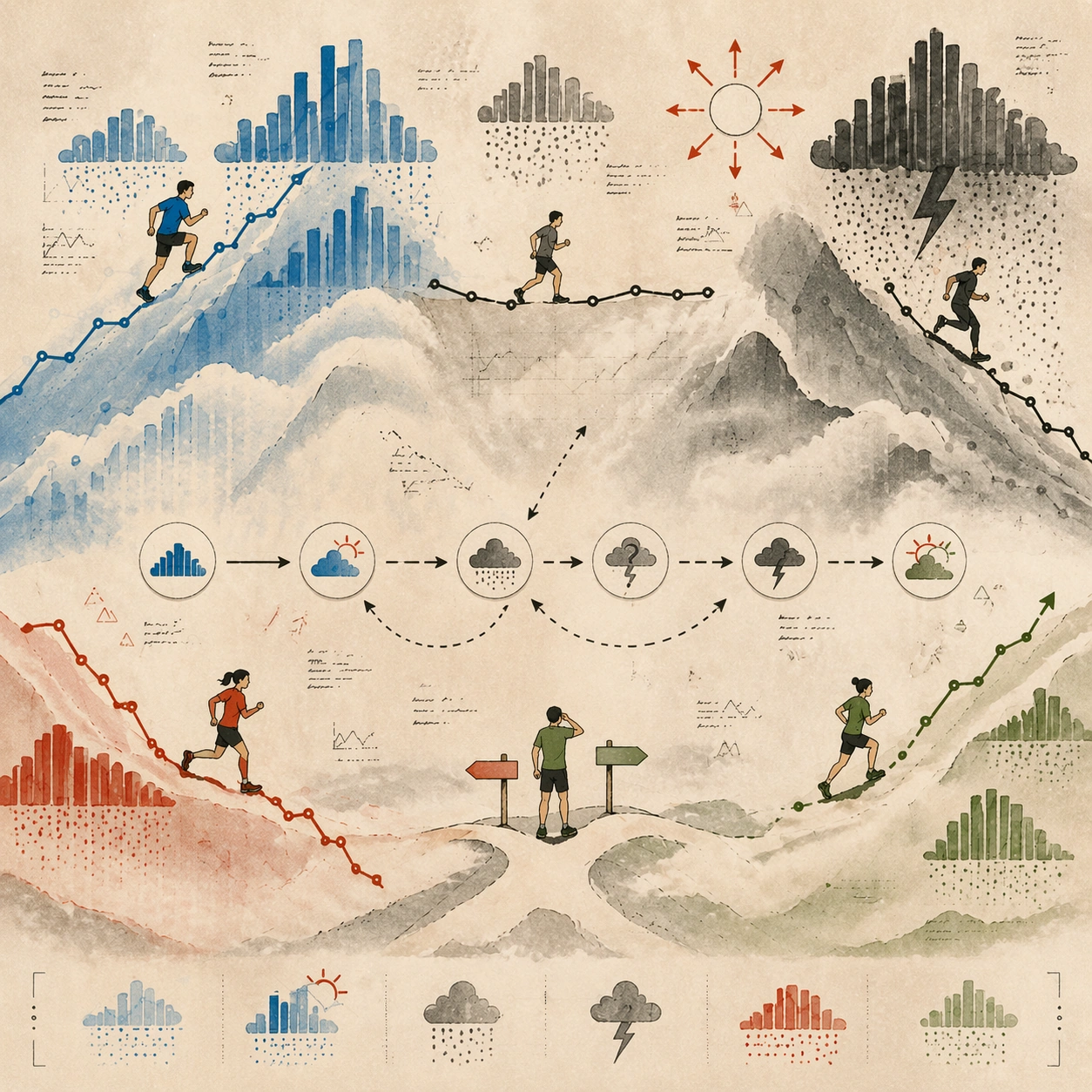
Thinking Mode — Earnings Weather Map
GPT Image 2en

Scene: Same square editorial art-board composition, warm newsprint background, muted palette, small runner characters, and hand-drawn annotation style as the reference image. Preserve the reference image's chart-mountain language and visual hierarchy. Subject: Transform the mark

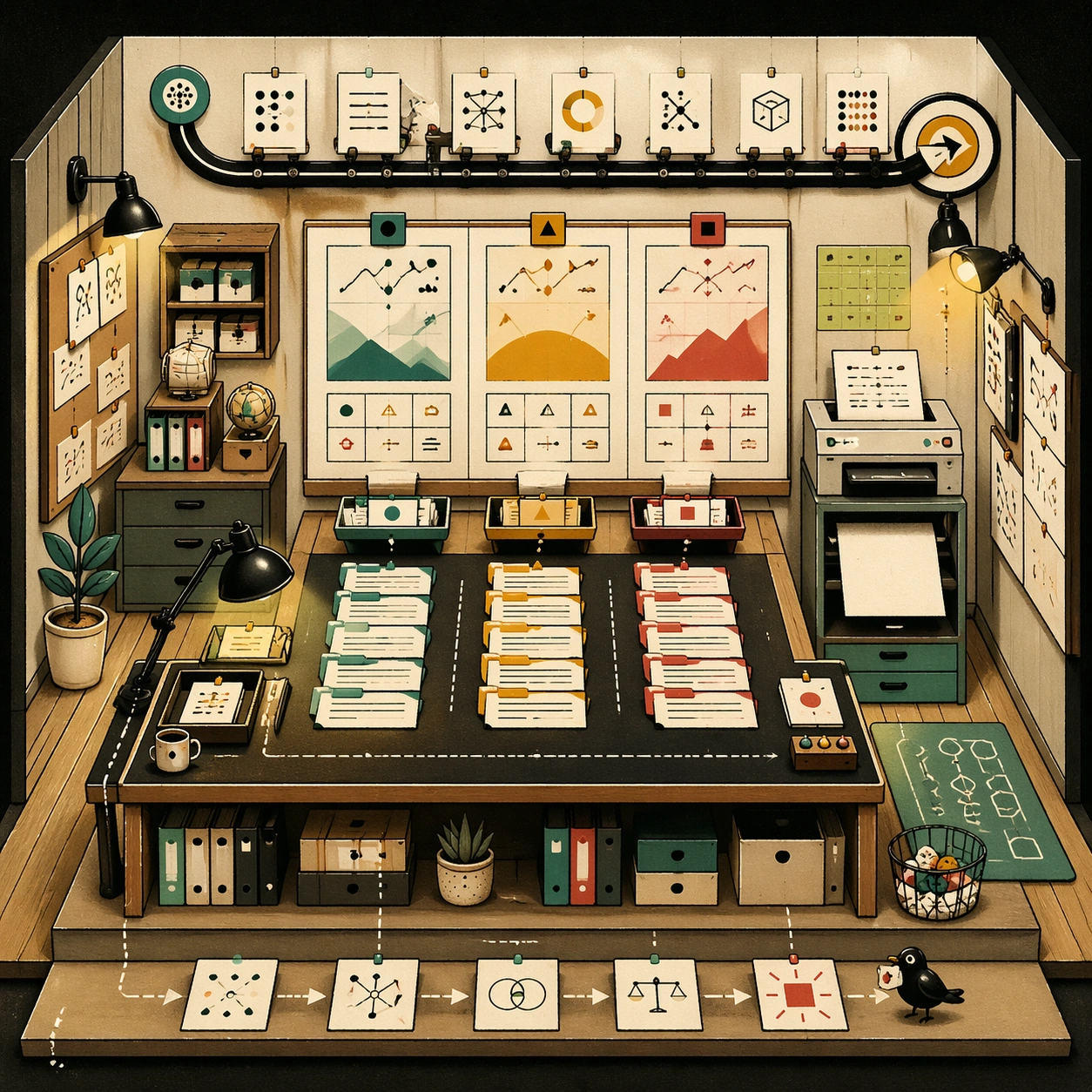
Thinking Mode — Editorial Data Room
GPT Image 2en

Scene: A square cutaway editorial illustration of a compact data newsroom, seen from a slightly elevated front angle. The room is built like a miniature stage set with tidy desks, wall boards, pinned cards, chart-like murals, and warm overhead lamps. The style is sophisticated ma

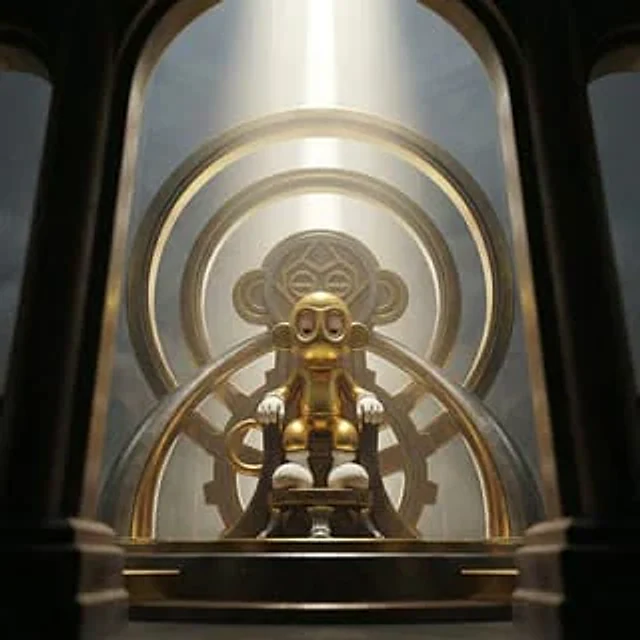
Dominance portrait generation prompt (Gemini - Thinking mode)
Nano Banana Proen

Create a dominance portrait of the uploaded reference character seated on a divine throne that feels engineered from their own world and design language. The camera observes the ruler from a partially obstructed viewpoint, as if the viewer is looking through the monumental struc