Original document
GPT Image 2 · en
Scene:
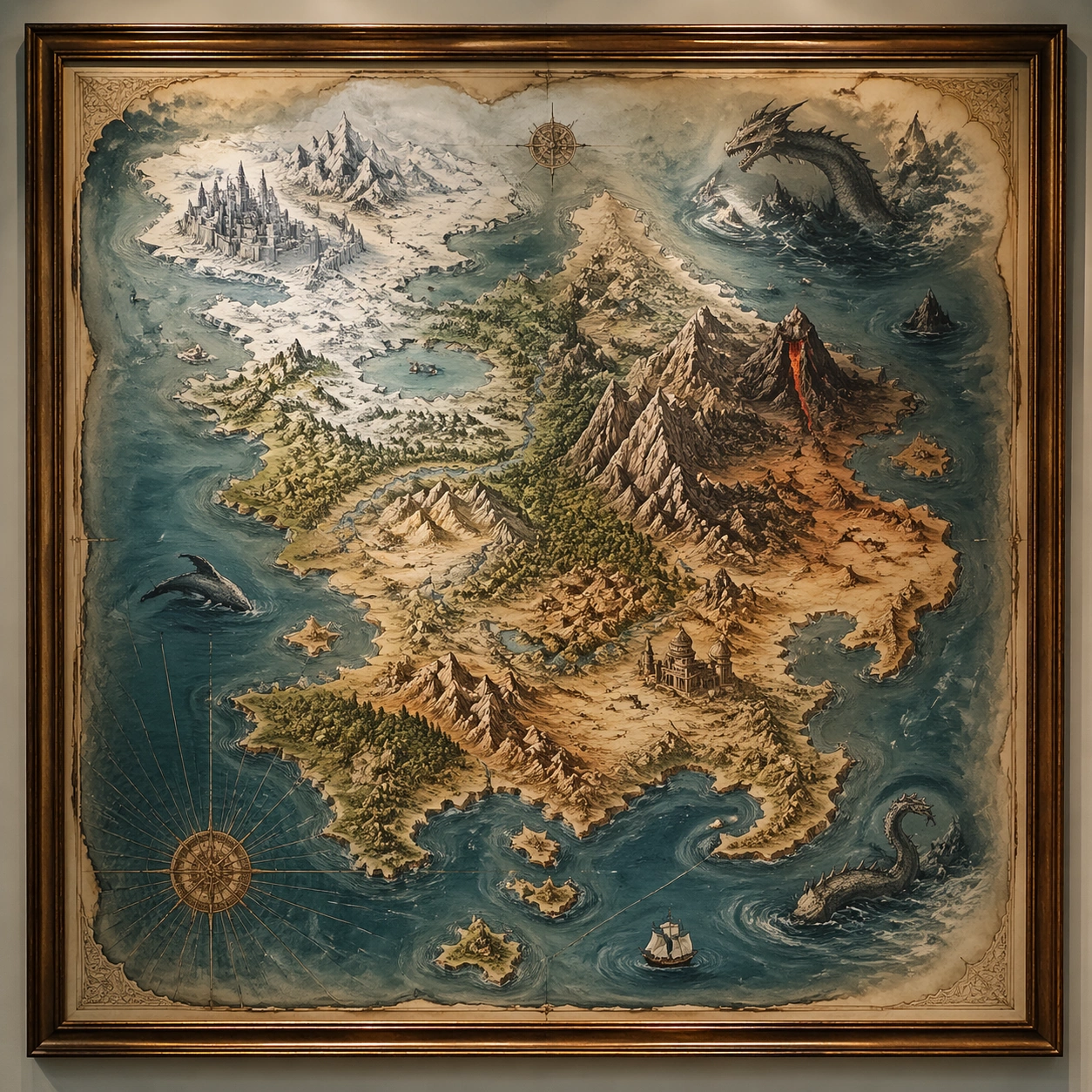
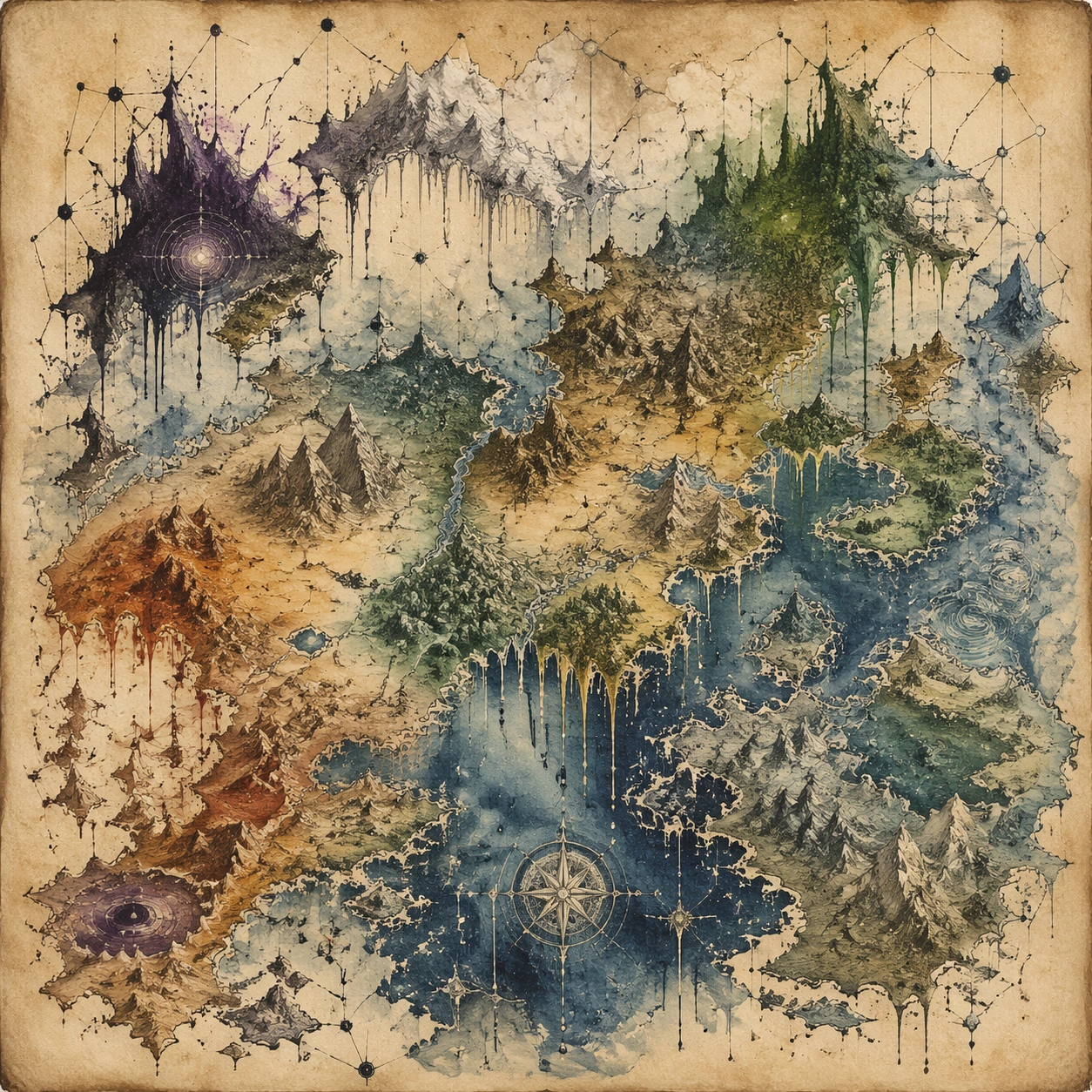
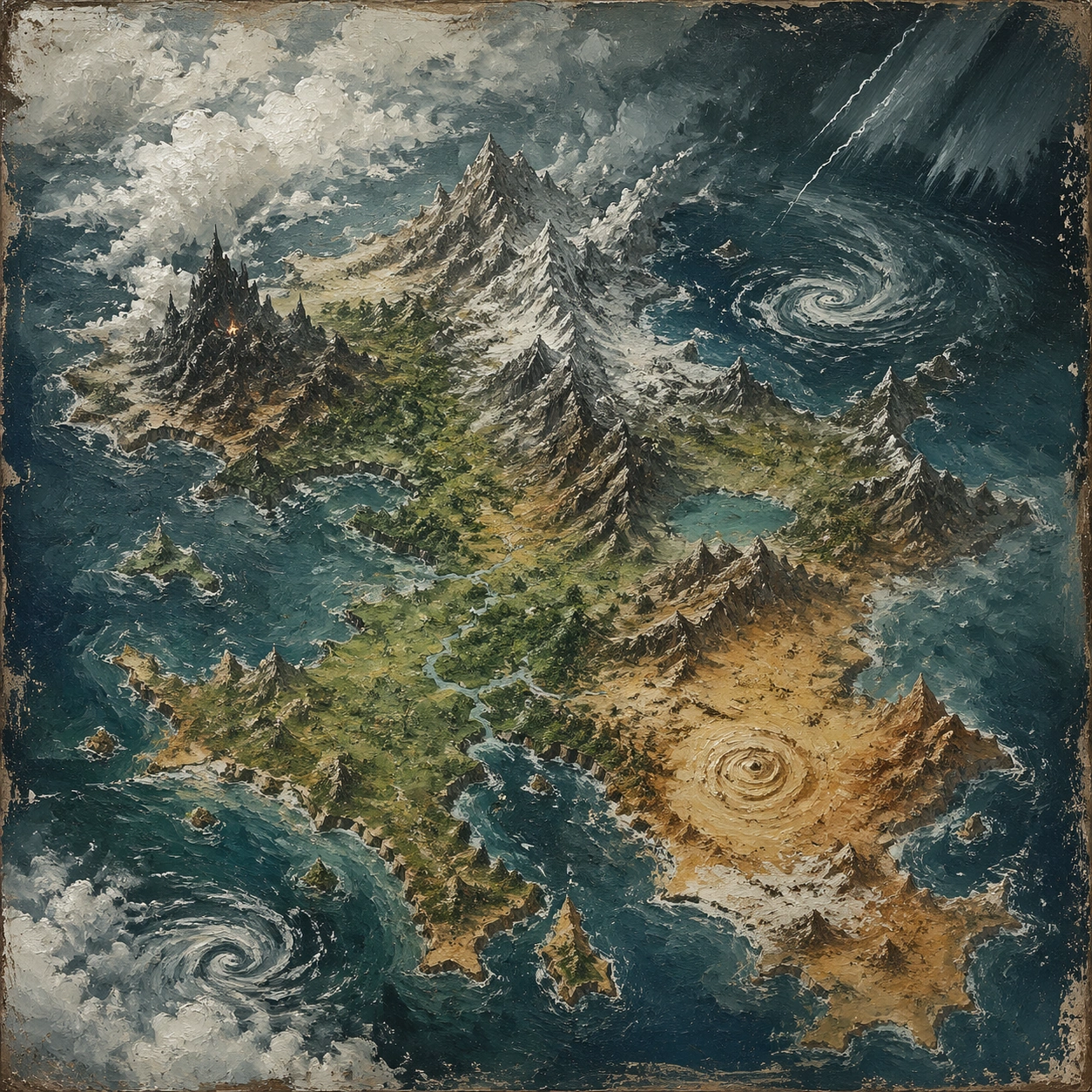
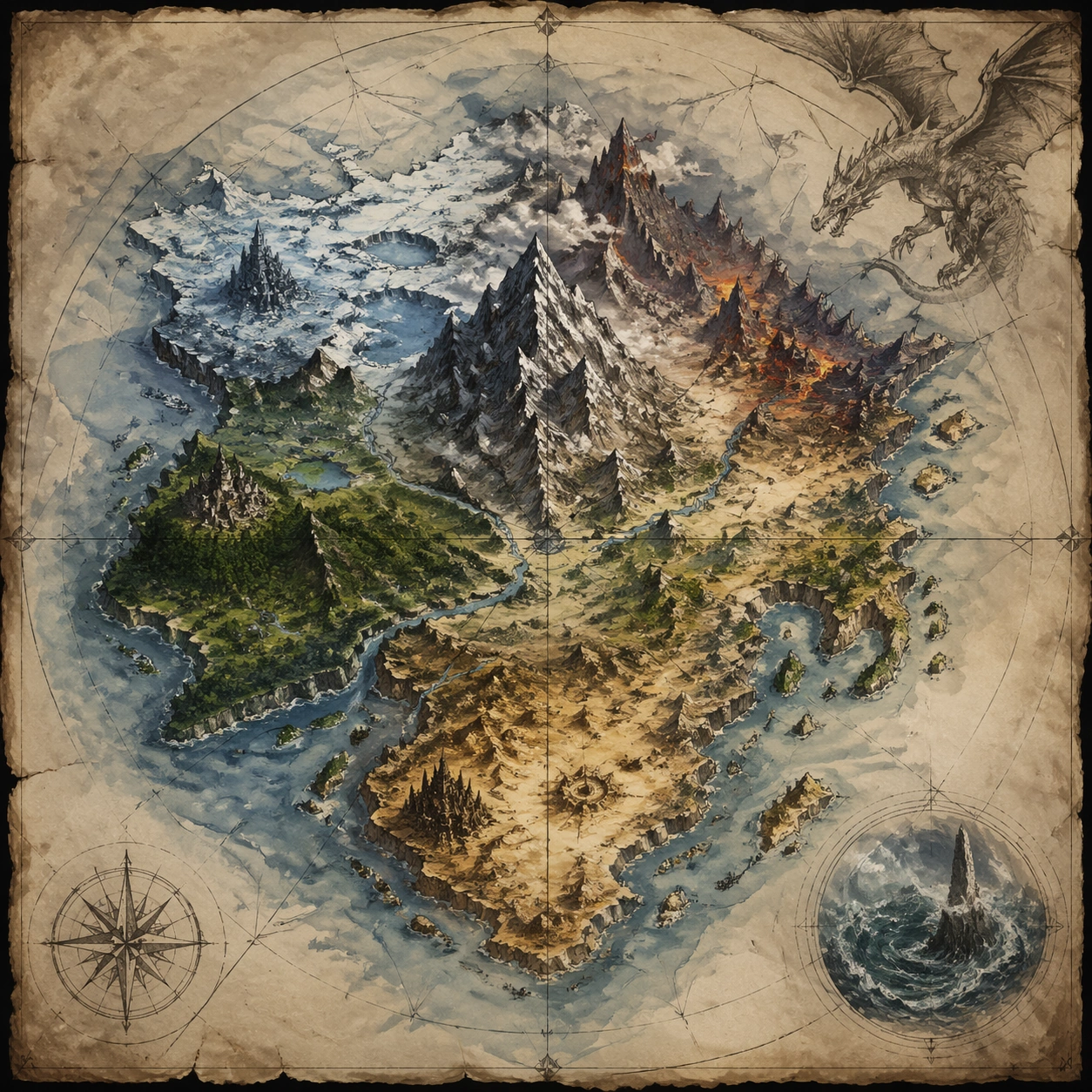
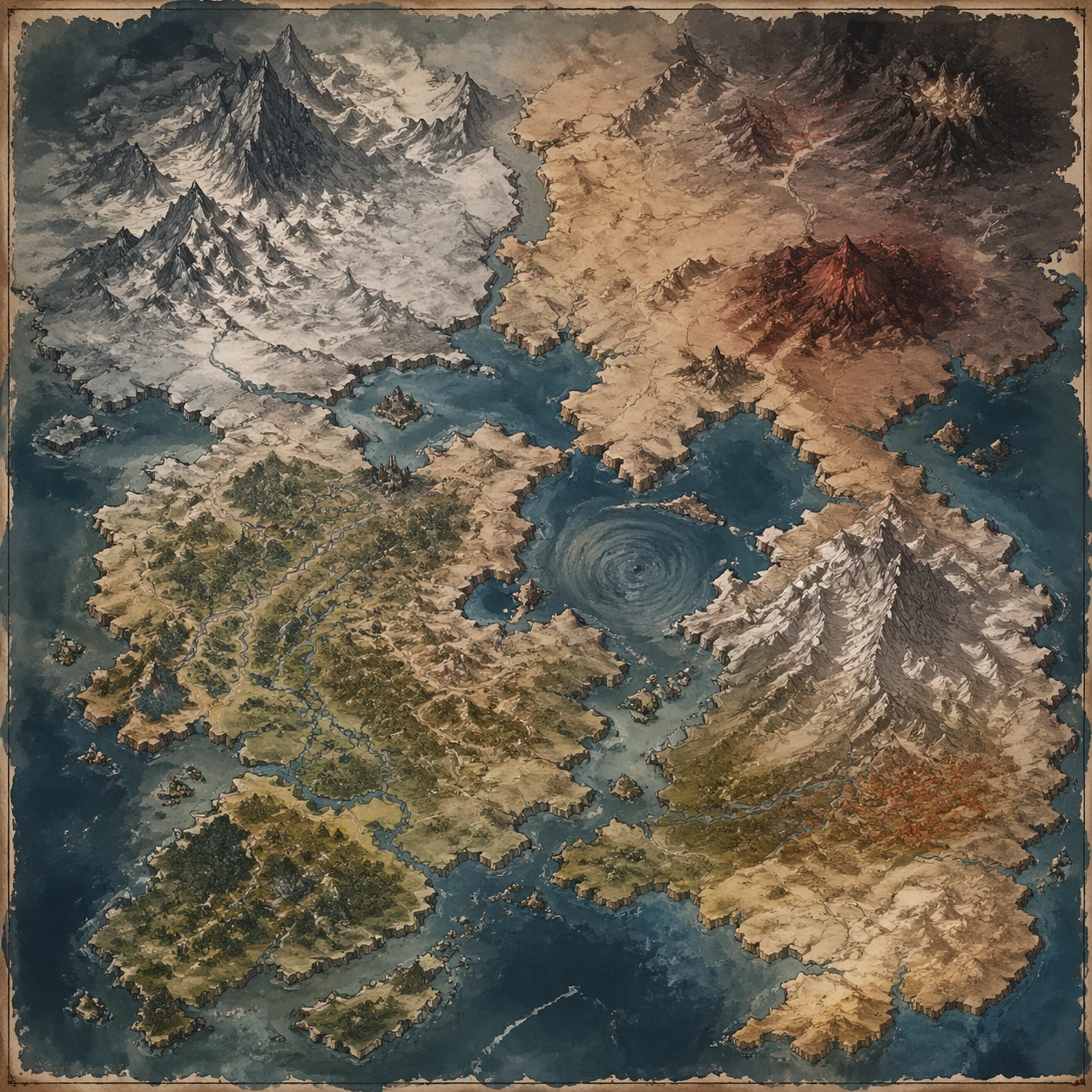
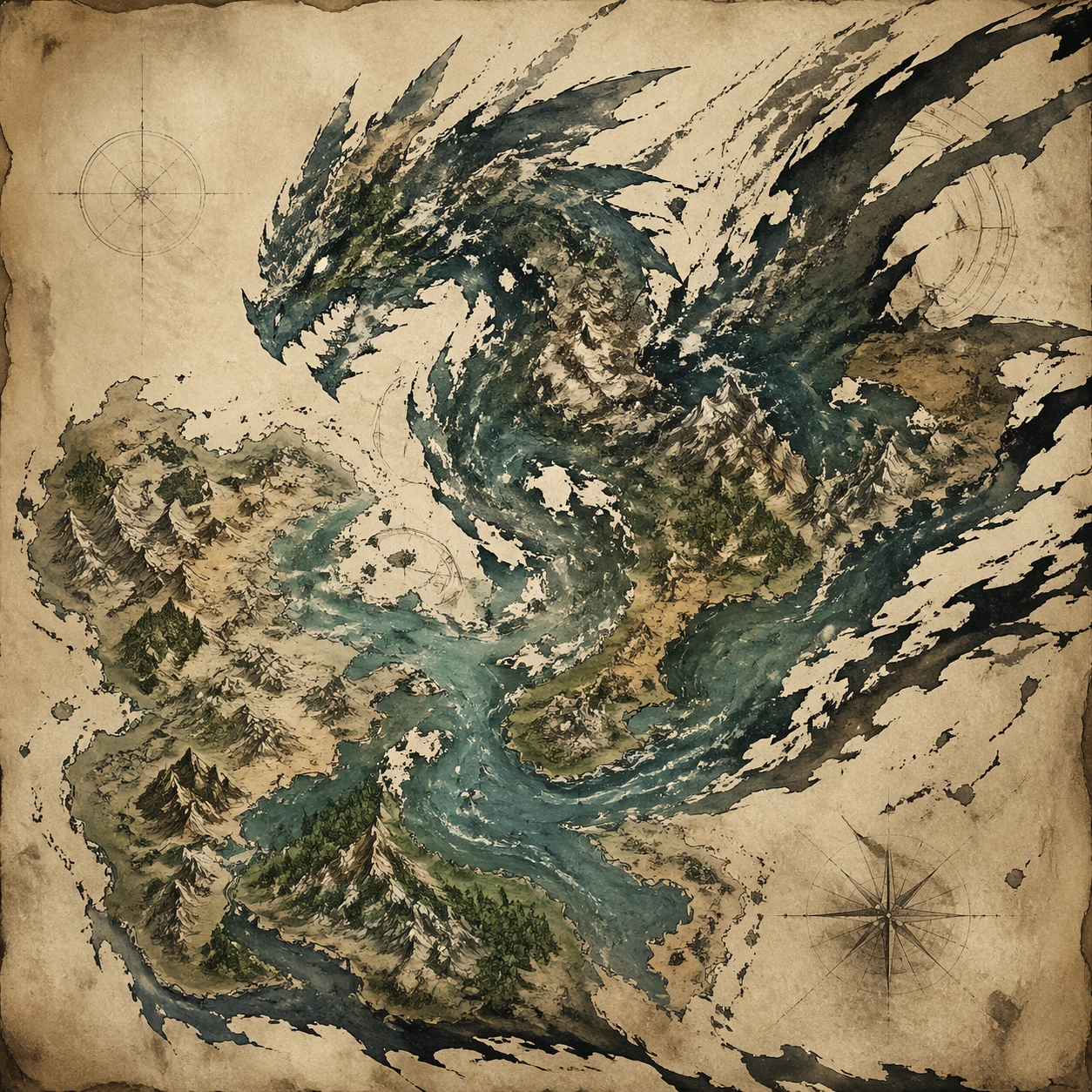
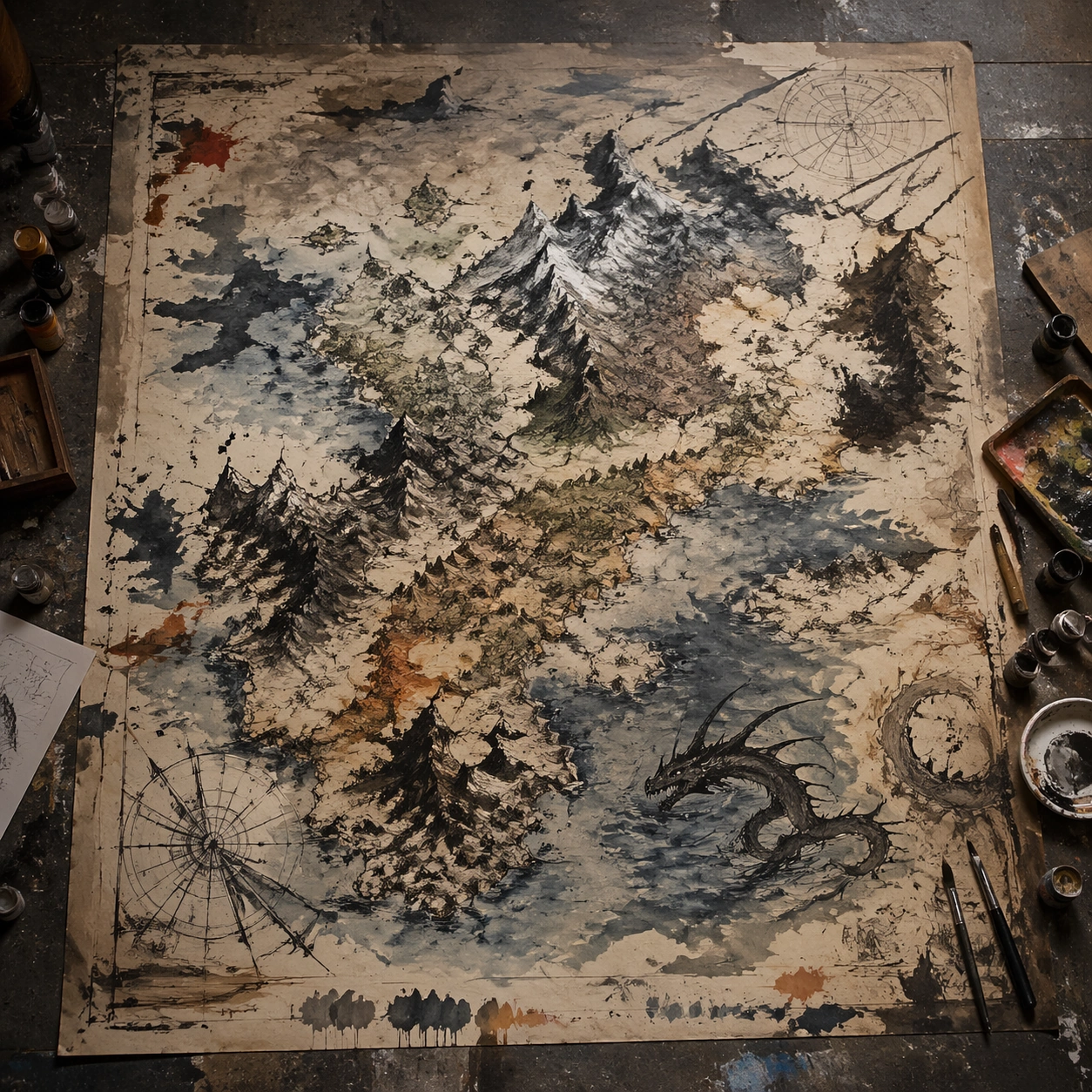
A square, gallery-ready composition with painterly surfaces, controlled negative space, and a deliberate fine-art presentation. Build the frame around evidence of process, splatter, drag, and layered correction without becoming documentary clutter. Keep the lighting, camera distance, and spatial organization tuned for a high-signal research image rather than a casual snapshot. The image belongs to the Fantasy Handdrawn Map theme and should feel immediately legible as a prompt atlas theme for fantasy handdrawn map, testing structured-layout, photorealism, world-knowledge, reasoning-composition with gpt image 2..

Subject:
Center the study on evidence of process, splatter, drag, and layered correction without becoming documentary clutter. Translate the theme into a concrete visual statement instead of an abstract mood board: the viewer should understand what kind of image this is, what is being tested, and why the composition is difficult. Use the slug idea of fantasy handdrawn map as a literal guide for subject matter, materials, and staging. If helpful, borrow the broad visual cues suggested by Here Be Dragons, but keep the result original and specific to this study.

Important details:
Focus on authored mark-making, hierarchy, rhythm, and a visual idea that reads immediately before the viewer inspects the brushwork. Preserve a disciplined square composition, clear focal hierarchy, and enough secondary information to make the image feel complete rather than underspecified. The image should look polished, novel, and exhibition-ready, with topic-specific credibility coming from the way surfaces, structure, and visual language reinforce Fantasy Handdrawn Map. Avoid generic filler elements that do not serve the main concept.

Use case:
Fantasy Handdrawn Map single study 5/8, testing structured-layout, photorealism, world-knowledge, reasoning-composition through the studio floor afterimage variation.

Constraints:
No readable text, no watermark, no logos, preserve exact 1:1 aspect ratio, no direct copy of a known artwork, no comic speech bubbles, no accidental typography, no low-effort doodle energy, no muddy center, no fake museum label.
How to use
- Copy the complete original prompt, including any parameters.
- Replace the subject, text and composition with your own requirements.
- Use a compatible external tool; check its current access conditions and review the result.
Before you start
- Check whether a reference image is required. A compatible model label does not mean this example was generated with that model.
- Keep names, figures and visible text accurate; results can vary between model versions.