Original document
GPT Image 2 · en
Scene:
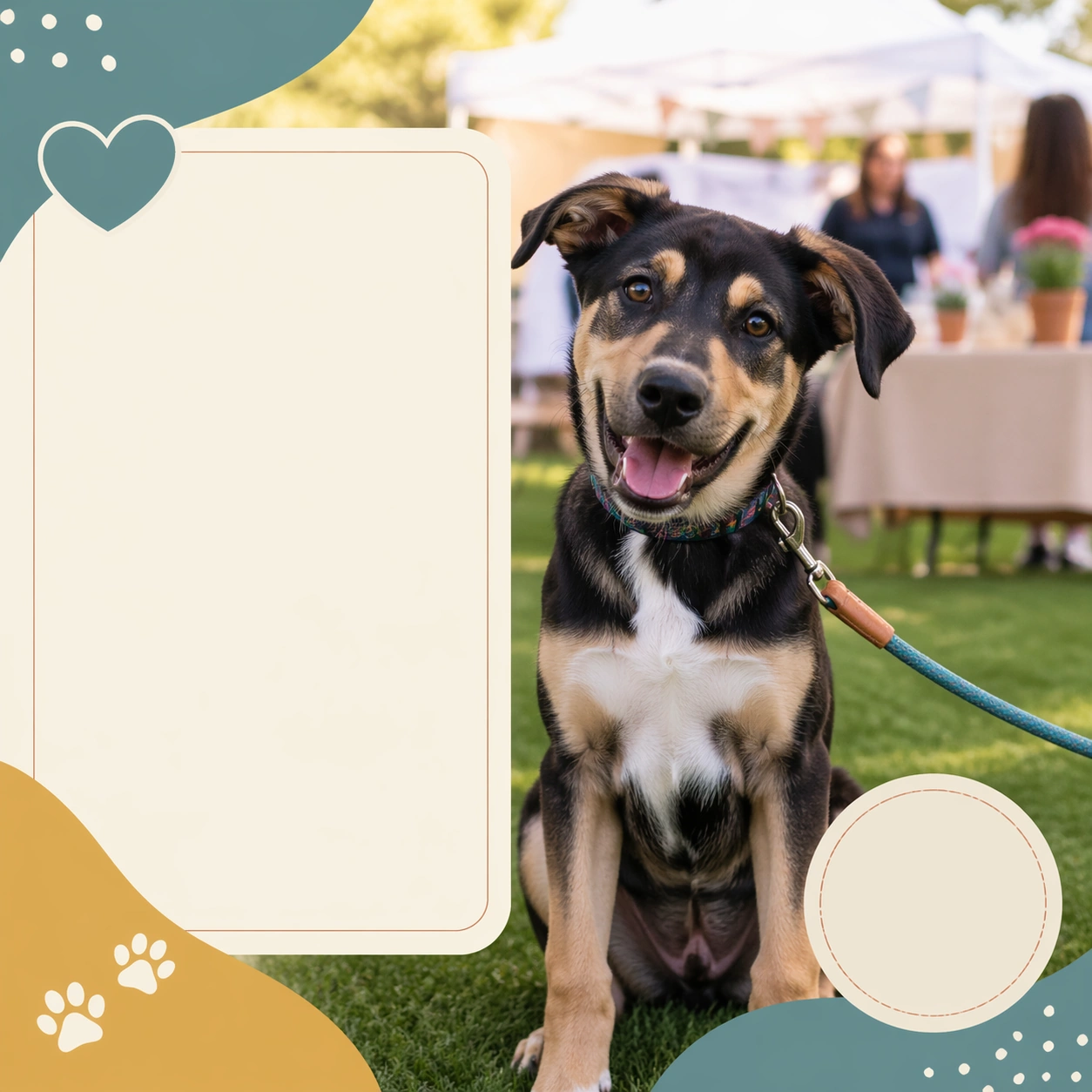
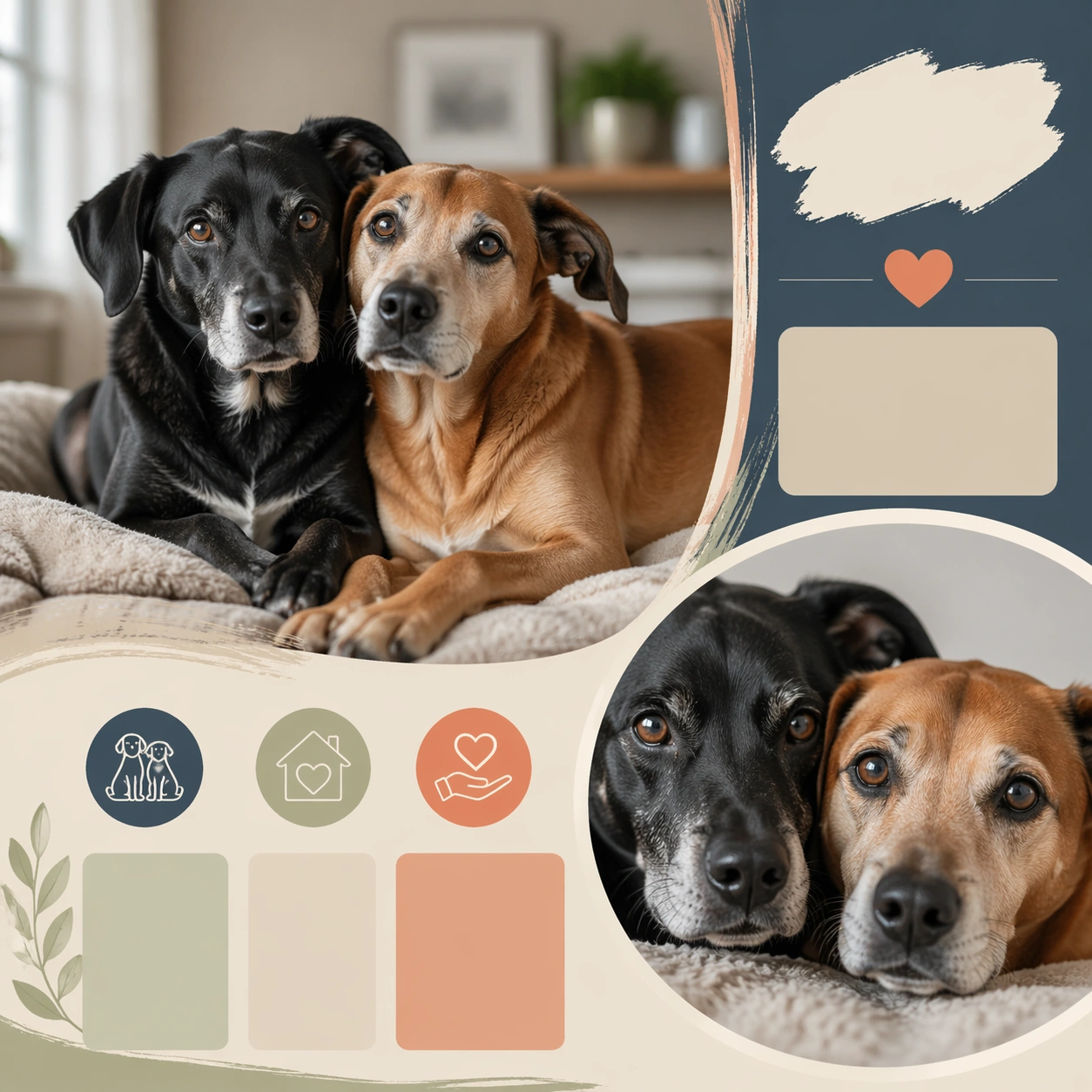
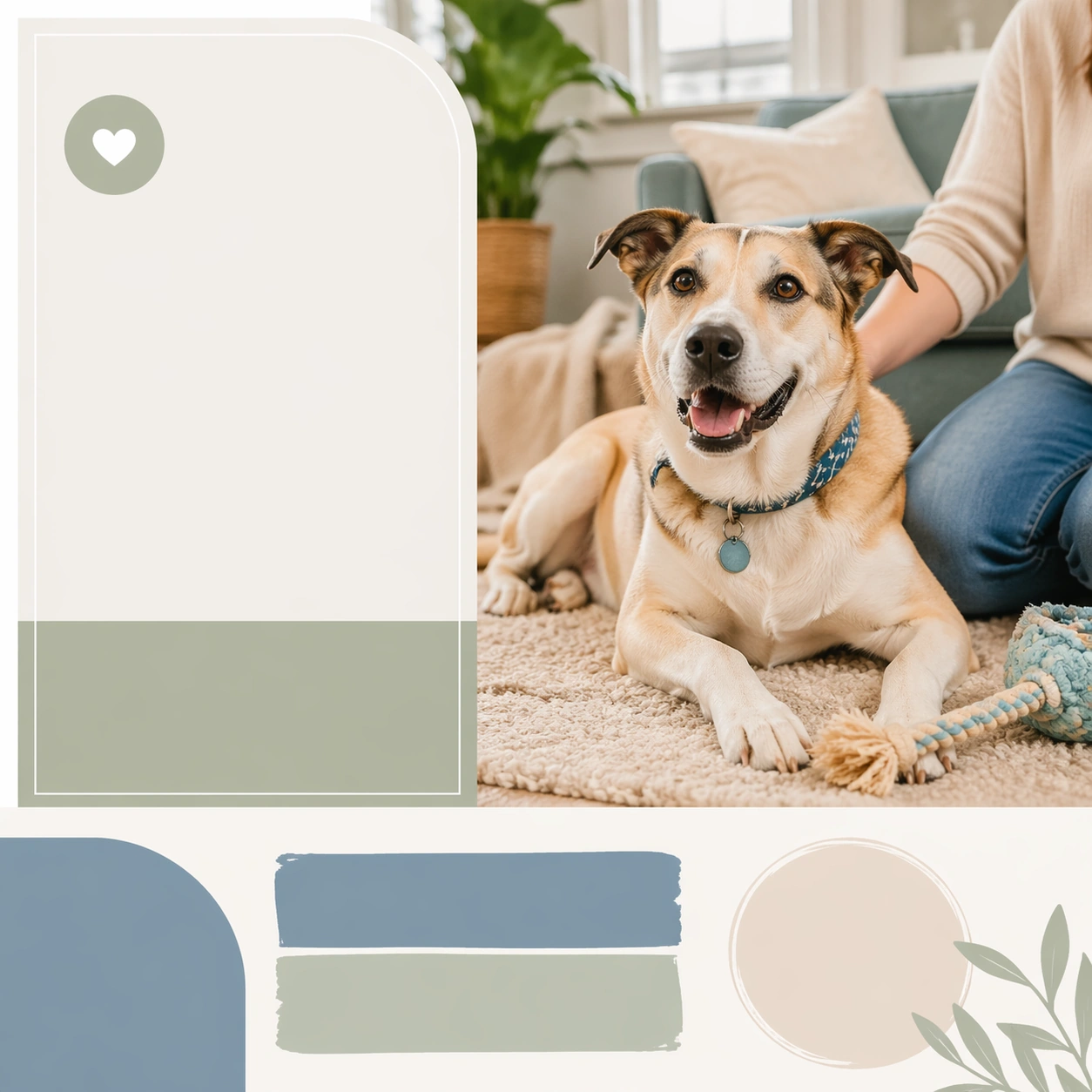
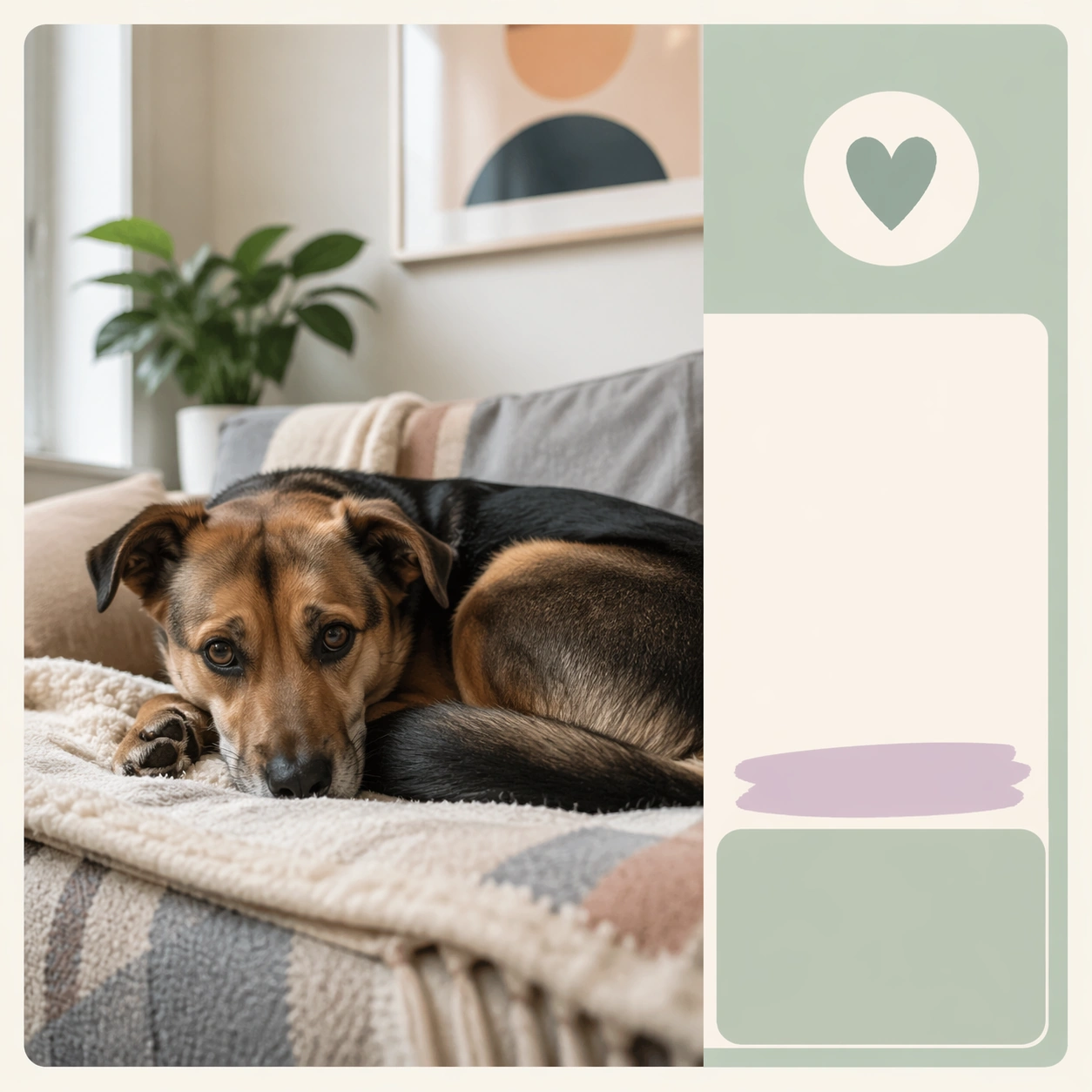
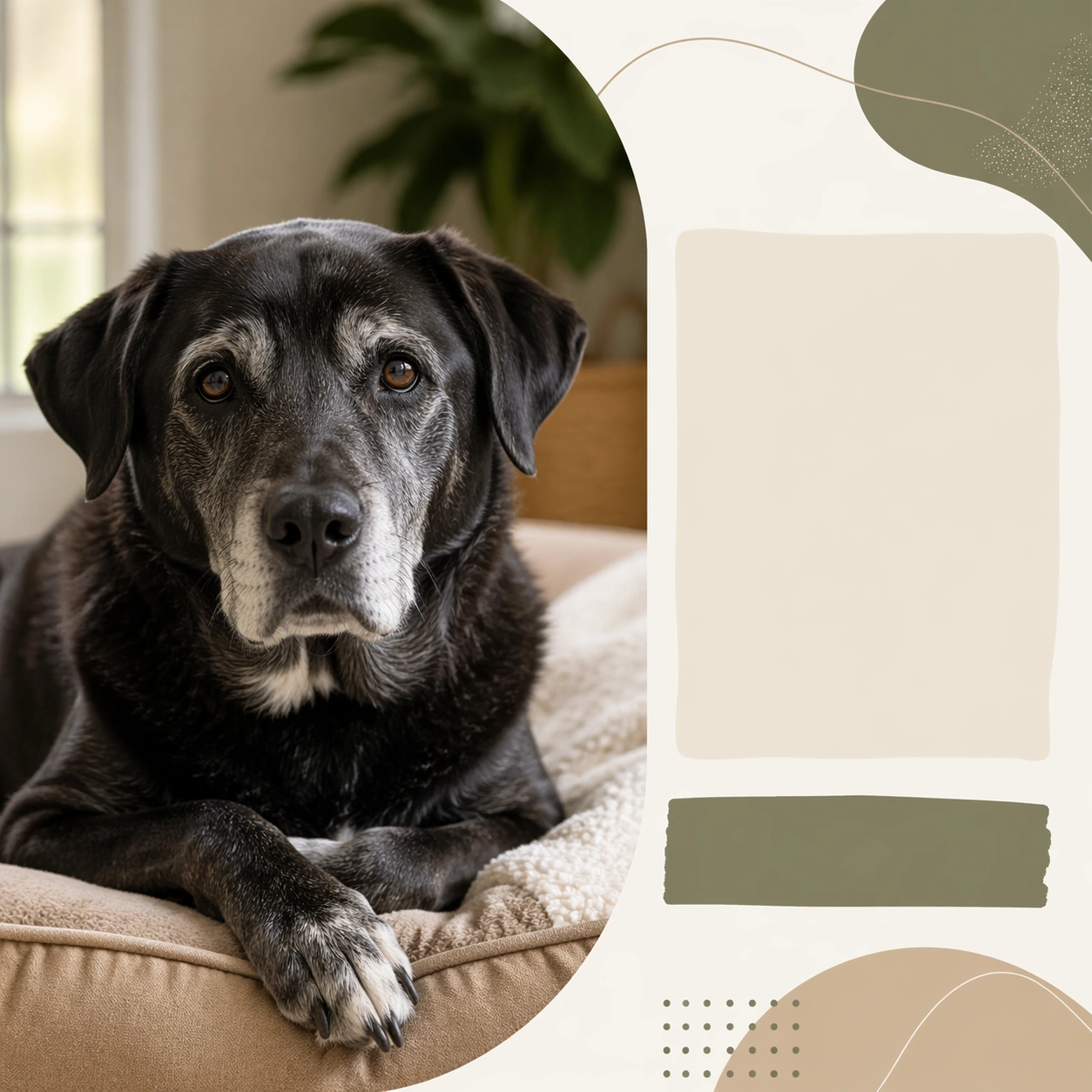
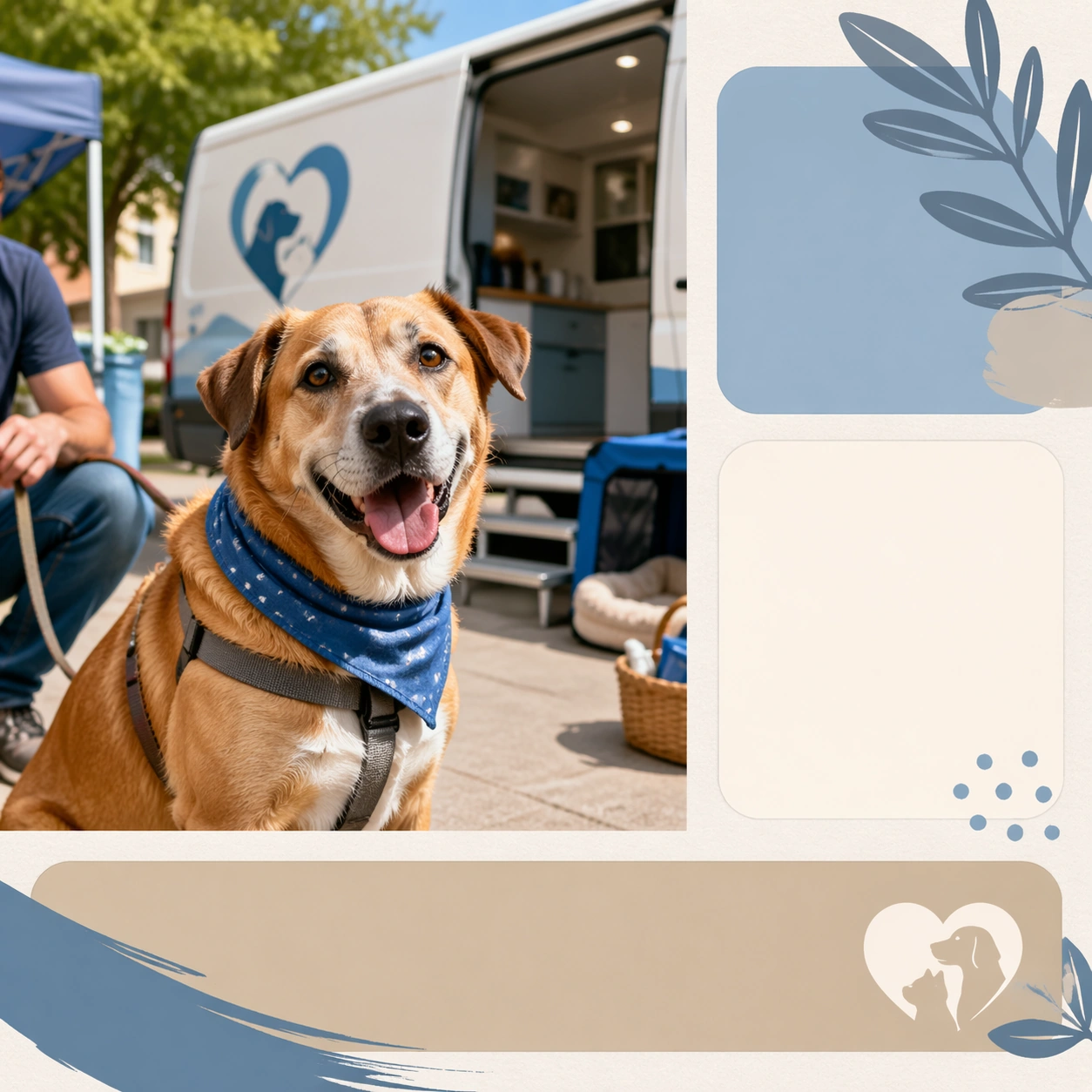
A square adoption or rescue awareness visual designed for nonprofits, shelters, and community campaigns. Combine documentary style pet portraiture with organized communication layout, placeholder information zones, and enough polish to work across posters, social posts, event promotion, or donor materials. The frame should invite empathy and action without relying on guilt, shock, or clutter. Keep the visual system warm, dignified, and highly reusable. Stage a tidy street or community curbside scene with a rescue vehicle silhouette, portable setup cues, and structured public information blocks.

Subject:
Focus on one rescue or adoption story cue: hopeful portrait, foster care, bonded pair, senior pet dignity, volunteer support, event outreach, or successful home placement. Animals must remain central and treated with respect. Human presence can appear when it reinforces care or belonging, but the image should never become generic family advertising. The emotional tone should be humane, honest, and forward looking. Feature one rescue pet in the foreground with the mobile support context clearly visible but visually secondary.

Important details:
Use clean nonprofit design signals such as modular card framing, gentle color blocks, bulletin space, and social-native hierarchy without readable text. Shelter environments should appear tidy and humane, not bleak. Show resilience, companionship, and possibility. The result should feel immediately useful for a real rescue team building an awareness kit, volunteer pack, event series, or donation appeal with credible imagery. The board should feel operational, civic, and hopeful, suitable for awareness campaigns, volunteer recruitment, or public education.

Use case:
Adoption and Rescue Awareness Kit single study 9/9, mobile rescue van awareness for a commercially reusable prompt atlas example.

Constraints:
No readable text, no watermark, no logos, preserve exact 1:1 aspect ratio, no trauma sensationalism, no chain fence misery clichés, no readable slogans, no disaster exploitation, no cluttered shelter chaos, no pity pose manipulation, no emergency siren drama, no disaster scene backdrop, no readable vehicle branding.
How to use
- Copy the complete original prompt, including any parameters.
- Replace the subject, text and composition with your own requirements.
- Use a compatible external tool; check its current access conditions and review the result.
Before you start
- Check whether a reference image is required. A compatible model label does not mean this example was generated with that model.
- Keep names, figures and visible text accurate; results can vary between model versions.