Original document
GPT Image 2 · en
Scene:
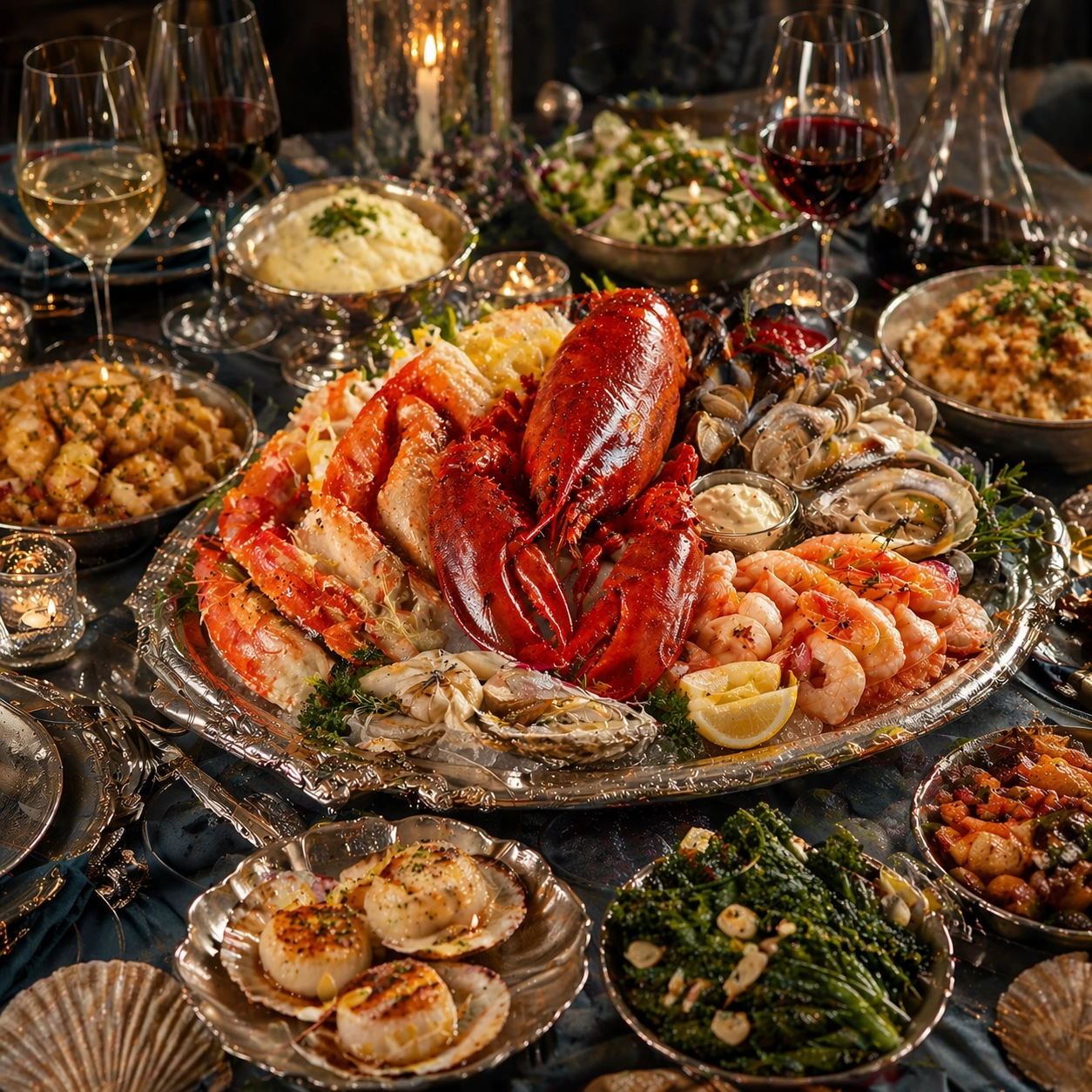
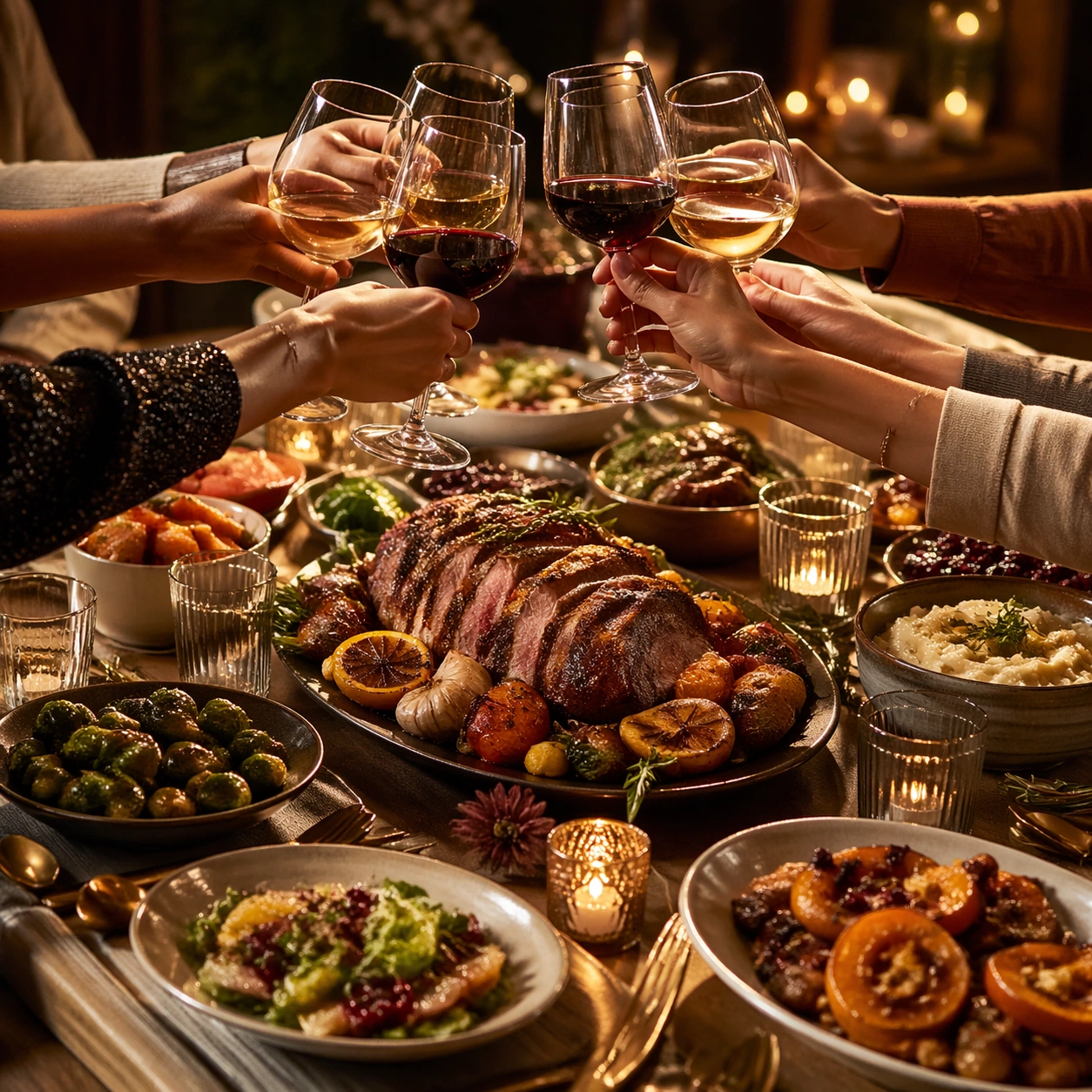
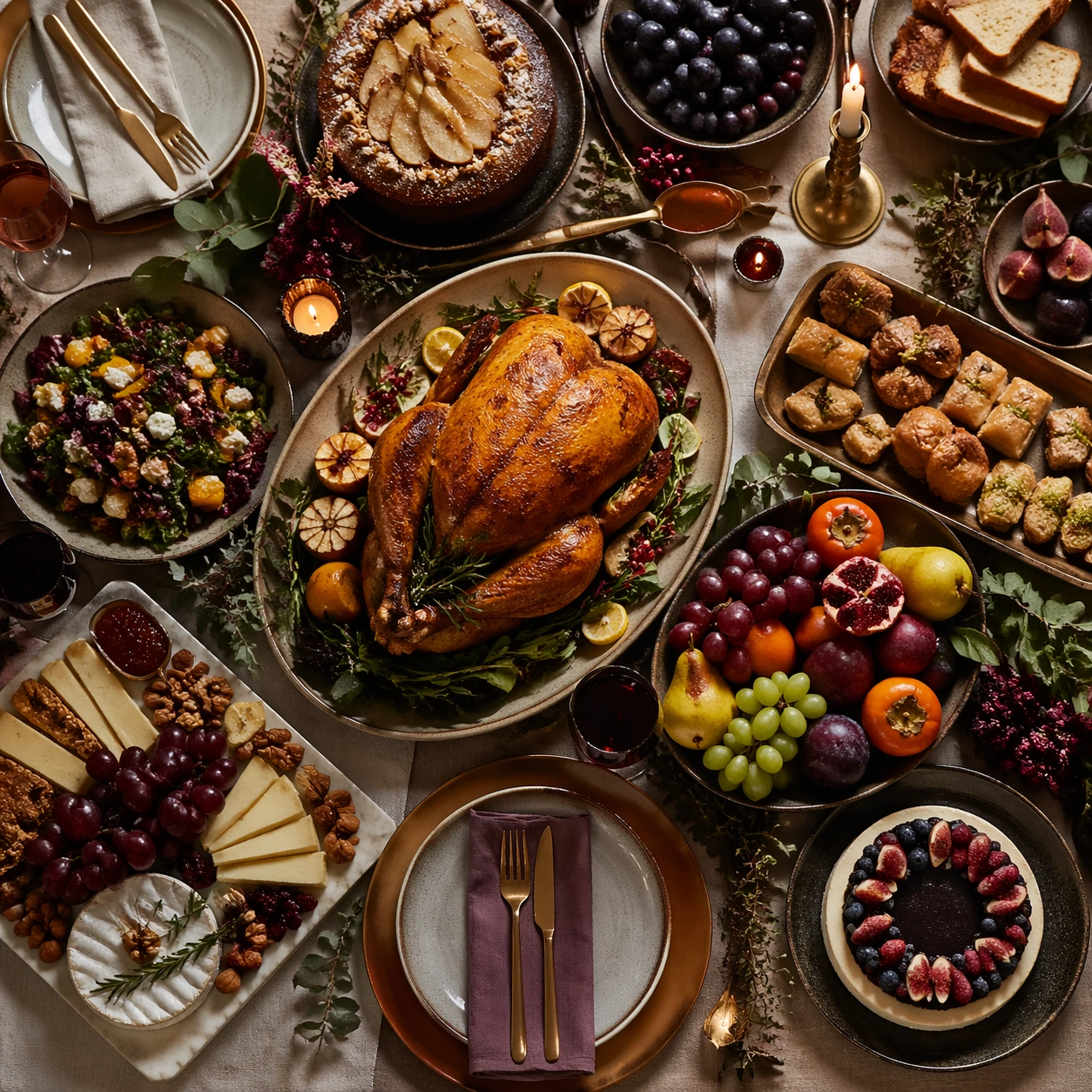
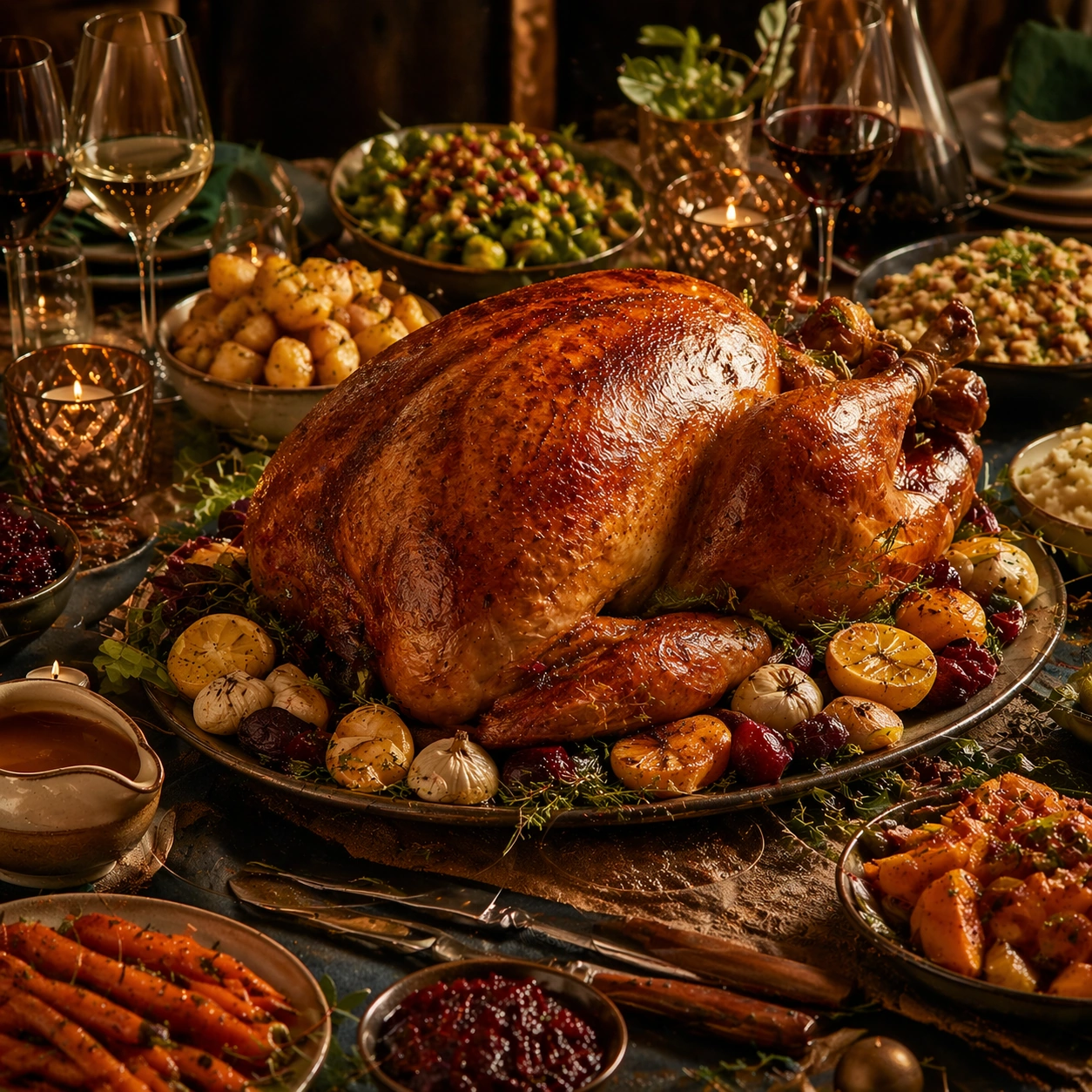
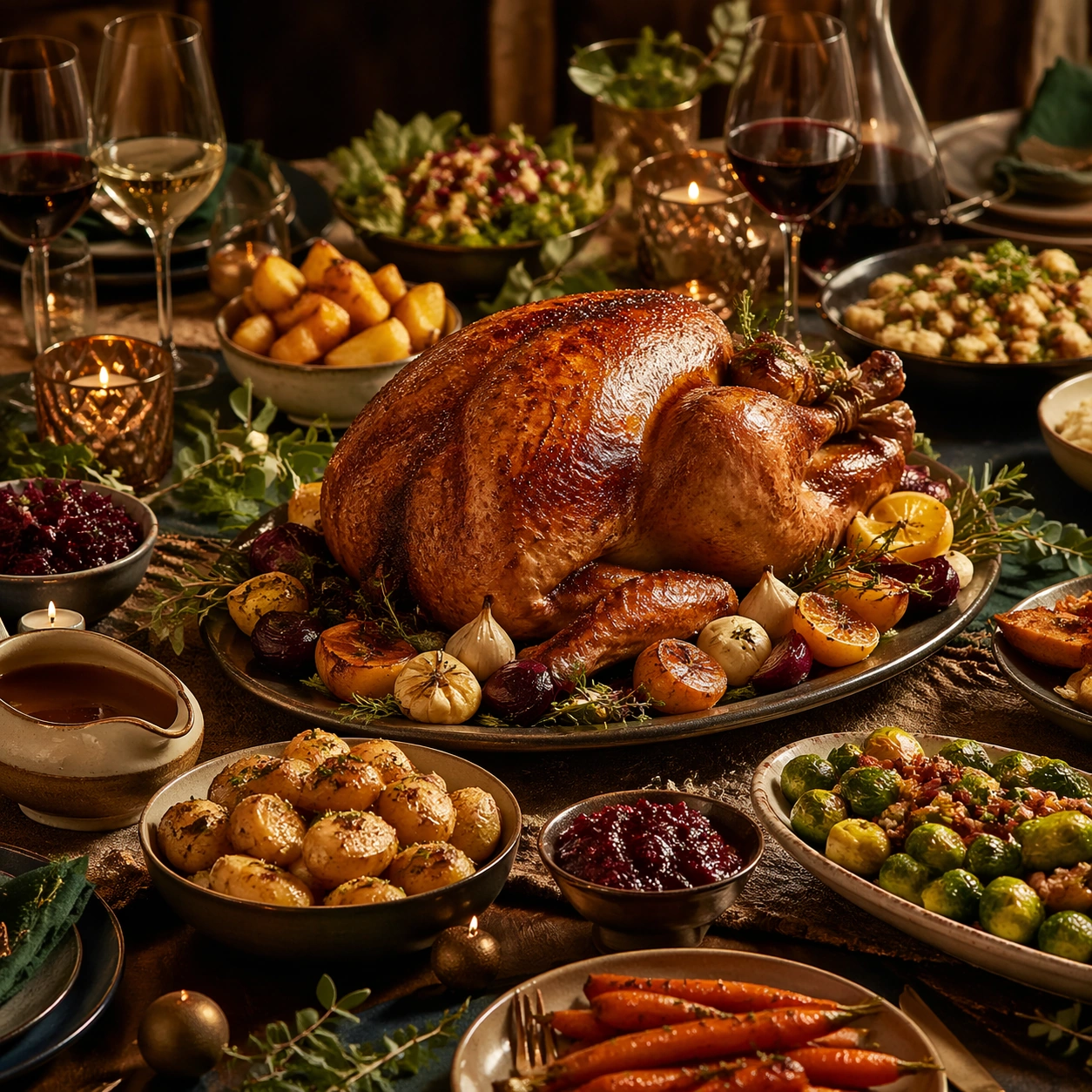
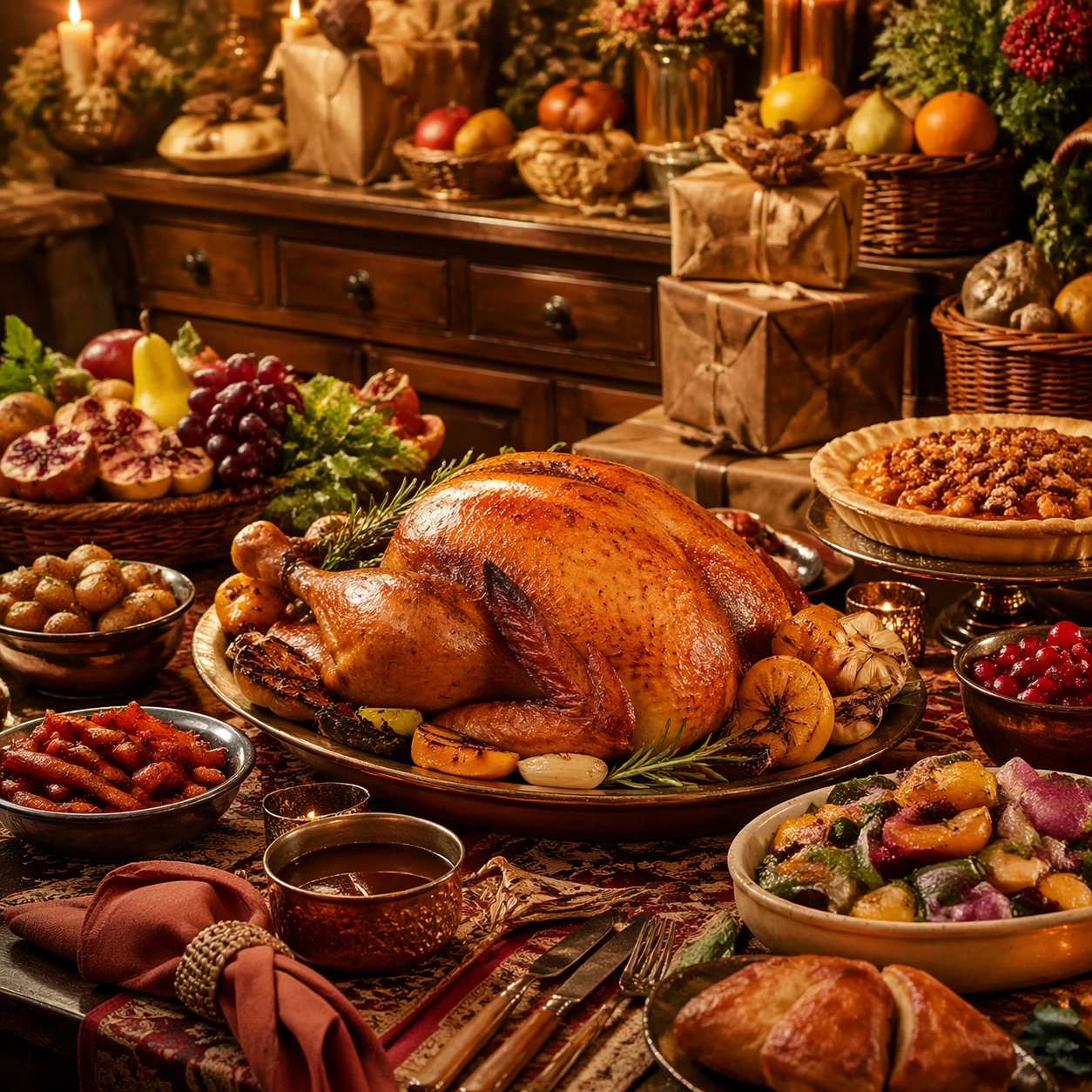
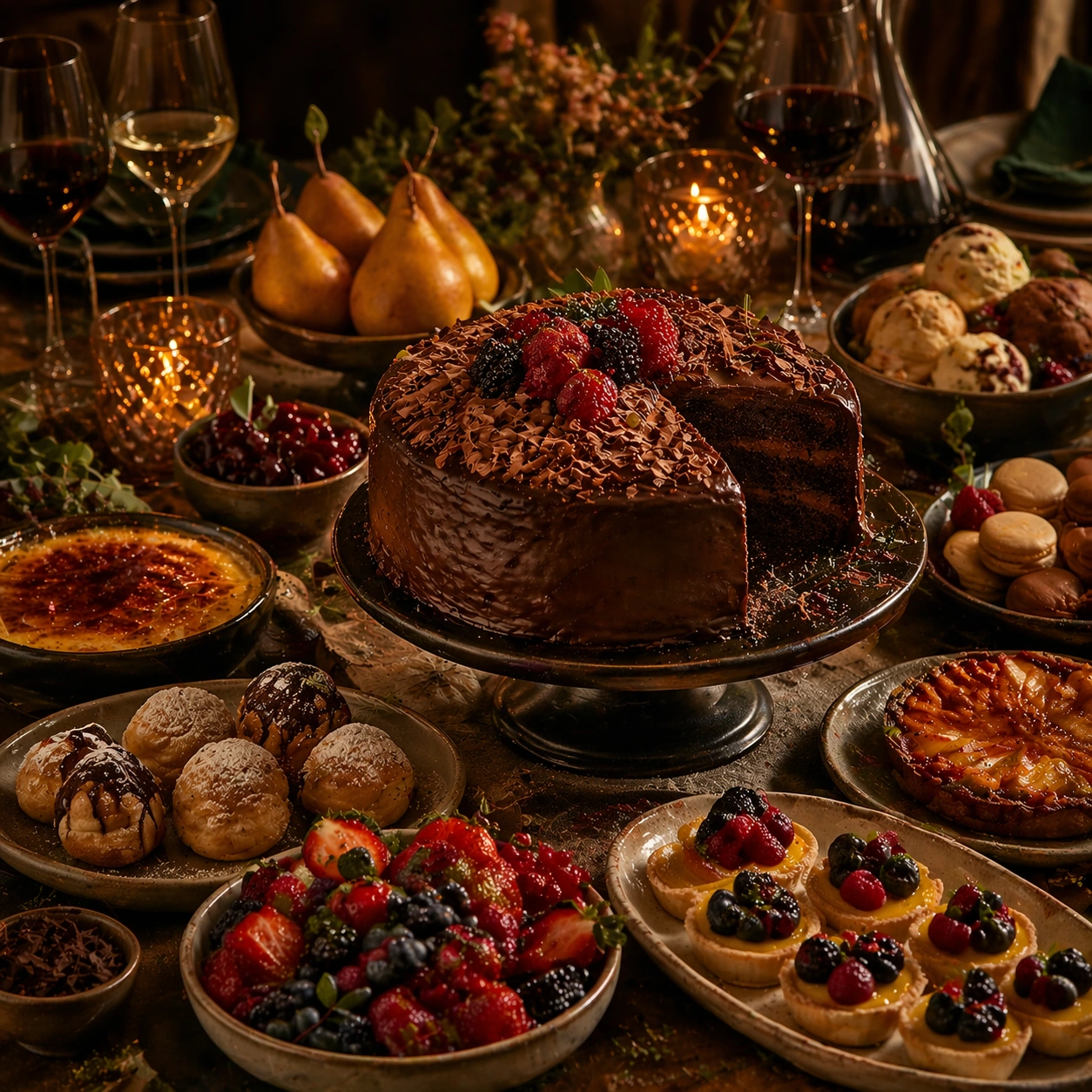
Compose a square feast or banquet campaign image with abundant but controlled table choreography, rich servingware, and a celebratory atmosphere that feels suitable for hospitality campaigns, seasonal dining promotions, or event editorials. The frame should manage many elements without losing hierarchy, elegance, or appetite appeal. Maintain the exact banquet staging and table depth, but shift the mood toward dessert lighting, polished fruit tones, and softer highlights.

Subject:
The food must look substantial and celebratory, with believable multi-dish coordination, serving logic, and table rituals that suggest a real banquet rather than a random buffet pile. Show a dessert-focused feast finale with cakes, fruit platters, pastries, and one hero sweet centerpiece arranged with event-level polish.

Important details:
This topic depends on composition reasoning. Preserve a strong centerpiece, readable secondary dishes, coherent servingware, and lighting that supports depth across the table. Celebration should emerge from abundance, color, and ritual objects, not from gimmicks or branded holiday symbols. Everything must feel premium, coordinated, and logistically plausible. Preserve the exact camera height, lens feel, prop family, tabletop scale, palette discipline, and brand logic established by 01-banquet-anchor. The banquet continuity should remain obvious through tableware, glass rhythm, and abundance structure even as the course moves from savory to sweet.

Use case:
Festive Feast series study 4/9, built for Prompt Atlas coverage of a food and beverage commercial visual system.

Constraints:
No readable text, no watermark, no logos, preserve exact 1:1 aspect ratio, no readable text, no logos, no generic wedding décor, no buffet-chaos clutter, no novelty party props, no copied holiday mascots, no visible faces dominating the frame, no birthday theme, no cartoon candy buffet, no readable celebration signage.
How to use
- Copy the complete original prompt, including any parameters.
- Replace the subject, text and composition with your own requirements.
- Use a compatible external tool; check its current access conditions and review the result.
Before you start
- Check whether a reference image is required. A compatible model label does not mean this example was generated with that model.
- Keep names, figures and visible text accurate; results can vary between model versions.