Original document
GPT Image 2 · en
Scene:
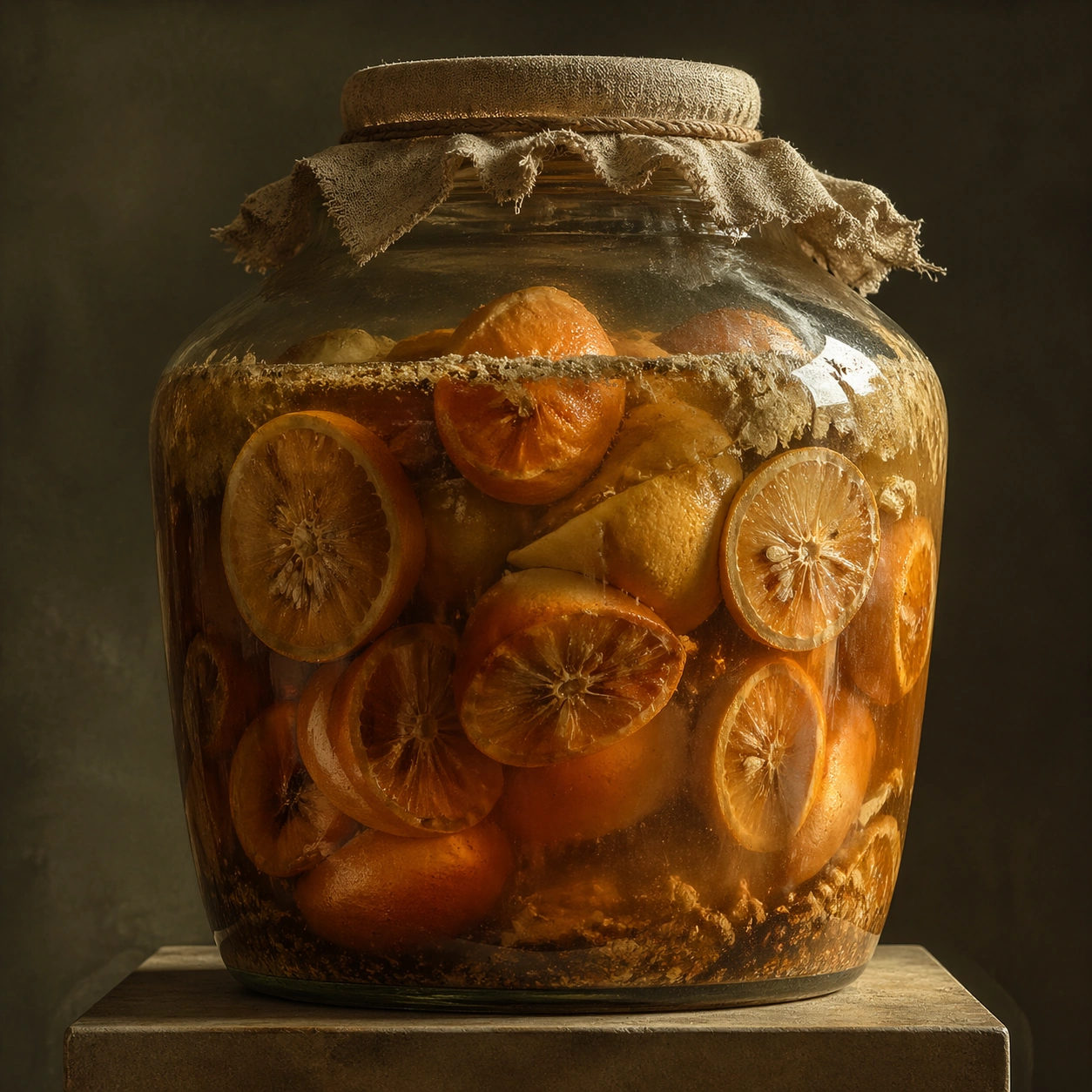
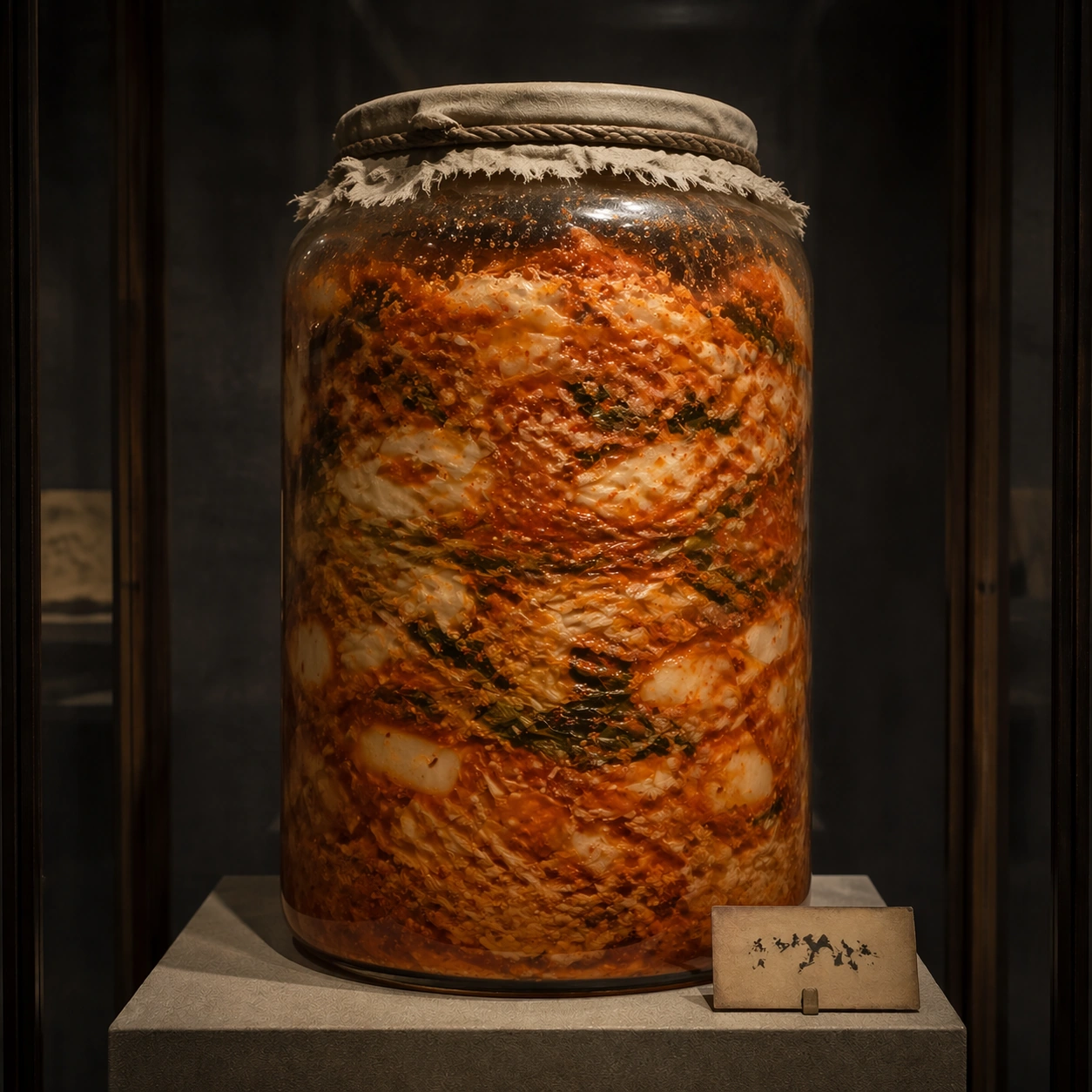
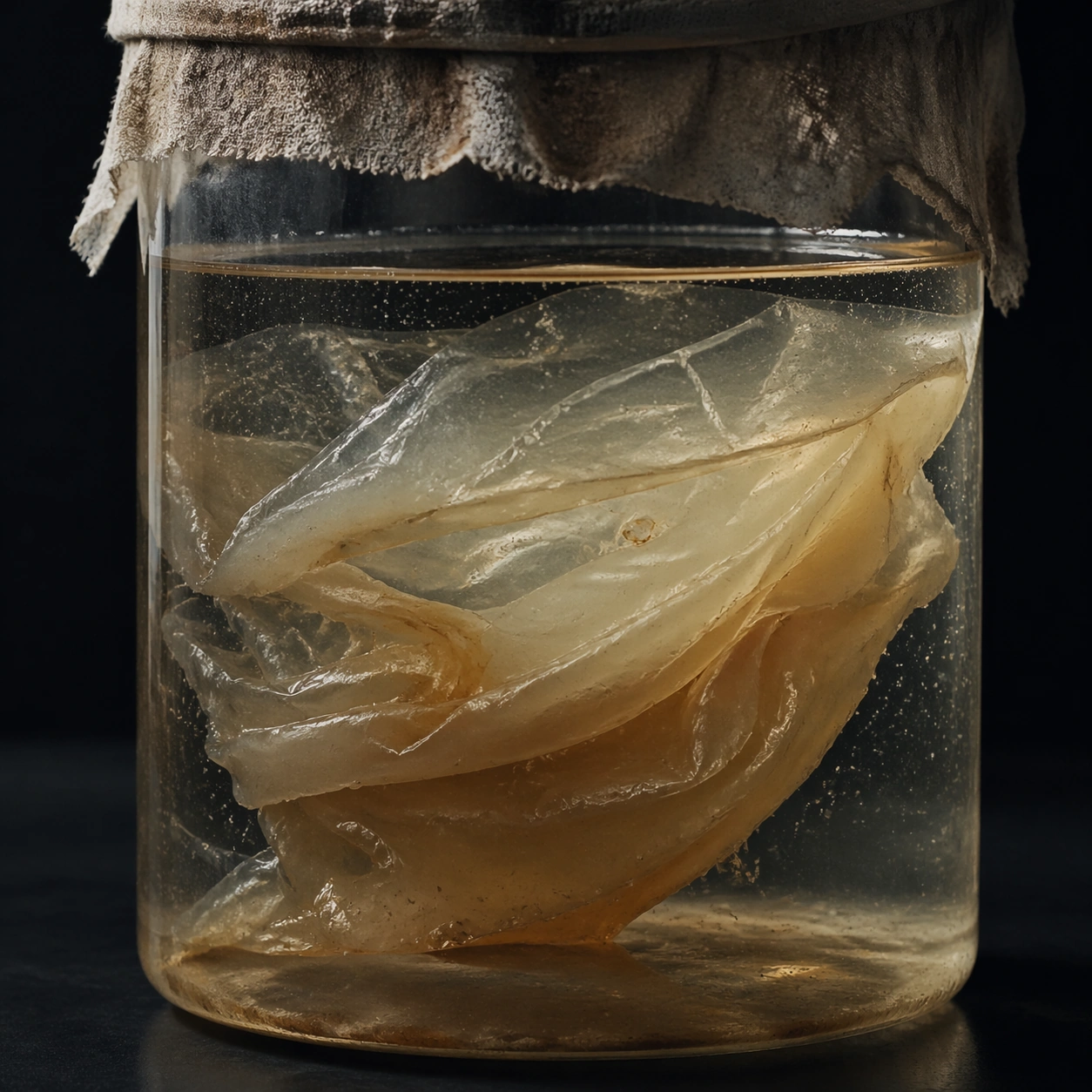
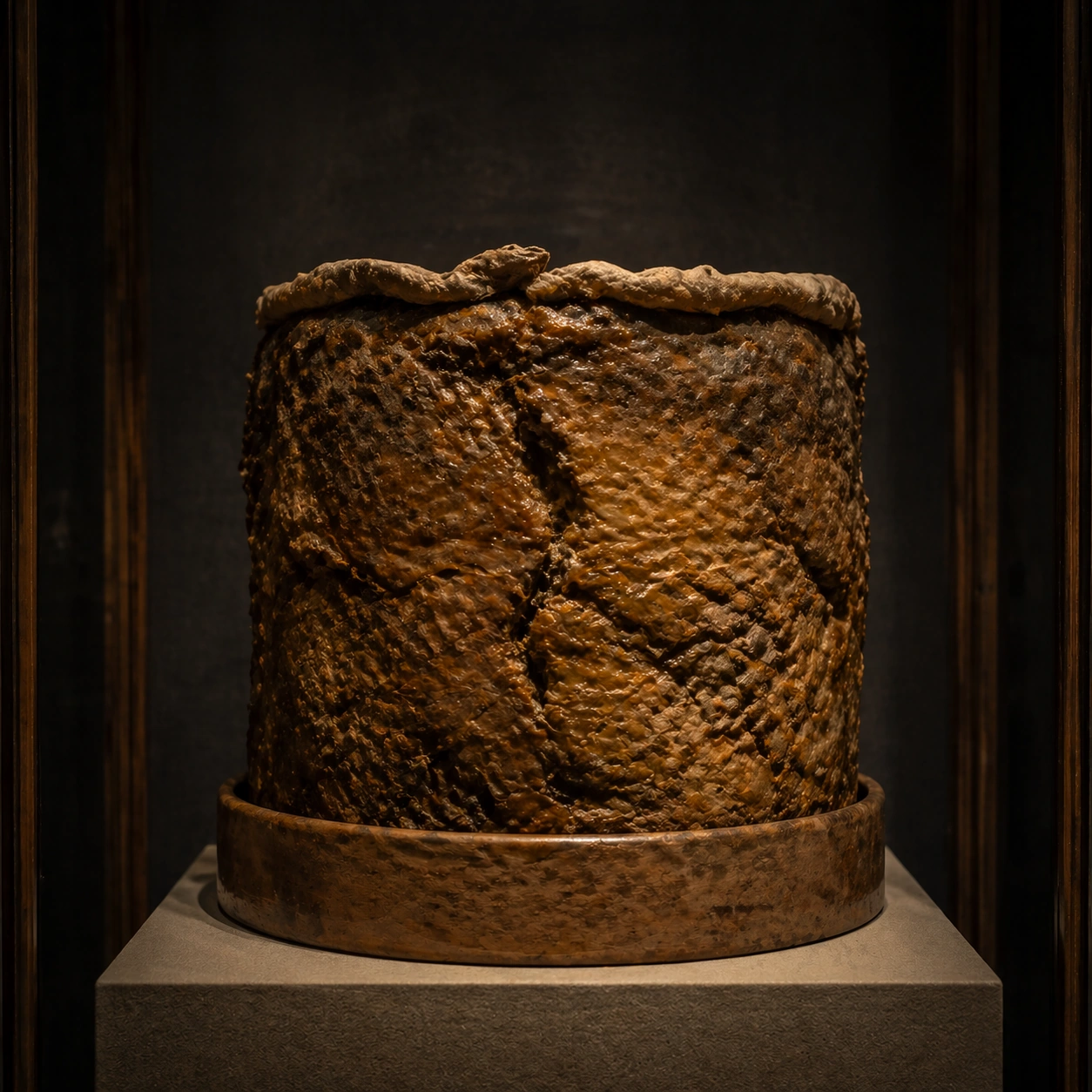
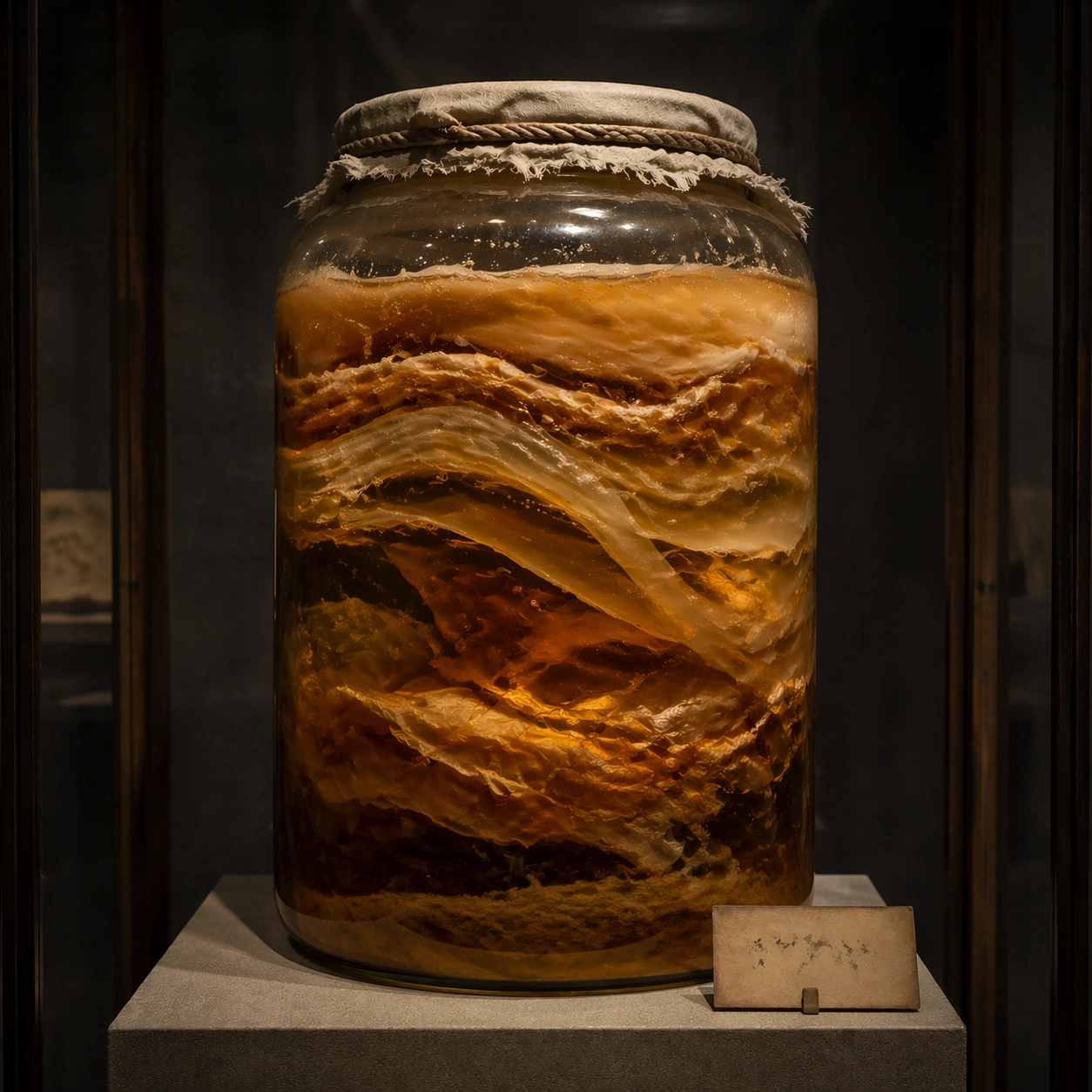
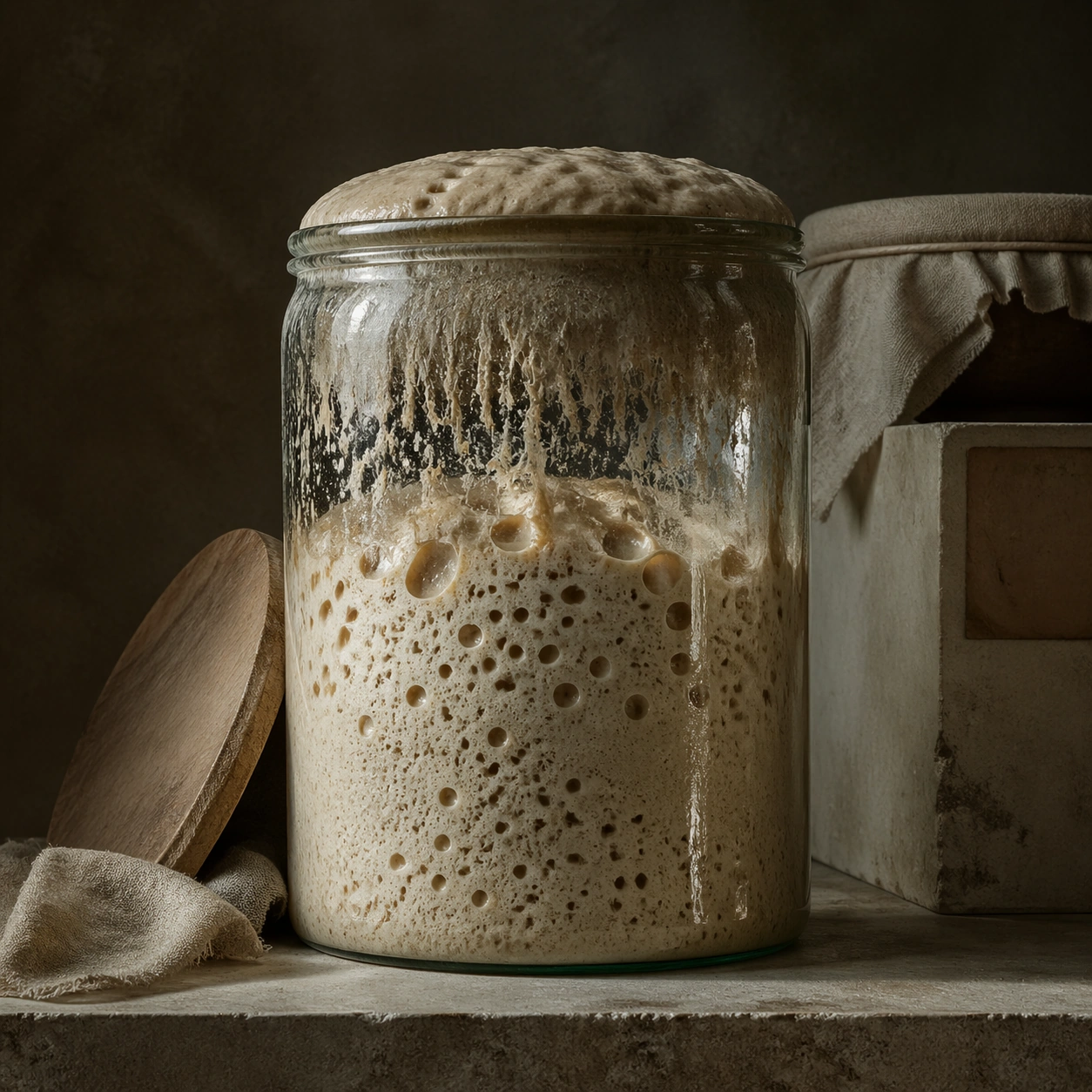
Create a square museum-vitrine style photograph of fermentation vessels treated as natural-history specimens, with calm raking light, restrained reflections, and an atmosphere of patient observation. Glass, ceramic, cloth covers, and aged labels can appear, but any markings must stay unreadable. The mood should be archival, biological, and sculptural at once. Use a square macro-leaning specimen setup on a dark neutral surface under raking light that turns small grains into a landscape of ridges and shadows. The environment should remain quiet and analytical.

Subject:
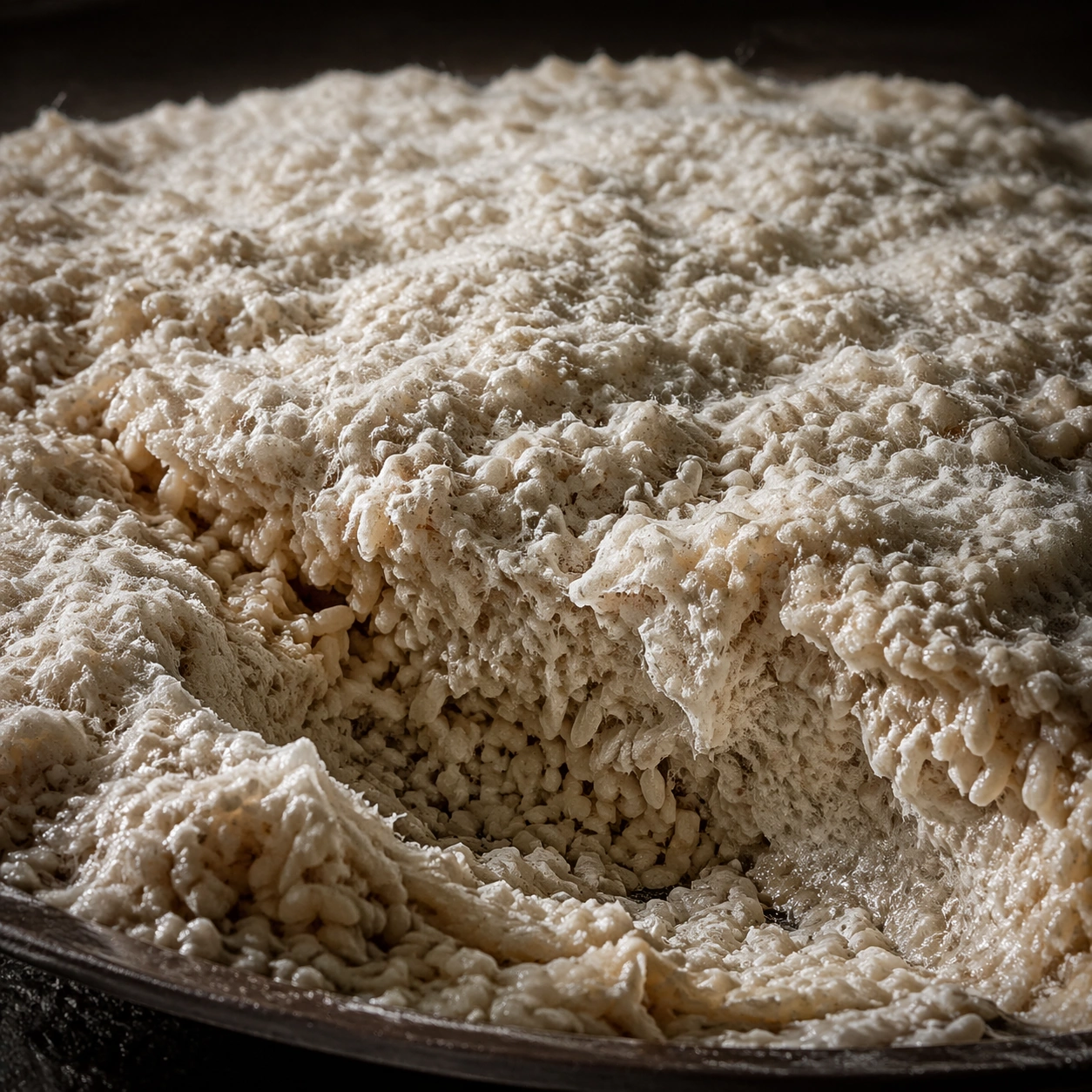
Show a shallow tray or mound of inoculated rice covered in fine white growth, subtle moisture, and uneven topography. A scoop mark or cutaway edge can reveal depth and density variation. The subject should feel agricultural, biological, and strangely monumental.

Important details:
Micro texture is essential: skins, bubbles, sediment, microbial mats, crusts, folds, and wet surfaces all need distinct tactile logic. The images should respect the beauty of slow transformation without sanitizing it into generic product photography. Fermentation must look alive, layered, and physically specific. The main challenge is scale transformation: every rice grain, filament, and damp cluster should remain identifiable while the whole surface reads as a terrain. The growth must feel alive, not dusty.

Use case:
Fermentation sculpture atlas single study 8/9, examining inoculated rice as a micro-texture landscape.

Constraints:
No readable text, no watermark, no logos, preserve exact 1:1 aspect ratio, no readable dates or species names, no modern supermarket packaging, no laboratory sterility that kills the organic feel, no mold-horror sensationalism, no cartoon colors, no powdery chalk look, no modern food-packaging context, no readable tags.
How to use
- Copy the complete original prompt, including any parameters.
- Replace the subject, text and composition with your own requirements.
- Use a compatible external tool; check its current access conditions and review the result.
Before you start
- Check whether a reference image is required. A compatible model label does not mean this example was generated with that model.
- Keep names, figures and visible text accurate; results can vary between model versions.