Original document
GPT Image 2 · en
Scene:
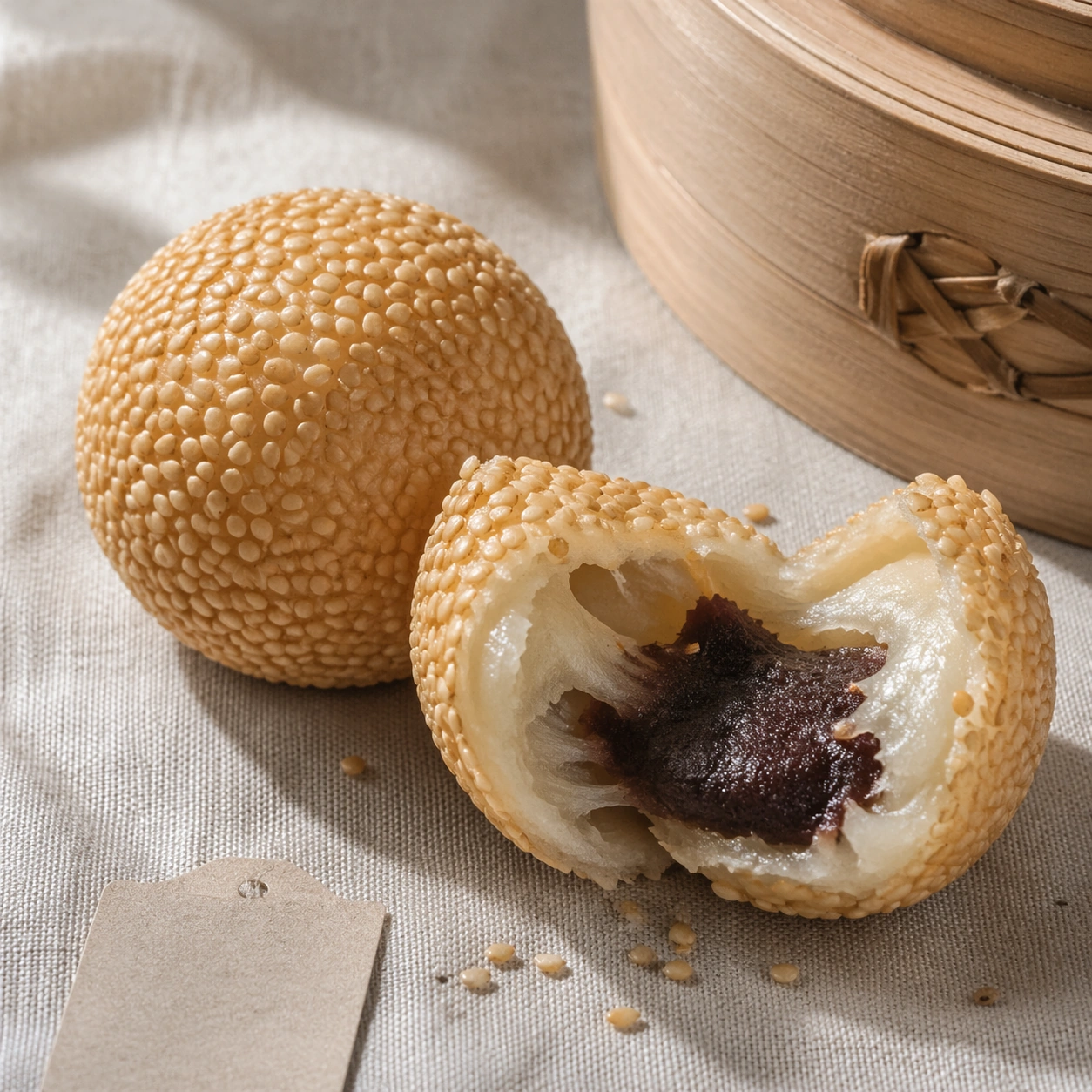
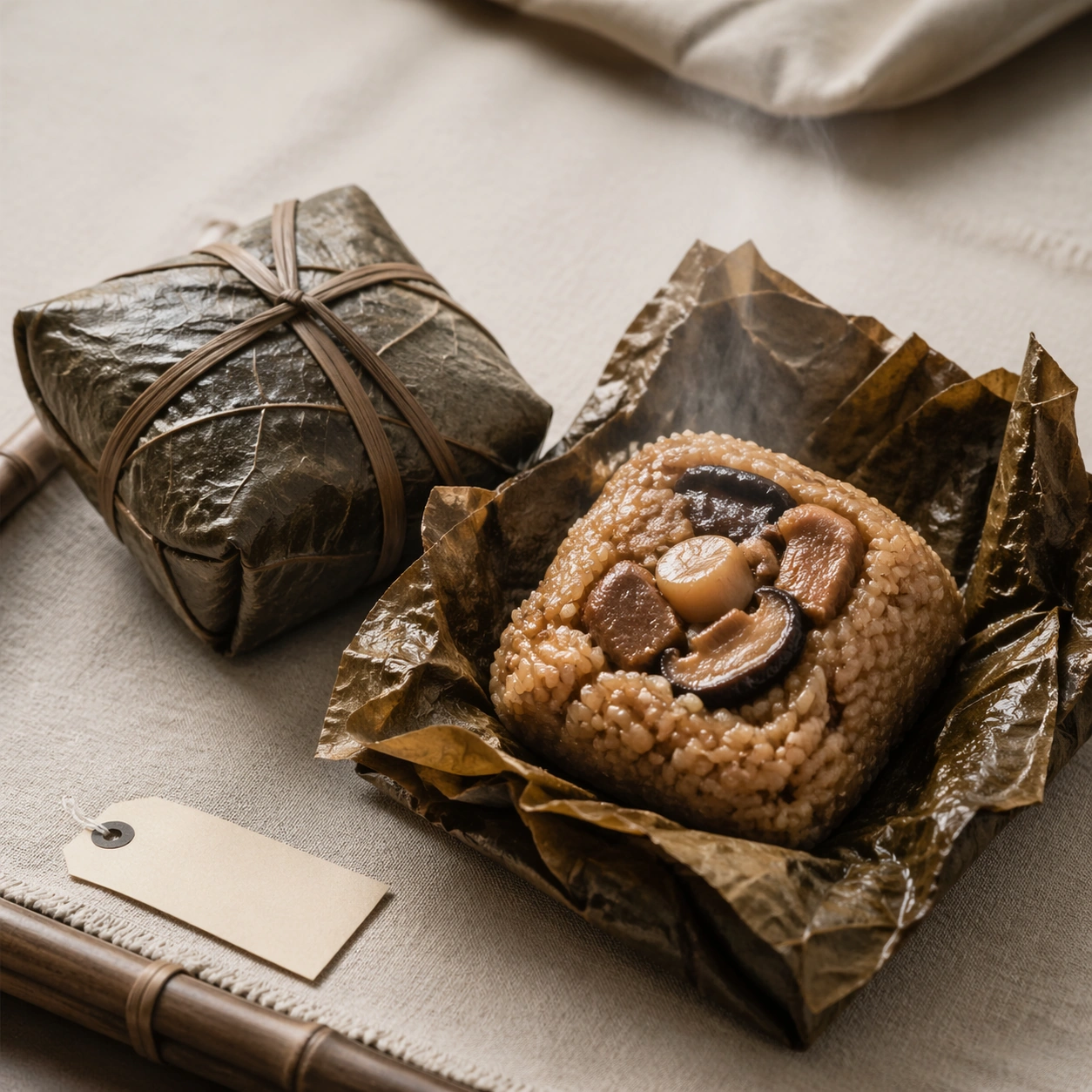
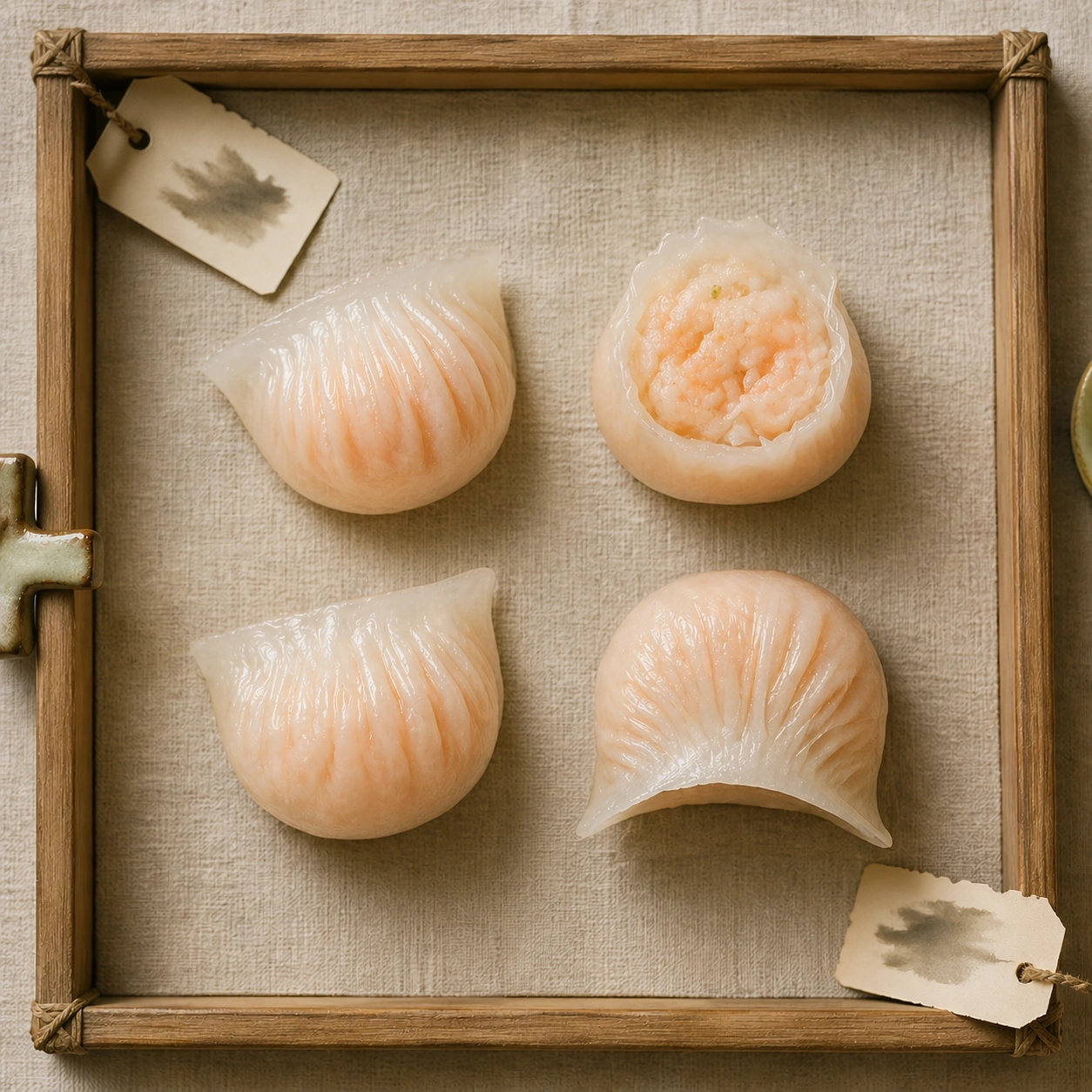
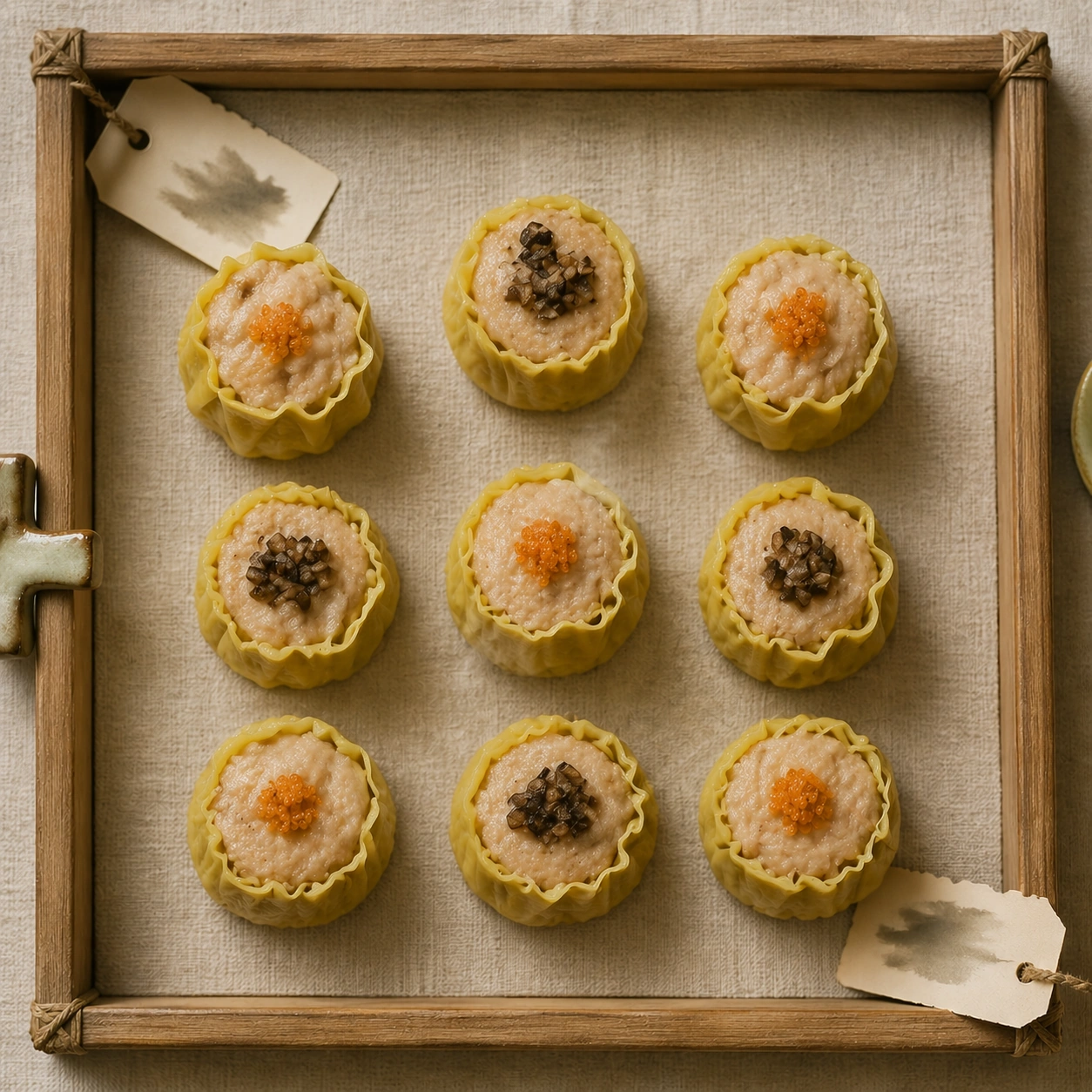
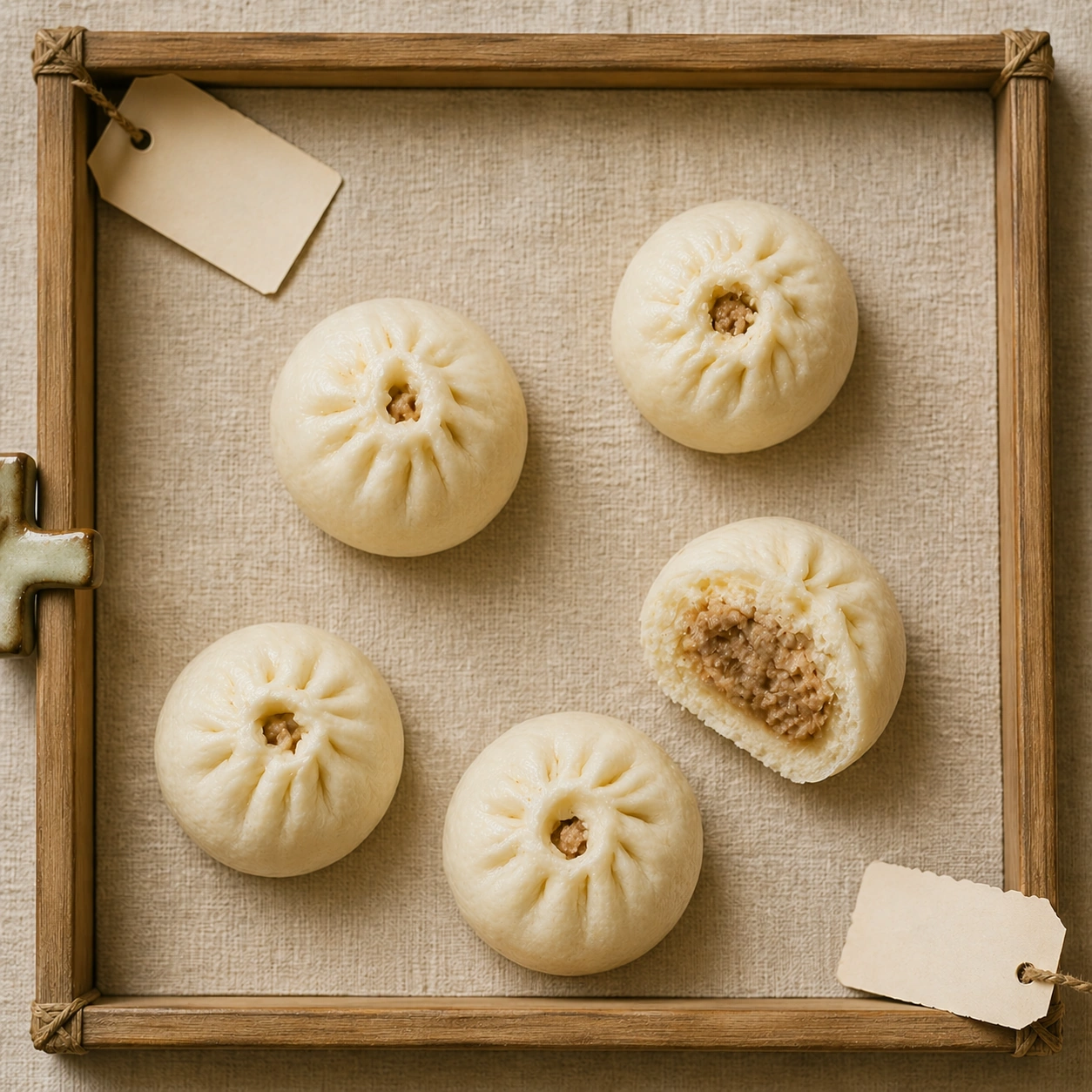
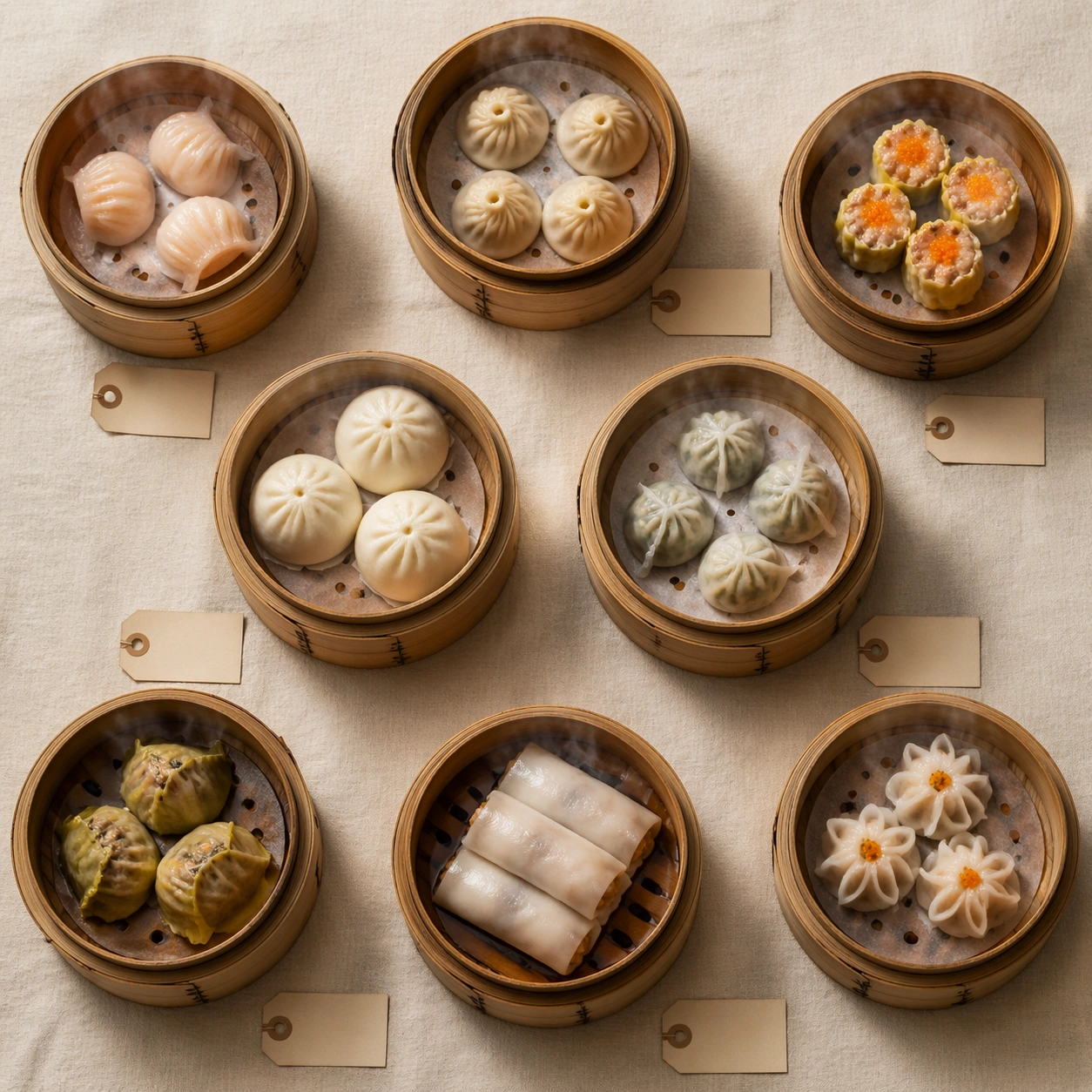
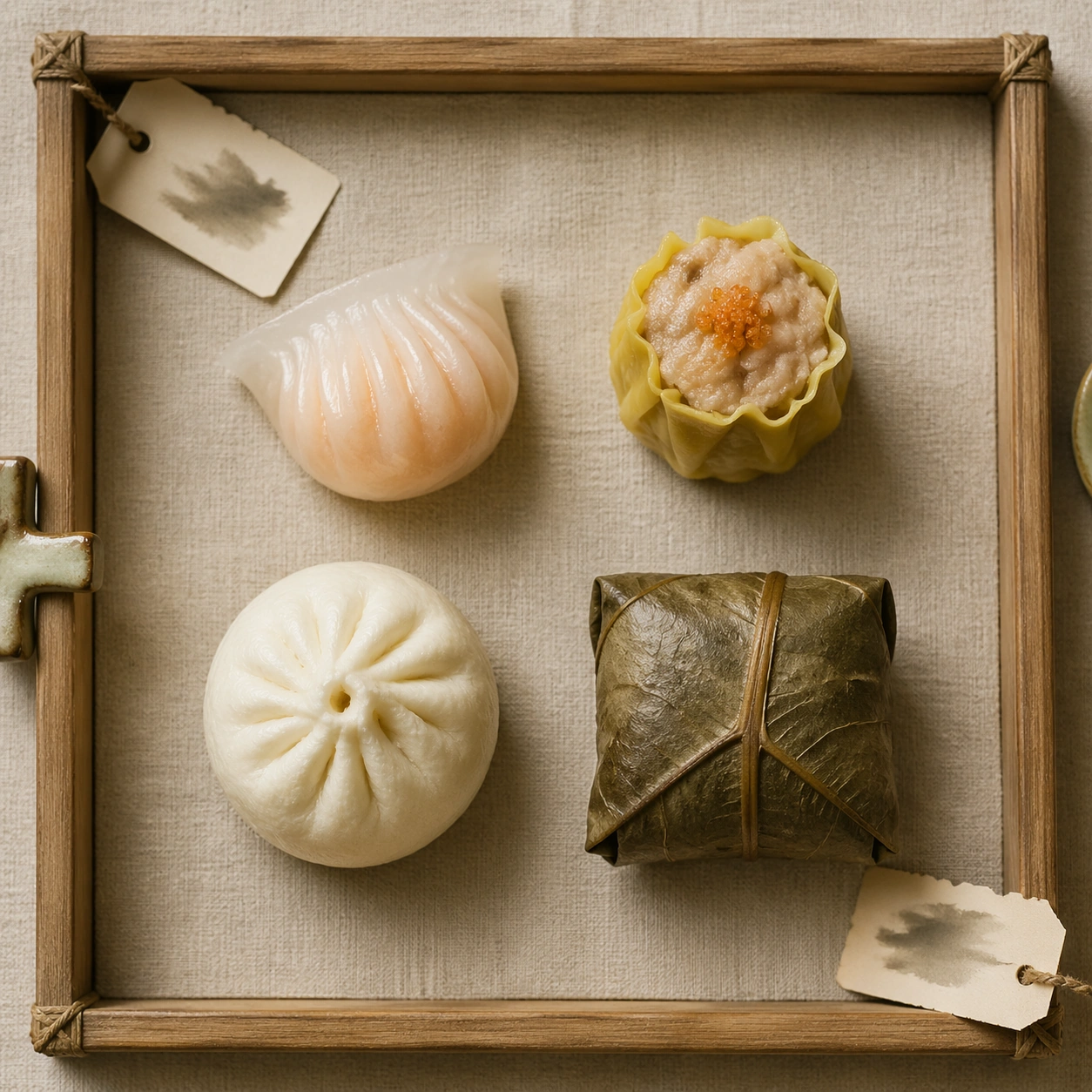
Create a square museum-atlas photograph of dim sum presented on natural linen or pale neutral textile, lit with calm daylight and restrained shadow. The composition should feel archival, specimen-like, and quietly luxurious rather than crowded or banquet-style. Blank museum tabs, bamboo details, and shallow steam are acceptable so long as no readable characters appear anywhere. Arrange the composition as a square overhead specimen tray on warm linen, with four dim sum pieces spaced evenly and photographed under soft morning-like daylight. Small bamboo or ceramic supports may appear at the edges, but the overall frame should remain quiet and archival.

Subject:
Show four iconic pieces as a starter atlas set: one translucent shrimp dumpling, one open-topped shumai, one steamed bun, and one wrapped glutinous parcel. Each item should be complete, carefully spaced, and slightly elevated by the fabric texture beneath it. A couple of blank specimen tabs with brush-like abstract marks may sit nearby without forming readable text.

Important details:
Make the dumplings feel handcrafted and specific: pleat count, skin thickness, translucency, filling pressure, steam moisture, and wrapper folds all need to be believable. The museum treatment should elevate the food without turning it into abstraction. Every item should still look edible, warm, and tactile. This first image establishes the linen tone, top-down geometry, steam softness, and specimen spacing for the series, so the atmosphere must feel stable and repeatable. Wrapper translucency, pleat accuracy, and moisture should all feel believable at close inspection.

Use case:
Dim sum miniature atlas series study 1/9, defining the archive-like specimen tray for later variations.

Constraints:
No readable text, no watermark, no logos, preserve exact 1:1 aspect ratio, no banquet table clutter, no readable calligraphy, no sauce spills, no glossy menu styling, no plastic steamer look, no soy sauce dishes, no chopsticks, no banquet platters.
How to use
- Copy the complete original prompt, including any parameters.
- Replace the subject, text and composition with your own requirements.
- Use a compatible external tool; check its current access conditions and review the result.
Before you start
- Check whether a reference image is required. A compatible model label does not mean this example was generated with that model.
- Keep names, figures and visible text accurate; results can vary between model versions.