Original document
GPT Image 2 · en
Scene:
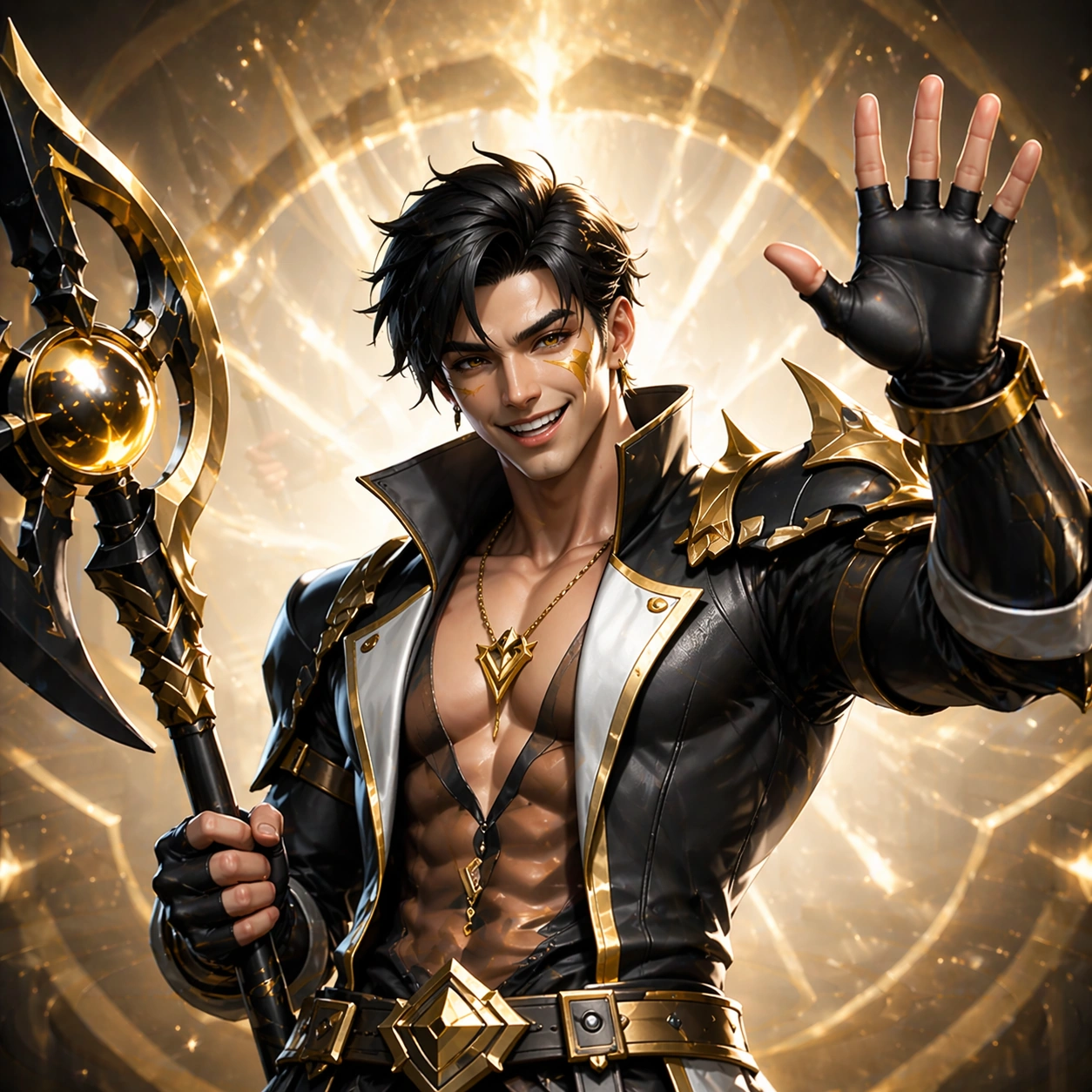
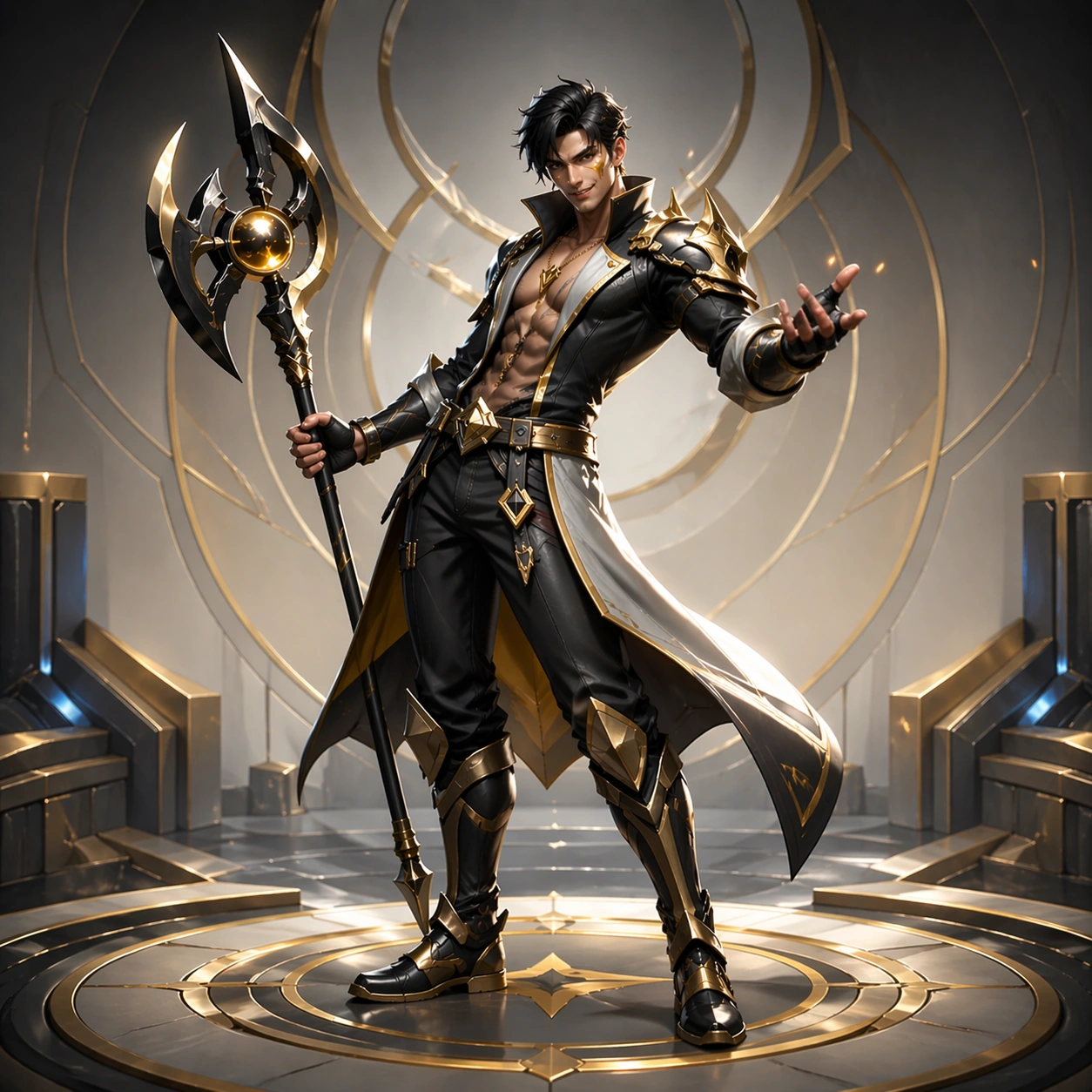
A compact sticker-style crop with strong contour separation, simple background energy, and enough breathing room for future UI framing. Frame the composition like a premium game-production deliverable rather than generic concept art, with disciplined square balance, controlled highlight placement, and enough negative space to keep the focal structure easy to parse. Use lighting, value grouping, and depth layers to make the scene feel intentional, collectible, and immediately useful for internal review or outward-facing promotion.

Subject:
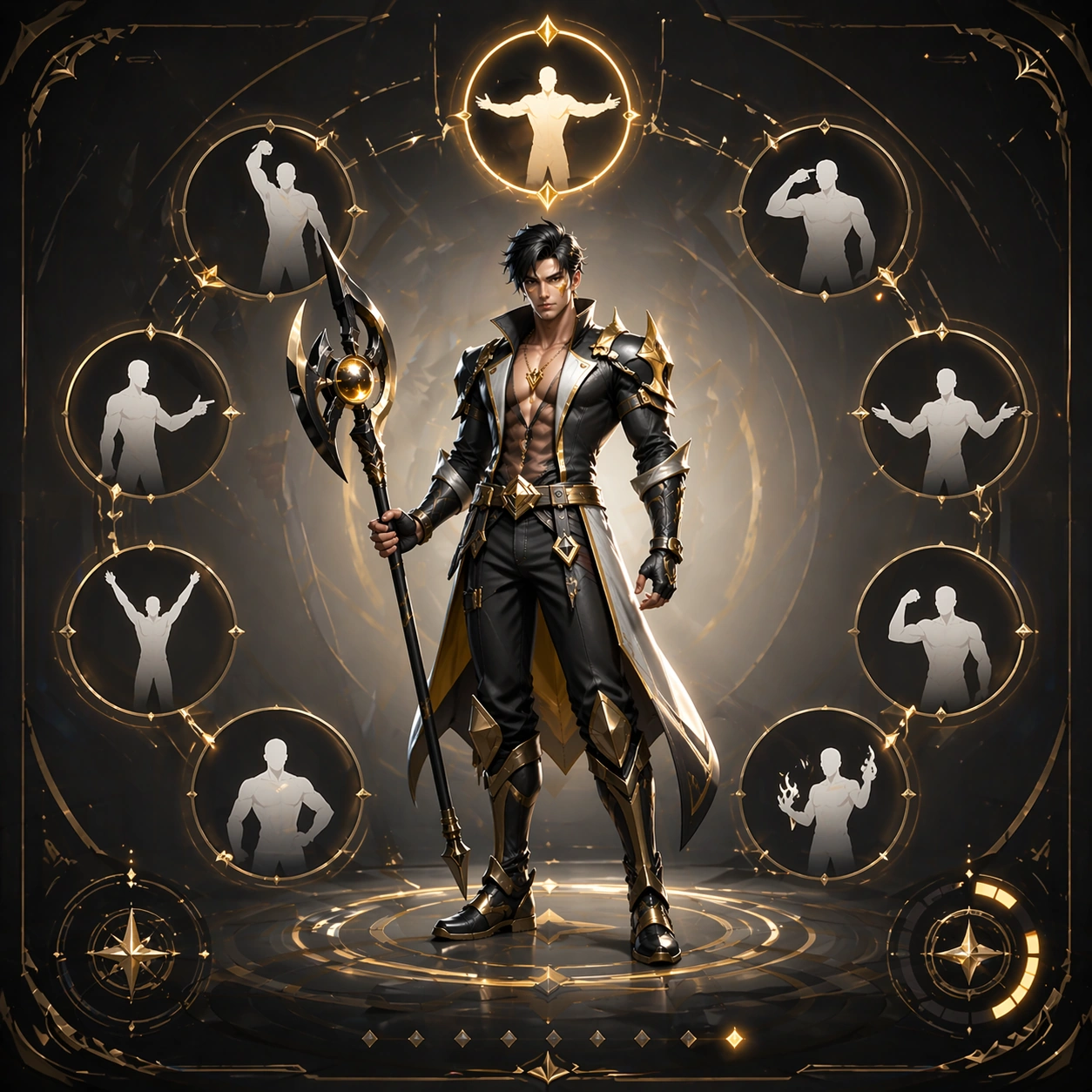
Show the same hero cheering for a teammate with bright eyes, an open smile, and a supportive hand signal that reads positively at tiny scale. Build the image around one dominant primary read, then support it with clearly organized secondary shapes, props, interface shells, or environment structures that reinforce gameplay context and commercial usefulness. Every object should look original, fully resolved, and designed to survive cropping for store, profile, patch, or gallery surfaces.

Important details:
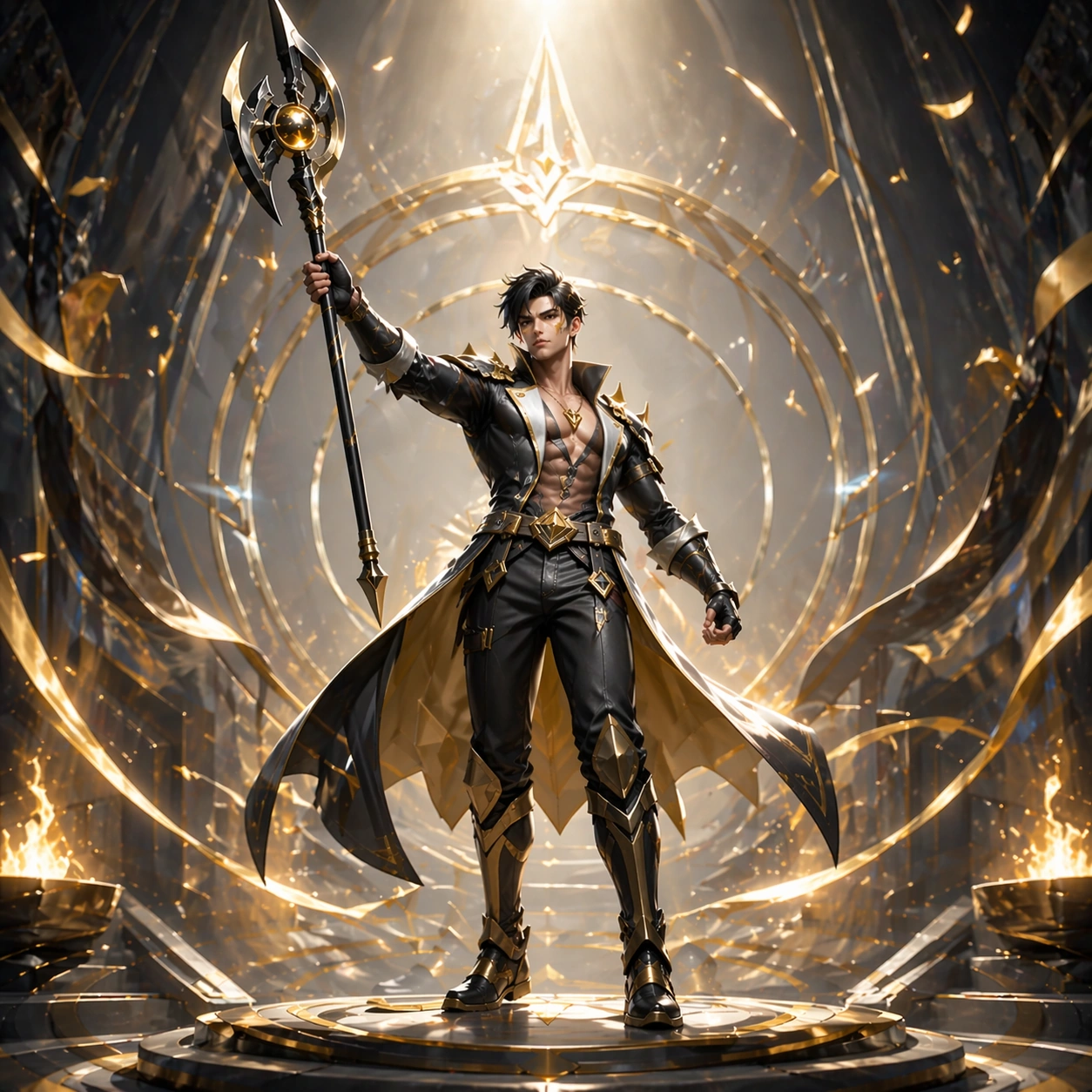
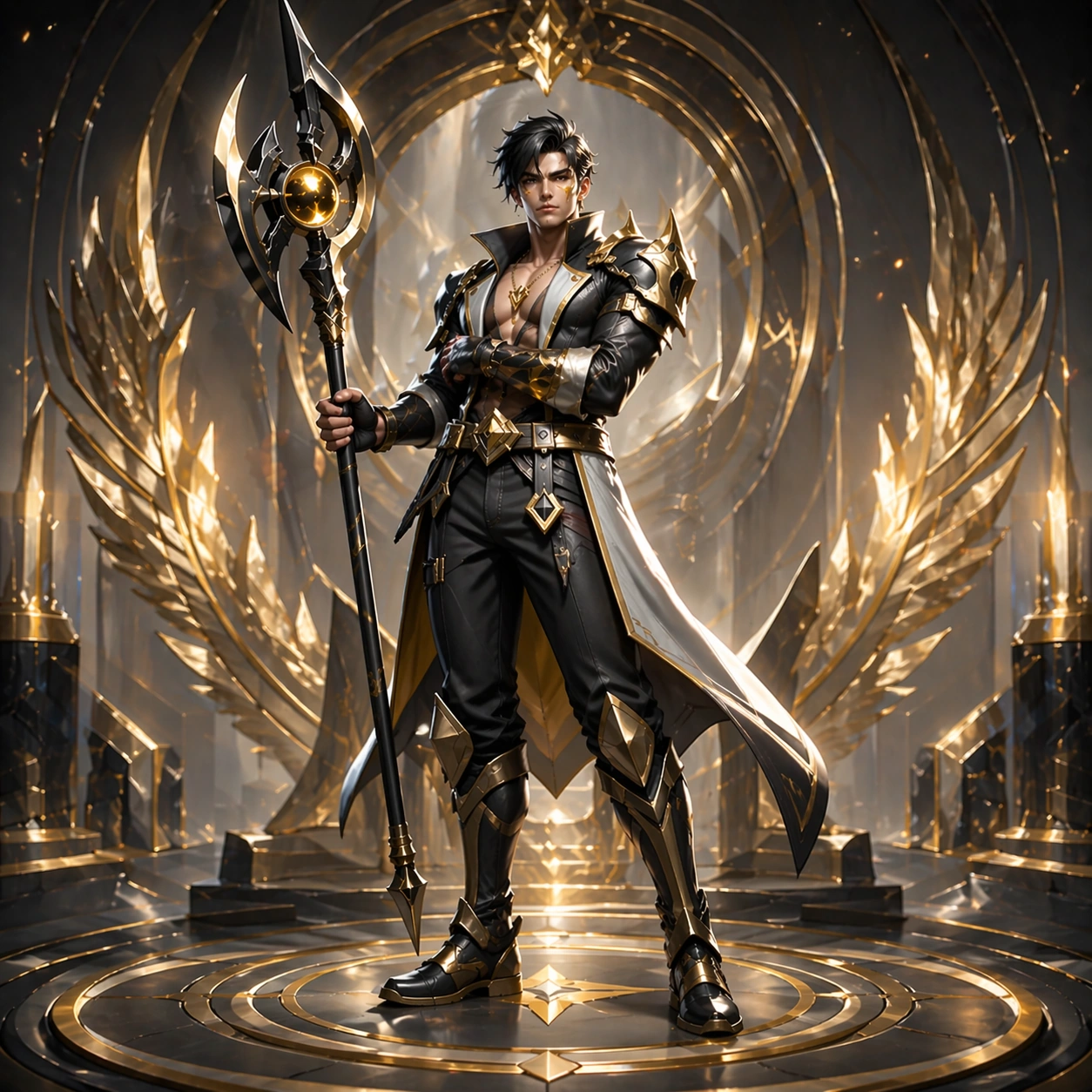
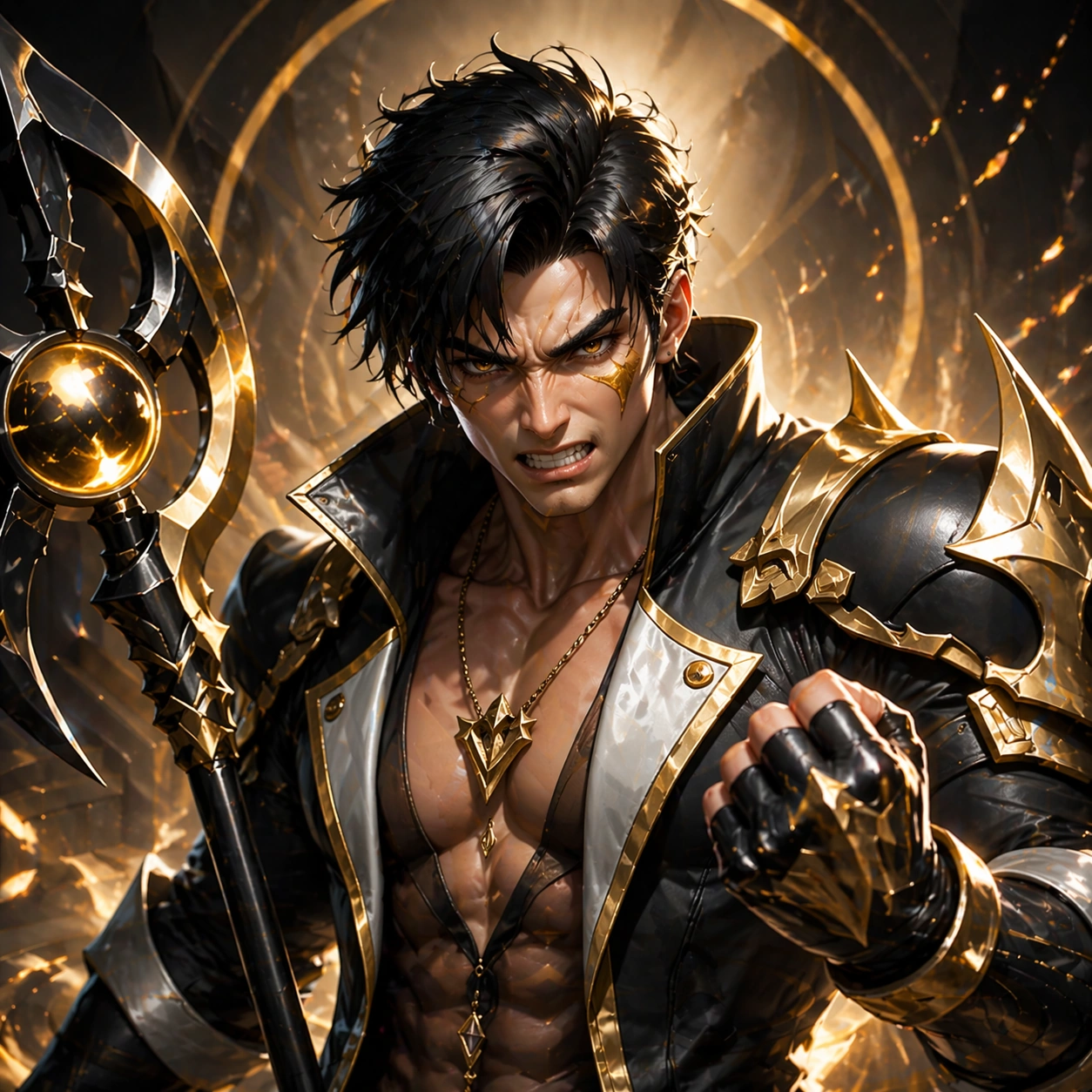
Keep the visual language friendly and legible, favoring iconic shapes over tiny surface noise. Keep the hero immediately recognizable at both full-body and sticker scale, with expressive hand language, sharp silhouette control, and a clean commercial finish suited to game UI surfaces. Preserve the same hero identity, face structure, hair silhouette, costume construction, faction color logic, and prop details established by the reference image. The variation may change framing, intensity, or layout emphasis, but it must still feel like a direct continuation of the same design system.

Use case:
Emote Expression Victory Pose Pack series study 6/9.

Constraints:
No readable text, no watermark, no logos, preserve exact 1:1 aspect ratio, no unreadable chat bubbles pretending to be text, no extra characters, no mutated hands, no costume redesign, no muddy silhouette.
How to use
- Copy the complete original prompt, including any parameters.
- Replace the subject, text and composition with your own requirements.
- Use a compatible external tool; check its current access conditions and review the result.
Before you start
- Check whether a reference image is required. A compatible model label does not mean this example was generated with that model.
- Keep names, figures and visible text accurate; results can vary between model versions.