原文
GPT Image 2 · en
Scene:
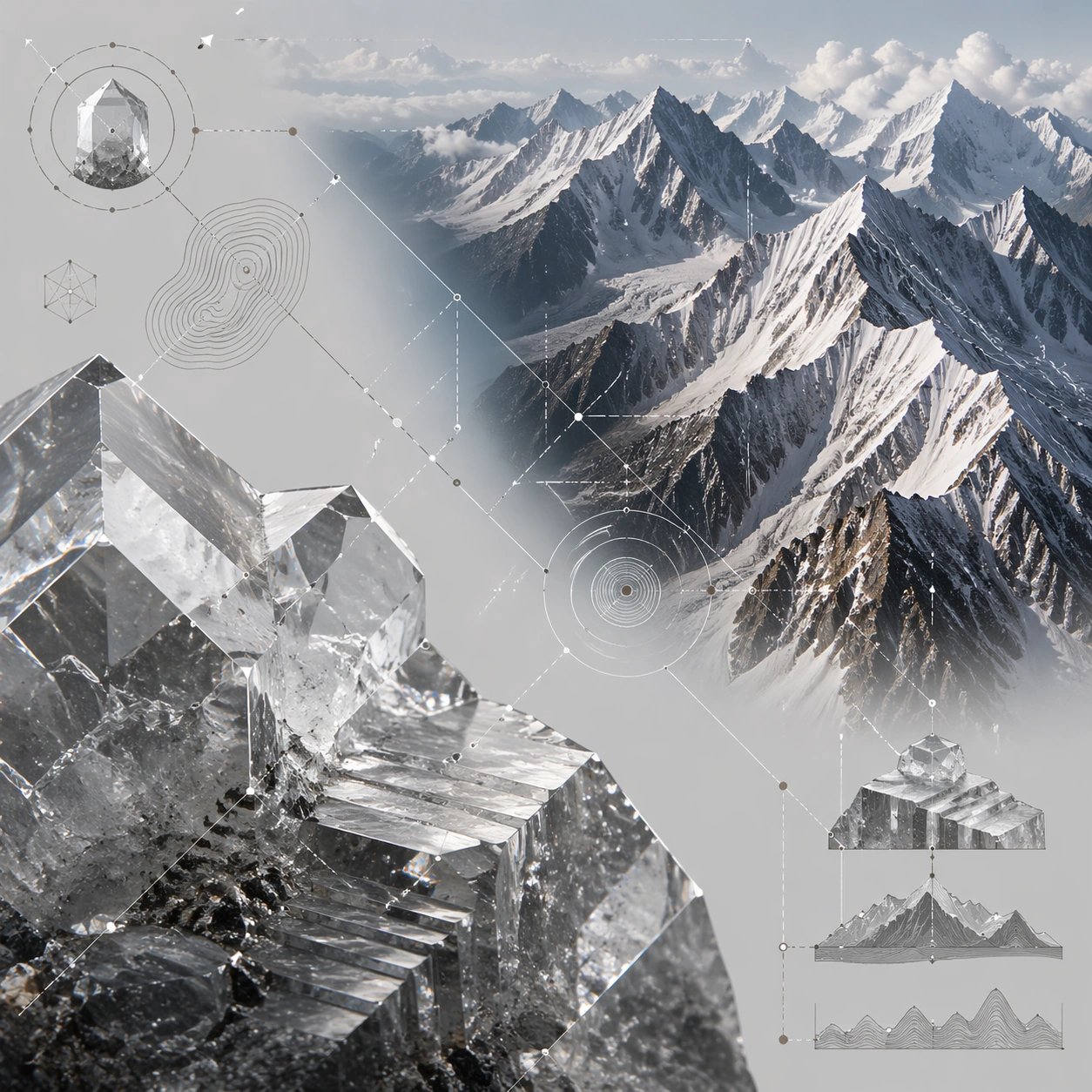
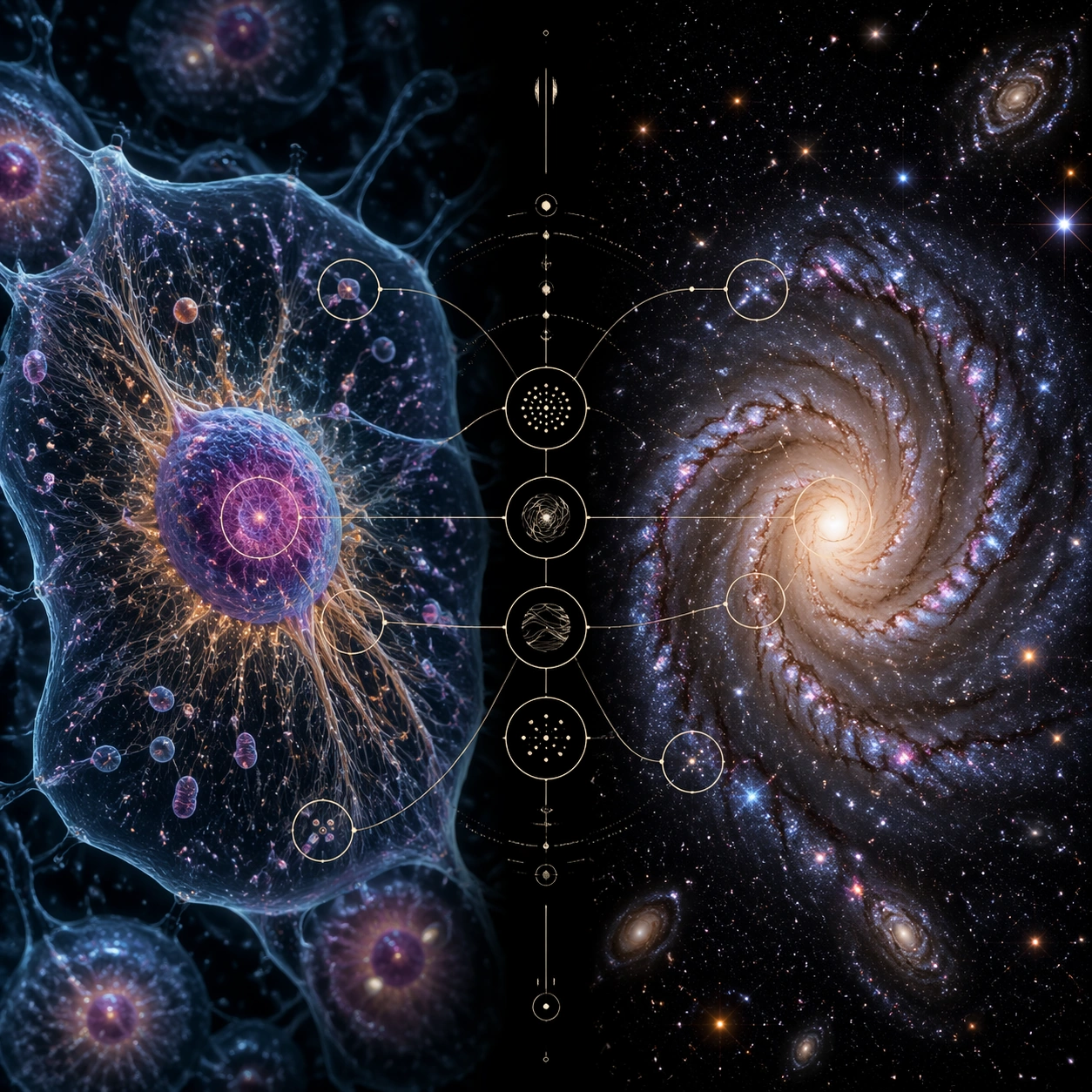
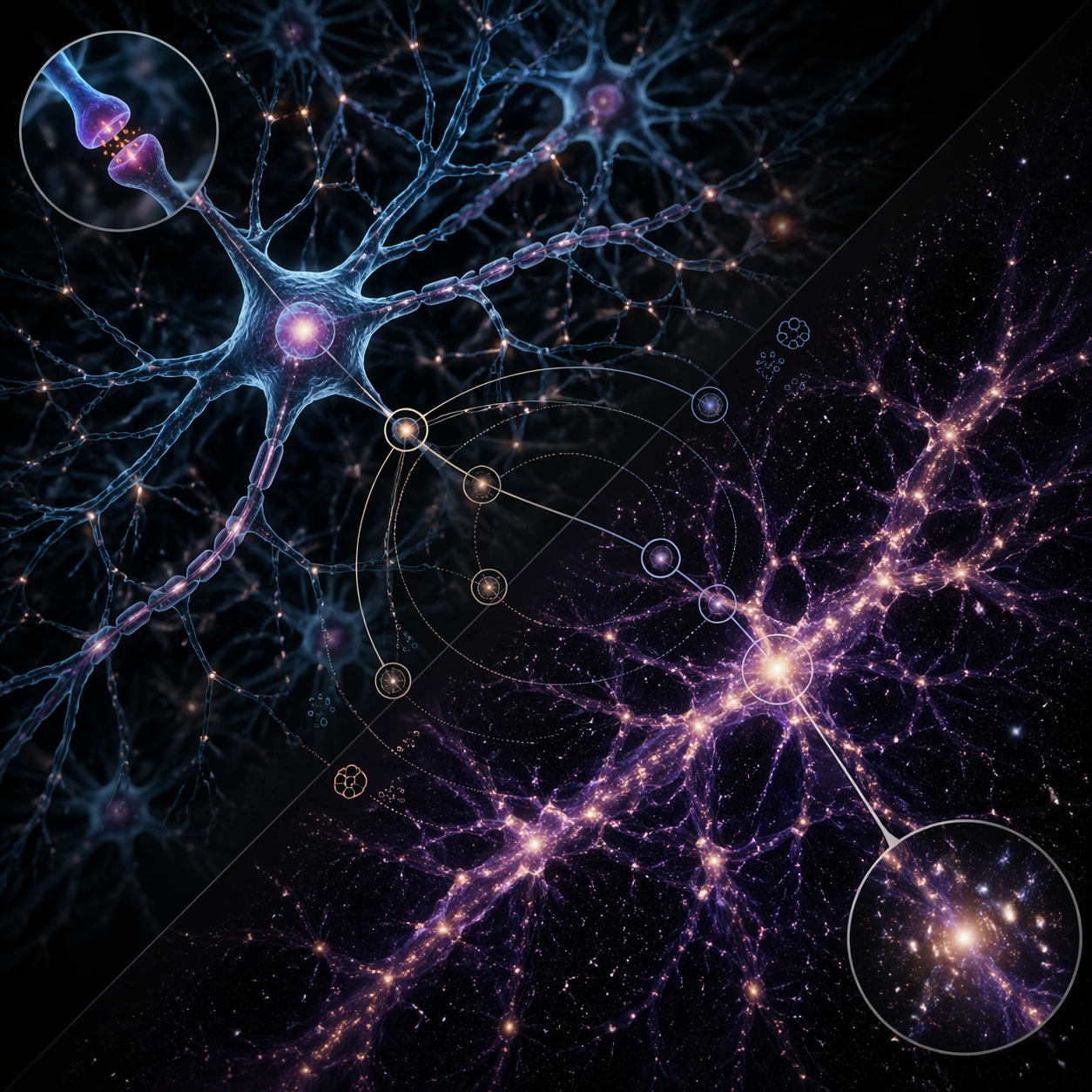
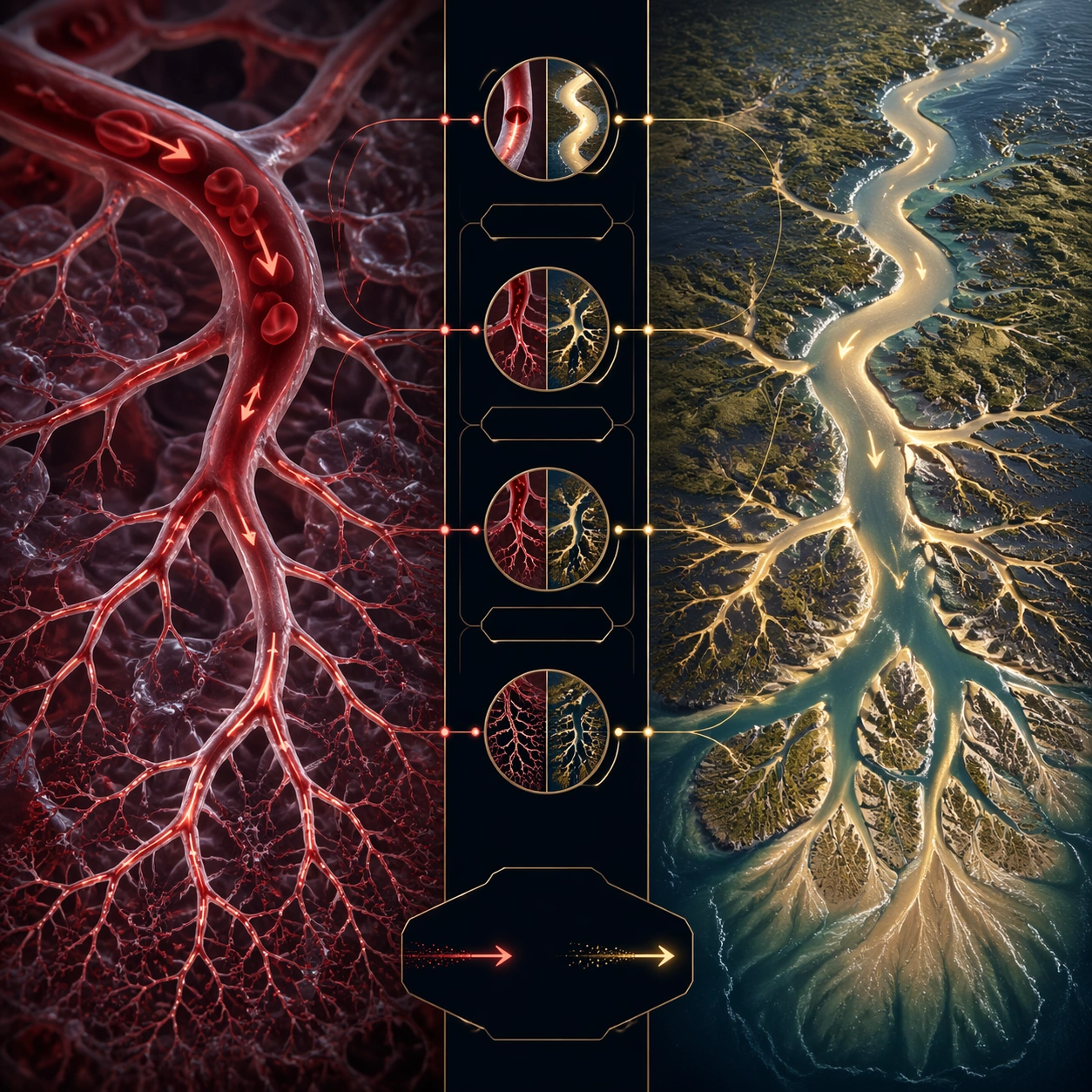
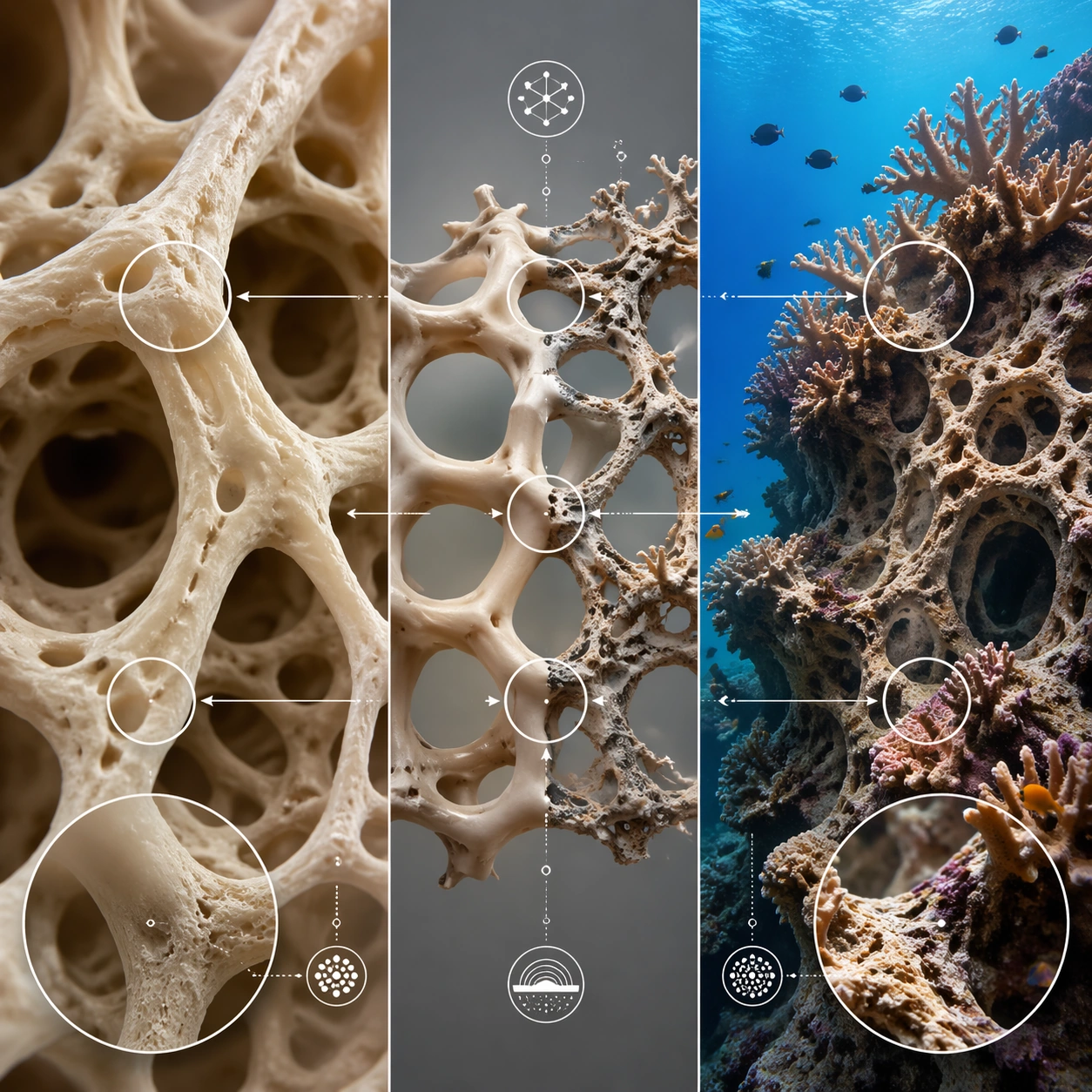
A square photorealistic science infographic with a soft studio-gray background and a balanced triptych structure: microscopic bone lattice on the left, central transition column, coral reef architecture on the right. The layout uses thin white dividers, translucent callout circles, and small non-readable glyph marks. Lighting is sculptural and tactile, emphasizing porous material surfaces.

Subject:
Left panel: trabecular bone seen at high magnification, with ivory struts, porous cavities, subtle mineral grain, and realistic shadowing. Right panel: a coral reef wall photographed underwater, with branching coral, porous limestone, small fish silhouettes, and blue water depth. The central transition column blends the two structures as matched load-bearing lattices, showing how voids and struts create strength and habitat.

Important details:
The comparison should be material-driven, not merely decorative. Match pore scale, branching angles, and light direction across both panels. The bone must not look like dead coral, and the coral must remain alive and underwater; the bridge is about architecture and porosity. Use small arrows and magnifier circles to point at analogous voids, arches, and struts without text. Keep the composition calm, premium, and scientifically plausible.

Use case:
Micro-Macro Infographic single study 4/8, comparing trabecular bone structure with coral reef architecture and porous load paths.

Constraints:
No readable text, no watermark, no logos, preserve exact 1:1 aspect ratio, no gore, no medical diagnosis, no dead reef imagery, no fake labels, no chaotic aquarium scene, no low-detail sponge texture, no overlaid paragraphs.
使い方
- パラメータを含む元のプロンプト全体をコピーします。
- 被写体、文字、構図を自分の要件に置き換えます。
- 対応する外部ツールで使用し、利用条件と結果を確認します。
開始前の確認
- 参考画像の要否を確認してください。互換モデルの表示は、そのモデルでの生成実績を意味しません。
- 名前、数値、画像内の文字を確認します。モデルの版で結果は変わります。