原始文档
GPT Image 2 · en
Scene:
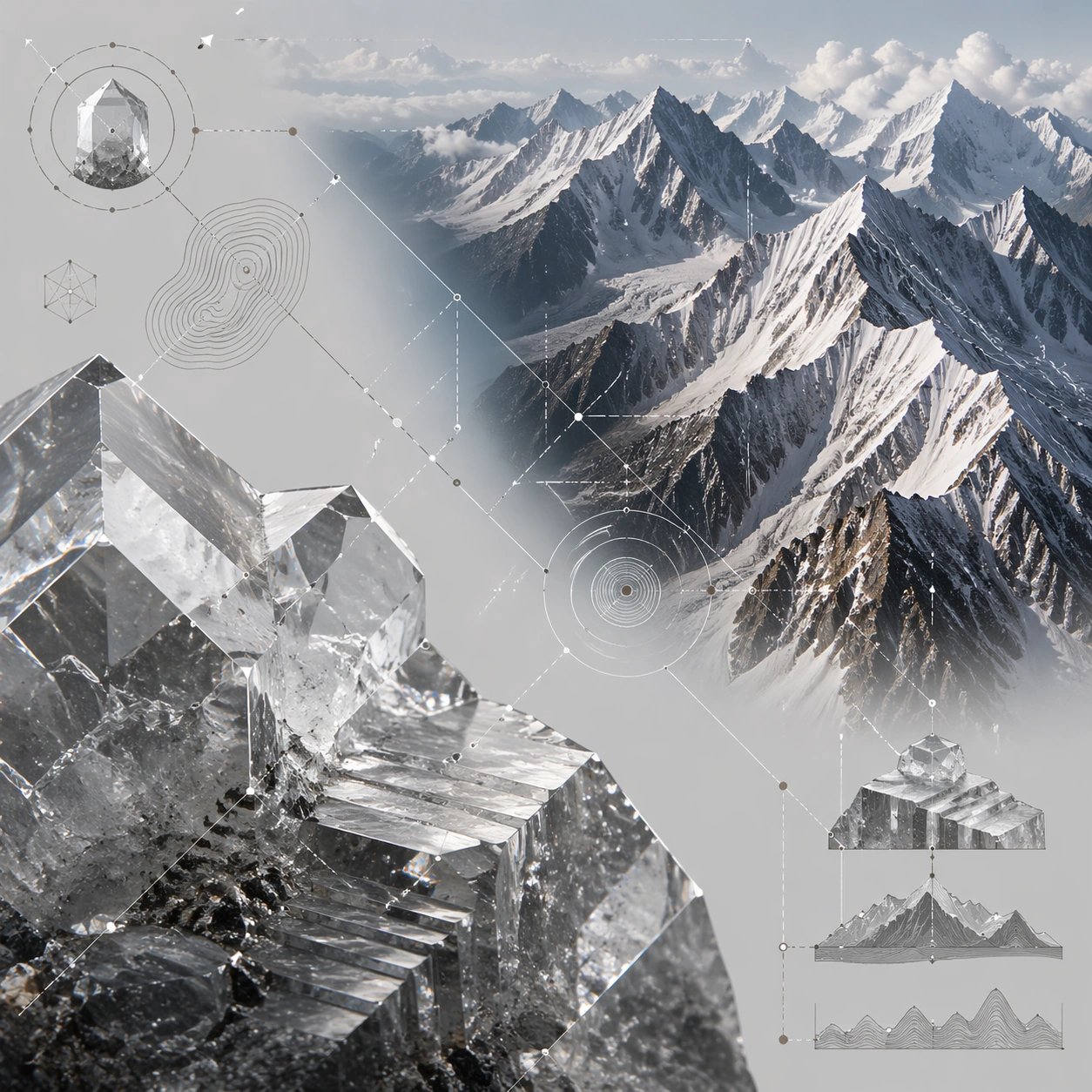
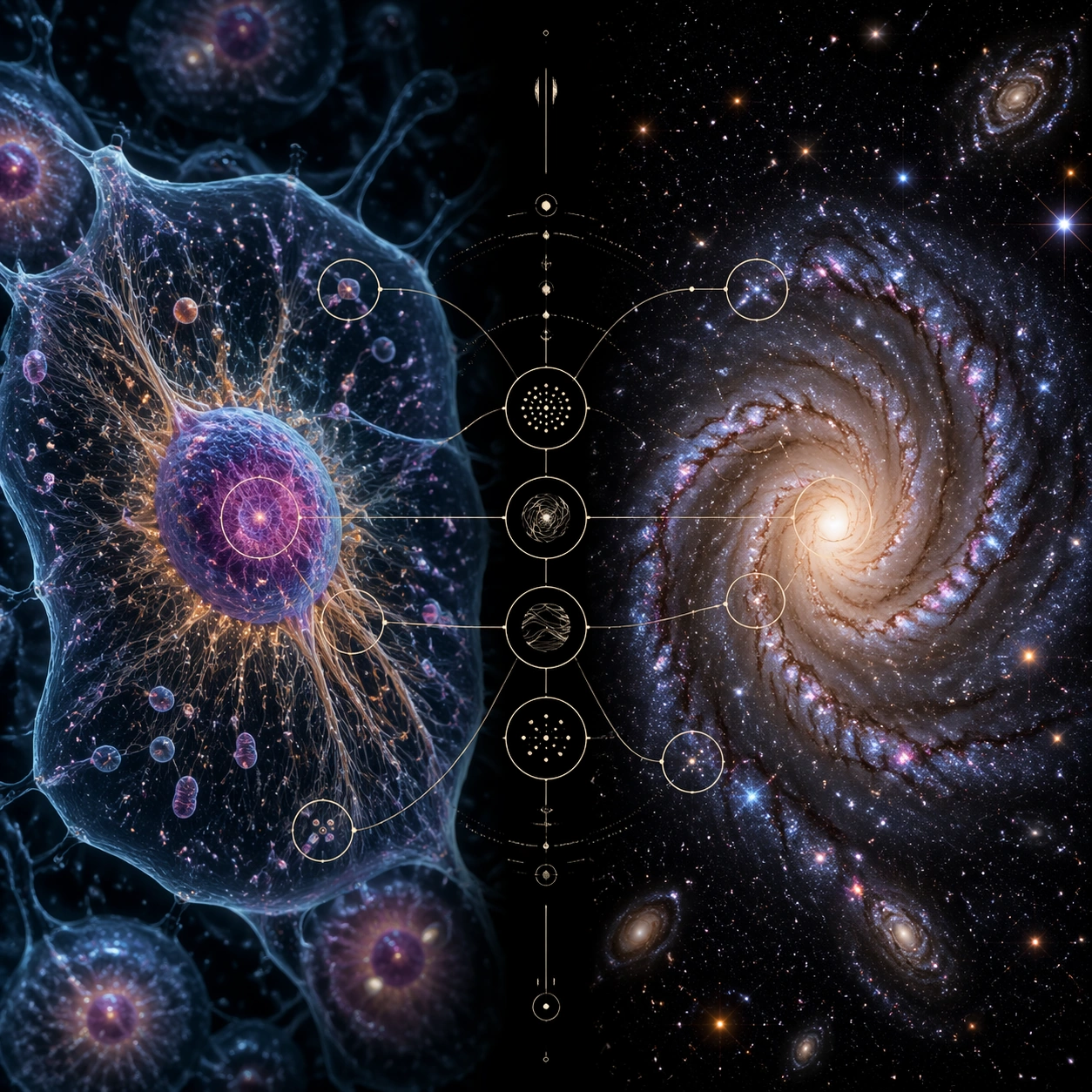
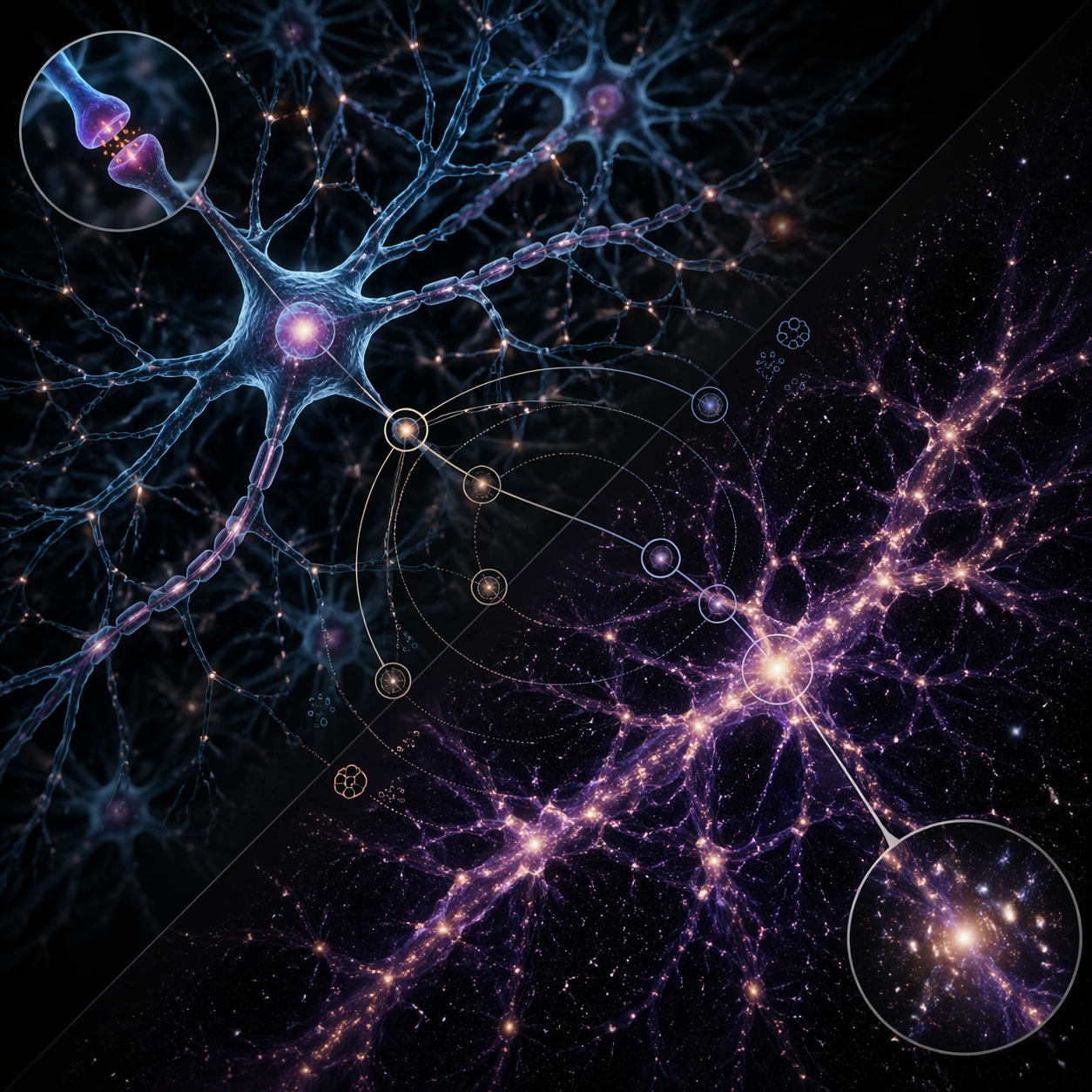
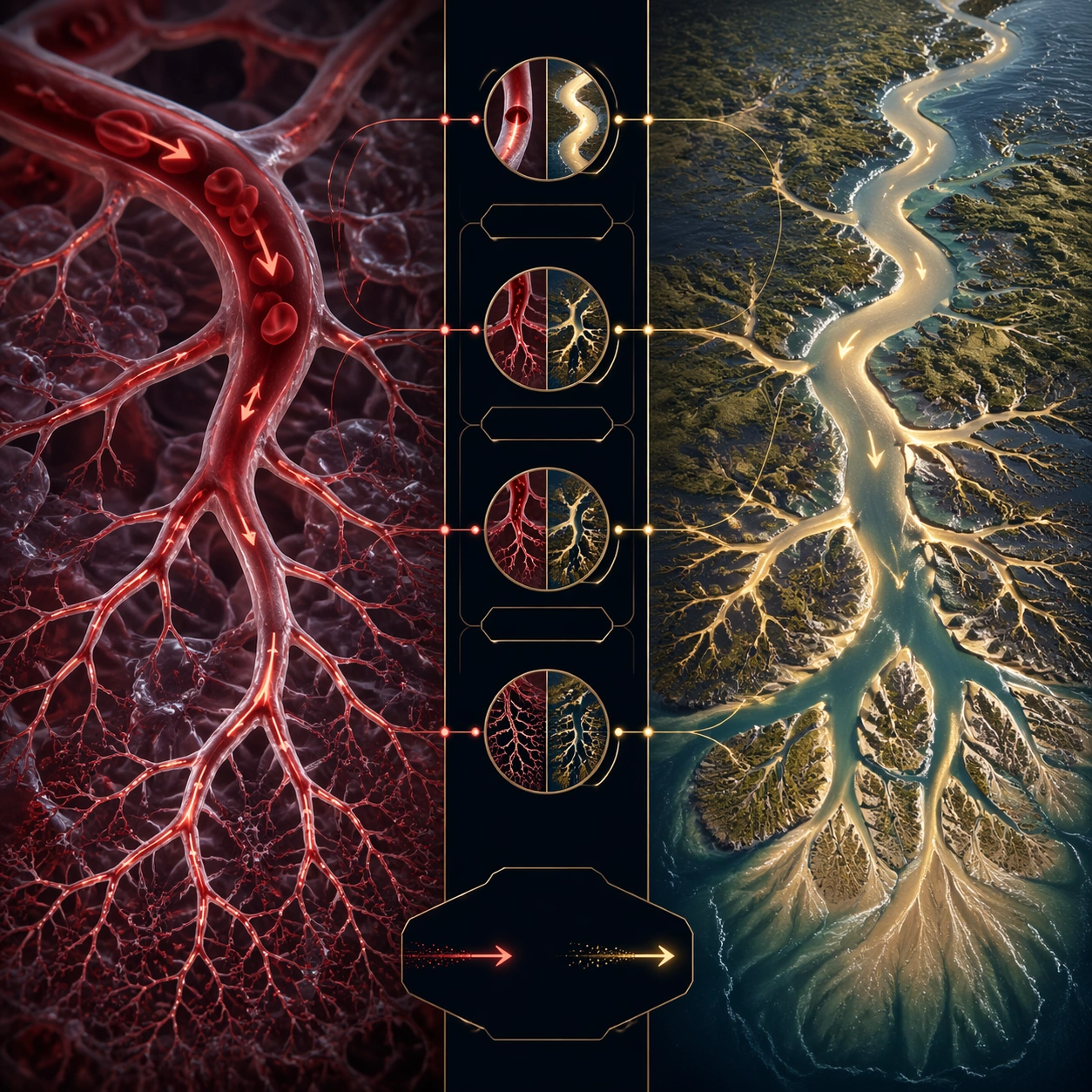
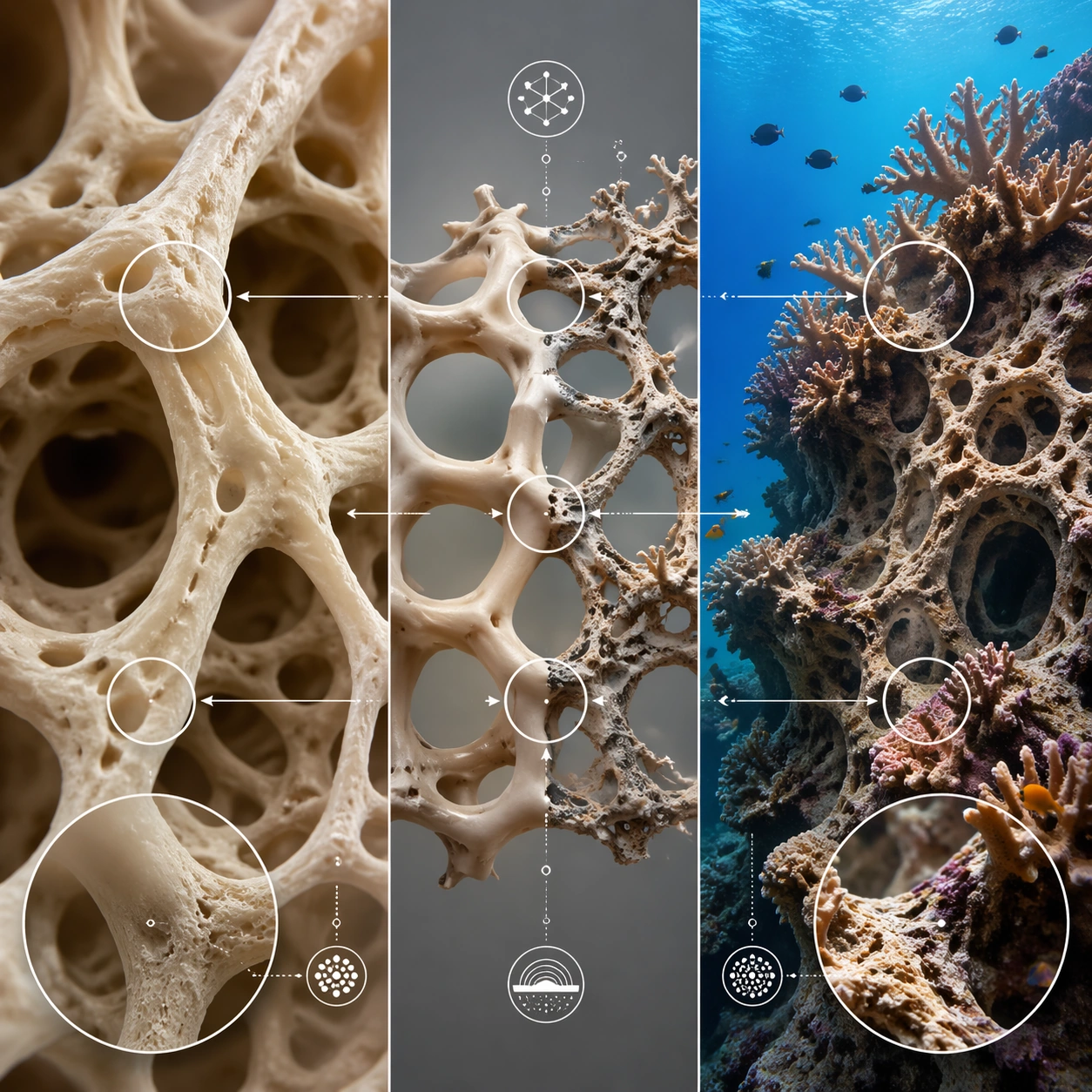
A square photorealistic science infographic with a soft studio-gray background and a balanced triptych structure: microscopic bone lattice on the left, central transition column, coral reef architecture on the right. The layout uses thin white dividers, translucent callout circles, and small non-readable glyph marks. Lighting is sculptural and tactile, emphasizing porous material surfaces.

Subject:
Left panel: trabecular bone seen at high magnification, with ivory struts, porous cavities, subtle mineral grain, and realistic shadowing. Right panel: a coral reef wall photographed underwater, with branching coral, porous limestone, small fish silhouettes, and blue water depth. The central transition column blends the two structures as matched load-bearing lattices, showing how voids and struts create strength and habitat.

Important details:
The comparison should be material-driven, not merely decorative. Match pore scale, branching angles, and light direction across both panels. The bone must not look like dead coral, and the coral must remain alive and underwater; the bridge is about architecture and porosity. Use small arrows and magnifier circles to point at analogous voids, arches, and struts without text. Keep the composition calm, premium, and scientifically plausible.

Use case:
Micro-Macro Infographic single study 4/8, comparing trabecular bone structure with coral reef architecture and porous load paths.

Constraints:
No readable text, no watermark, no logos, preserve exact 1:1 aspect ratio, no gore, no medical diagnosis, no dead reef imagery, no fake labels, no chaotic aquarium scene, no low-detail sponge texture, no overlaid paragraphs.
使用方法
- 复制完整原始提示词,并保留其中的参数。
- 按需求替换主体、文字和构图要求。
- 在兼容的外部工具中使用,核对当前使用条件并检查结果。
开始前需了解
- 先确认是否需要参考图。标注兼容模型,不代表该示例由这个模型生成。
- 核对名称、数字与画面文字;不同模型版本的结果可能不同。