Oryginalny dokument
GPT Image 2 · en
Scene:
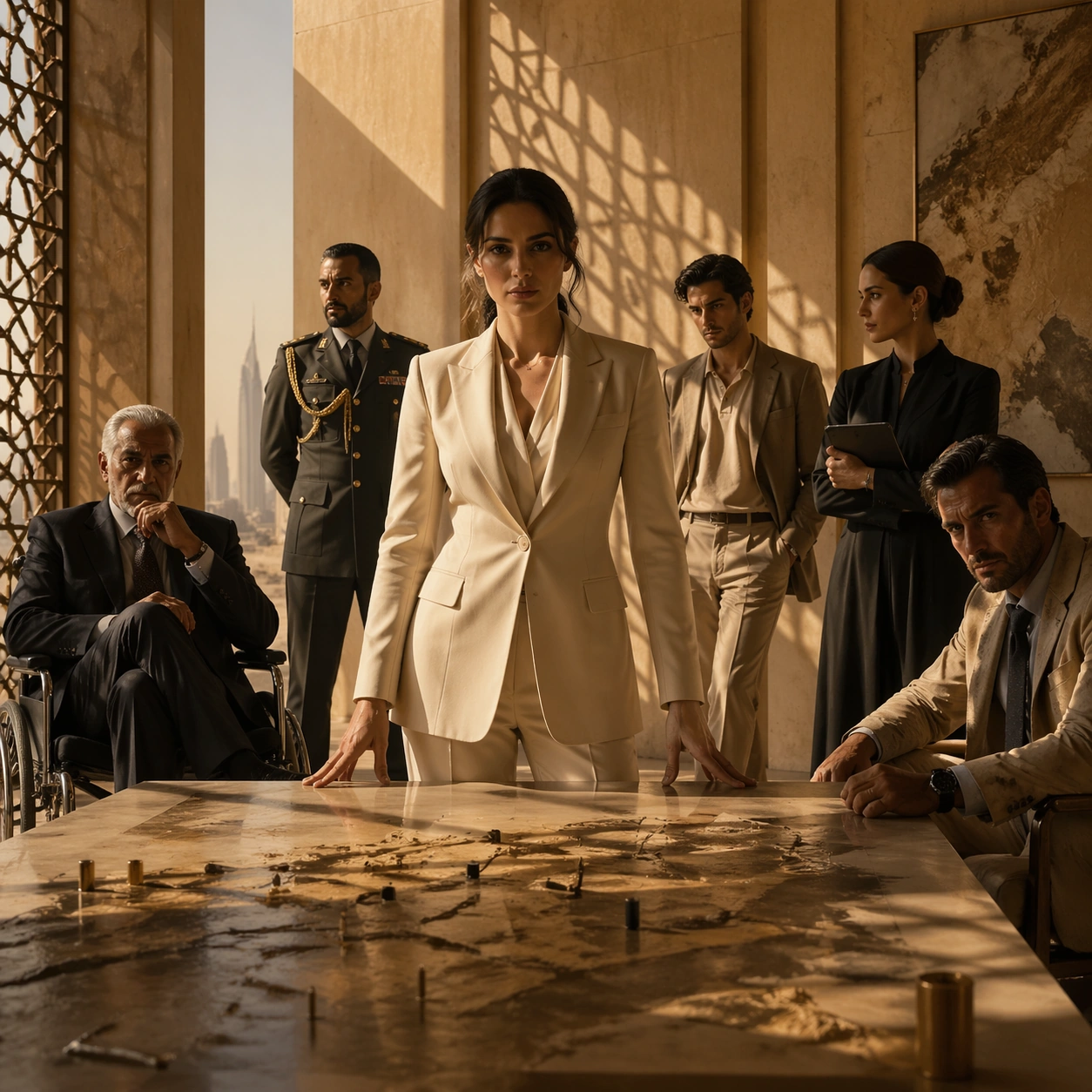
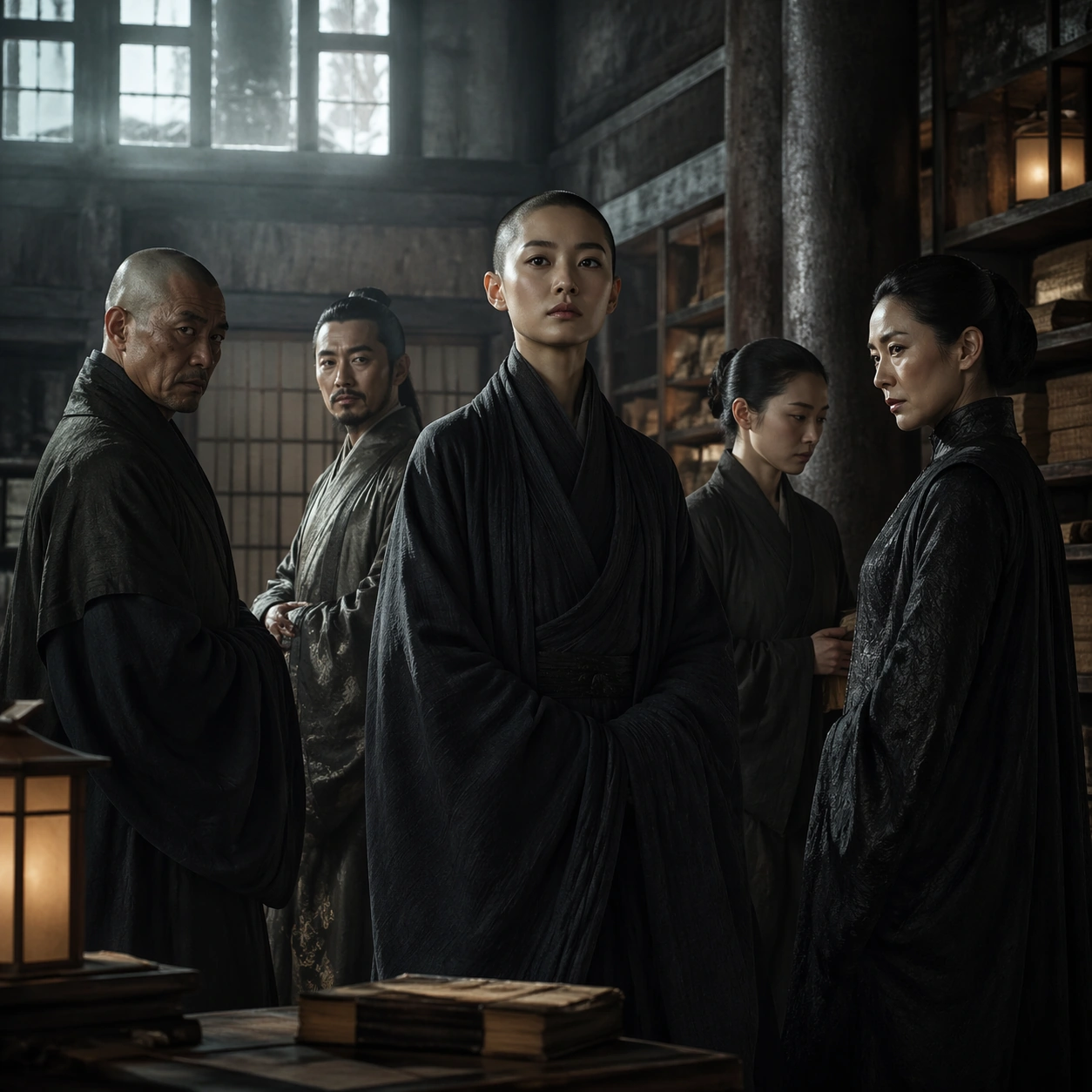
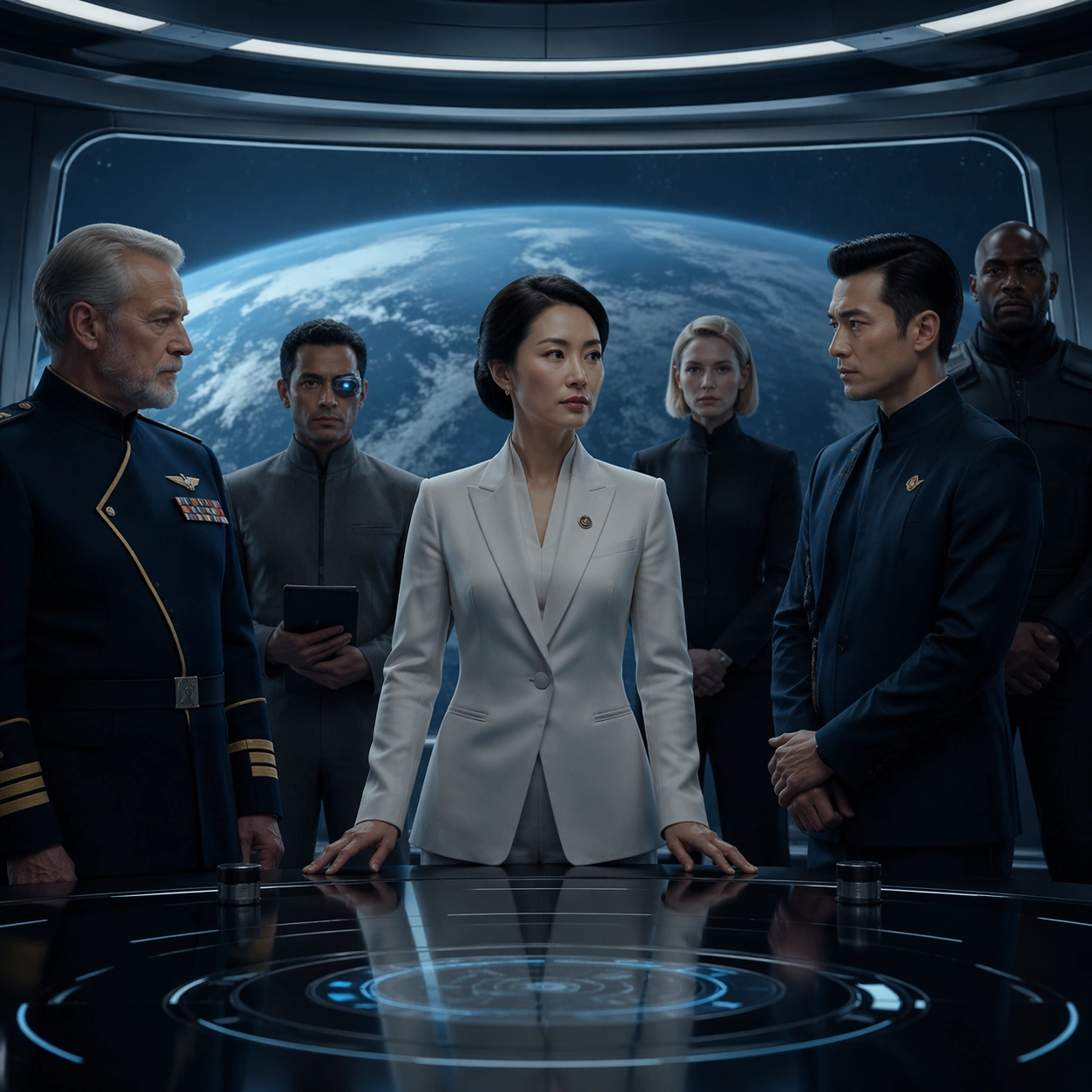
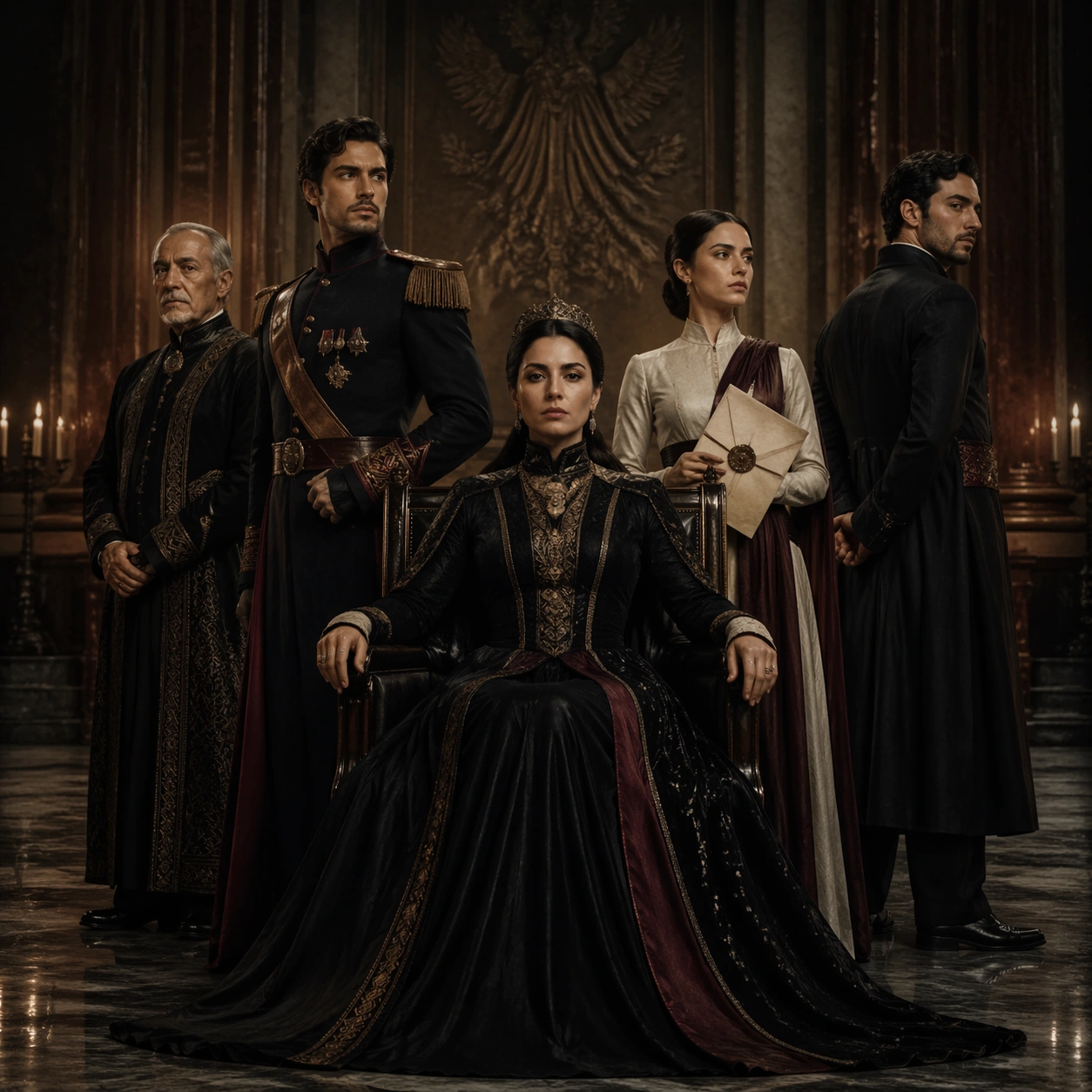
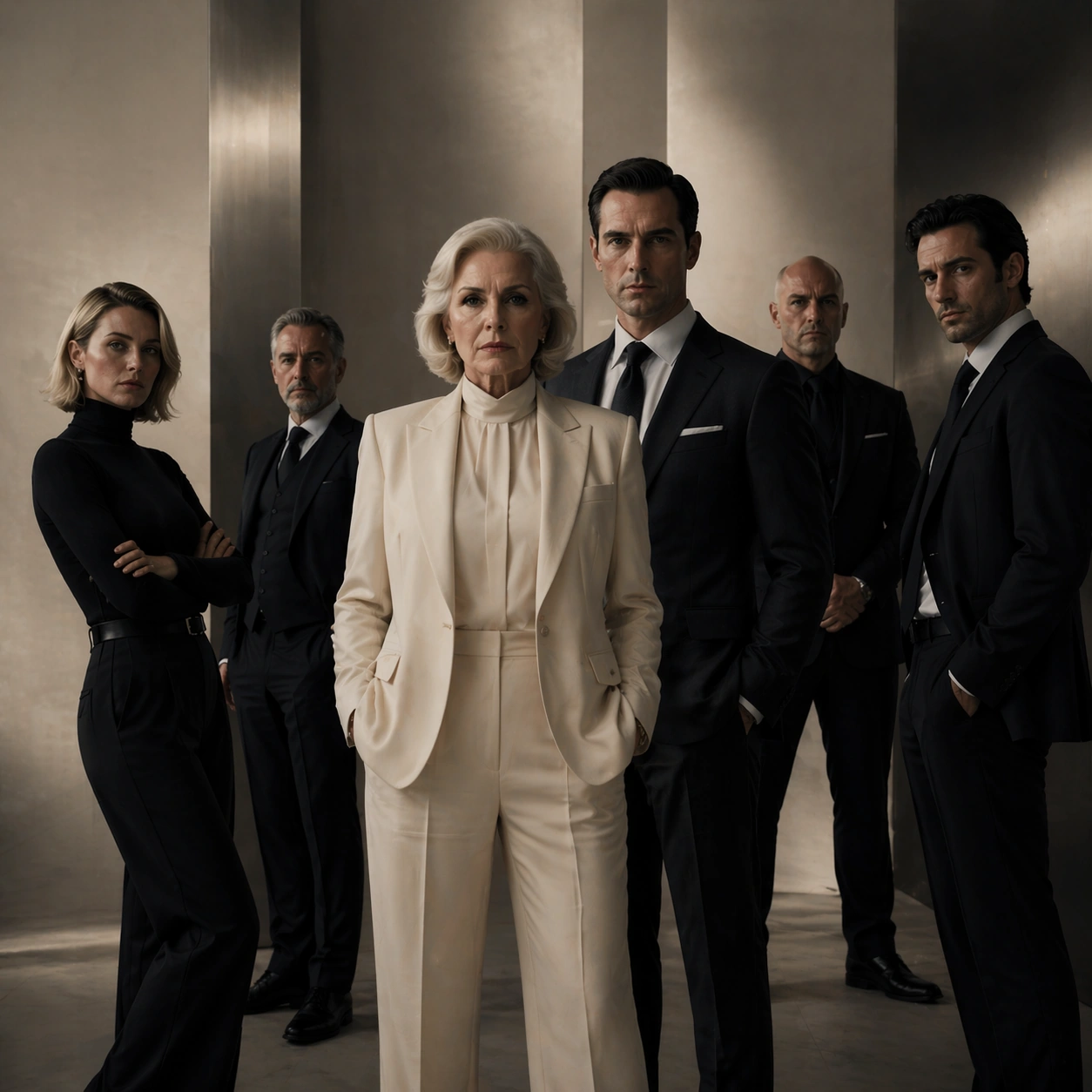
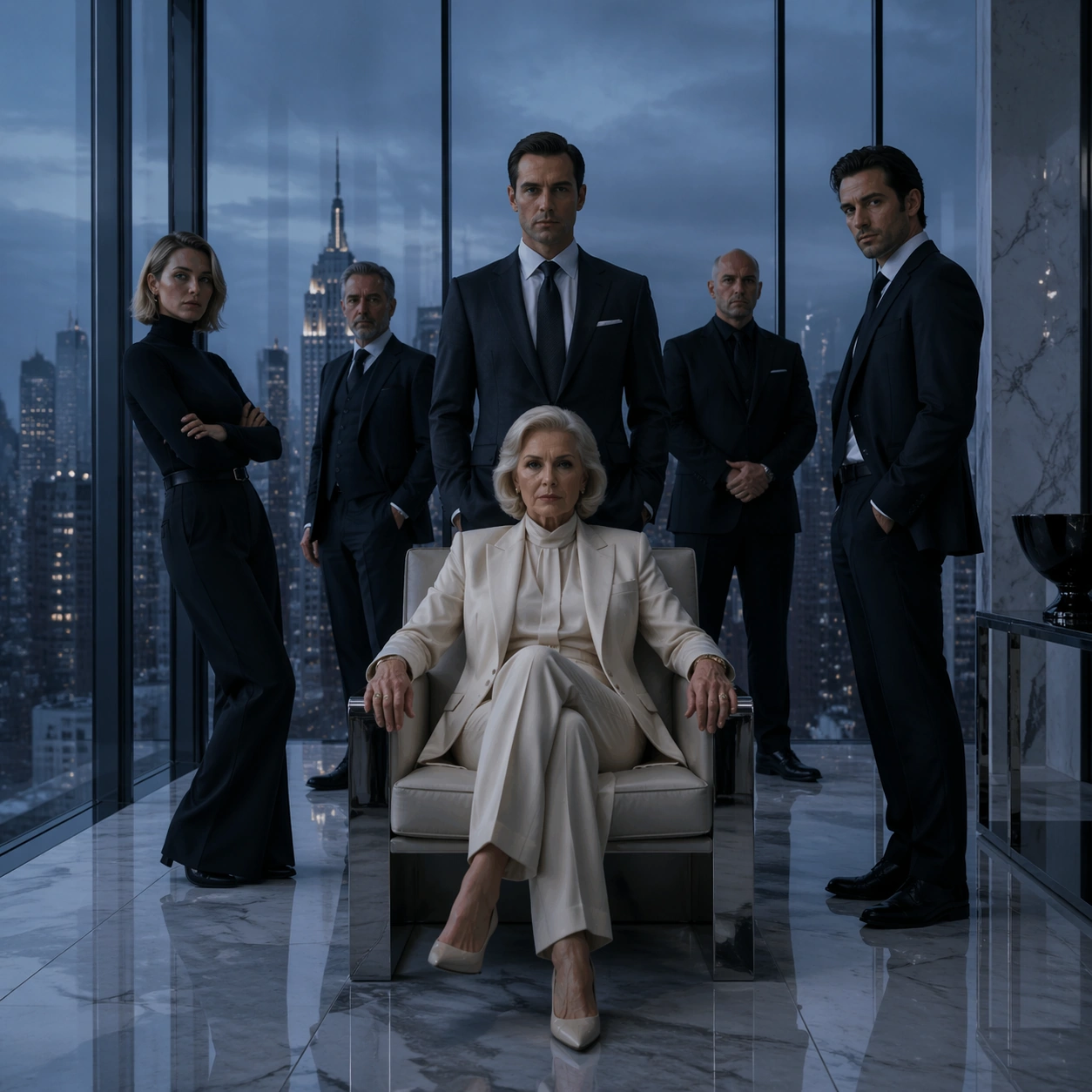
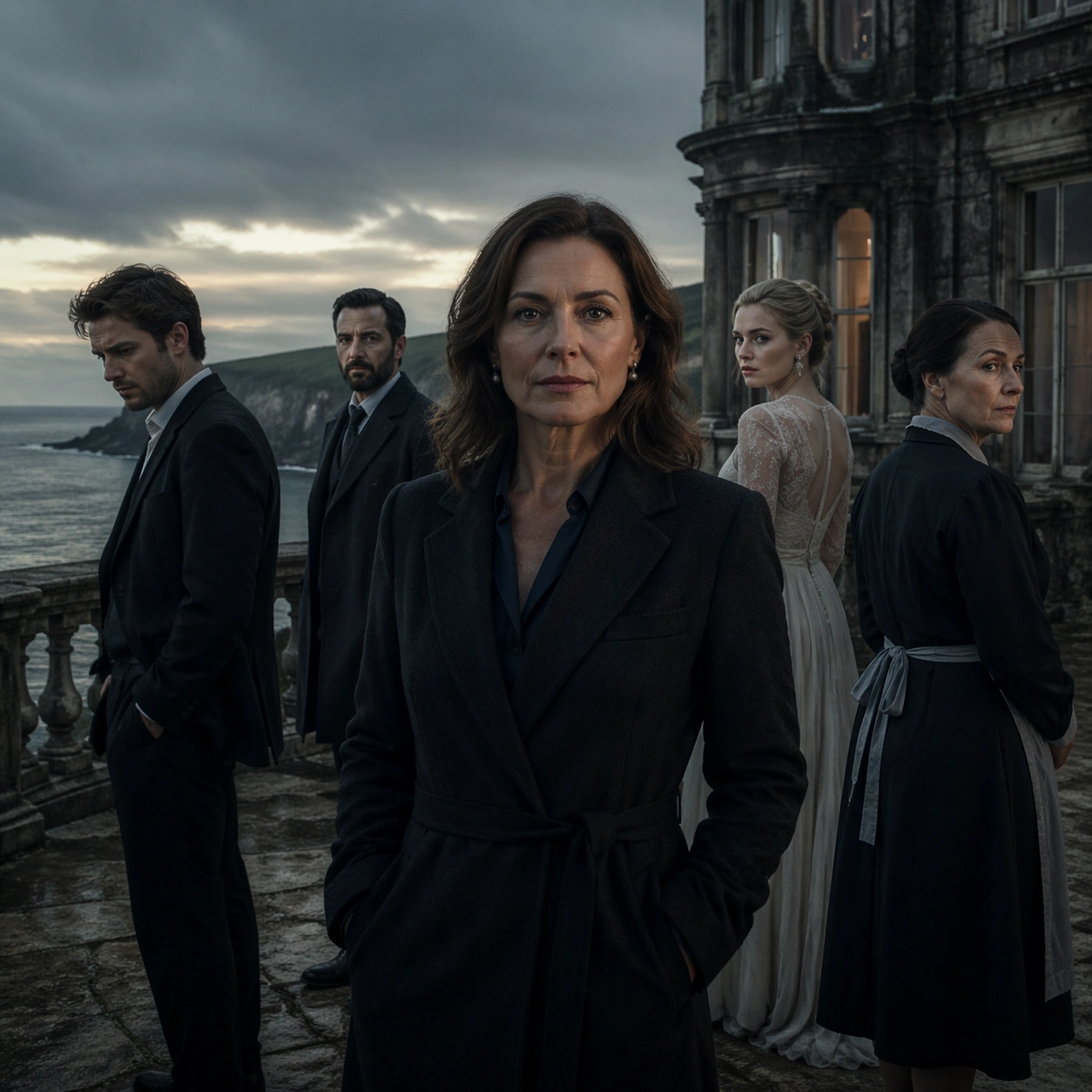
A square prestige-streaming key art image on the terrace of a decaying coastal estate at overcast dusk. Sea mist, weathered stone, slate-blue water, and dim interior lamps create a restrained gothic atmosphere without turning supernatural. The composition should feel expensive and carefully art-directed, like a premium ensemble mystery limited series intended for platform homepages and awards-season press kits.

Subject:
Create a fictional ensemble of five suspects linked by an old disappearance. At the center stands a composed middle-aged woman in a dark tailored coat, clearly the lead and emotional anchor. Around her are a younger brother with exhausted wealth, a local detective in plain dark wool, an elegant outsider bride with unreadable motives, and a housekeeper who has seen everything but reveals nothing. Arrange them so the lead is central while the others create asymmetrical tension through distance, half-turns, and withheld eye contact. Every face should feel specific, weathered, and capable of carrying a long-form mystery drama.

Important details:
The success condition is campaign-grade suspicion, not horror. Use architectural lines, sea horizon, and subtle depth separation to make the relationships legible. Keep costumes grounded, tasteful, and regionally believable. The image must look like a serious ensemble key art poster without relying on text or obvious crime-scene props. Preserve strong thumbnail readability and a refined prestige-series finish.

Use case:
Prestige TV Key Art Remix single study 9/9, testing a coastal mystery ensemble in premium key art form.

Constraints:
No readable text, no watermark, no logos, preserve exact 1:1 aspect ratio, no ghost effects, no jump-scare horror cues, no police tape, no melodramatic storm action, no cluttered prop table.
Jak używać
- Skopiuj cały oryginalny prompt wraz z parametrami.
- Dostosuj temat, tekst i kompozycję do swoich potrzeb.
- Użyj zgodnego narzędzia zewnętrznego; sprawdź warunki dostępu i wynik.
Przed rozpoczęciem
- Sprawdź, czy potrzebny jest obraz referencyjny. Zgodność nie potwierdza modelu użytego do przykładu.
- Sprawdź nazwy, liczby i napisy; wyniki zależą od wersji modelu.