Museum Exploded View — Bilingual Museum Plate

Museum Exploded View — Bilingual Museum Plate

Original document

GPT Image 2 · en

Scene:
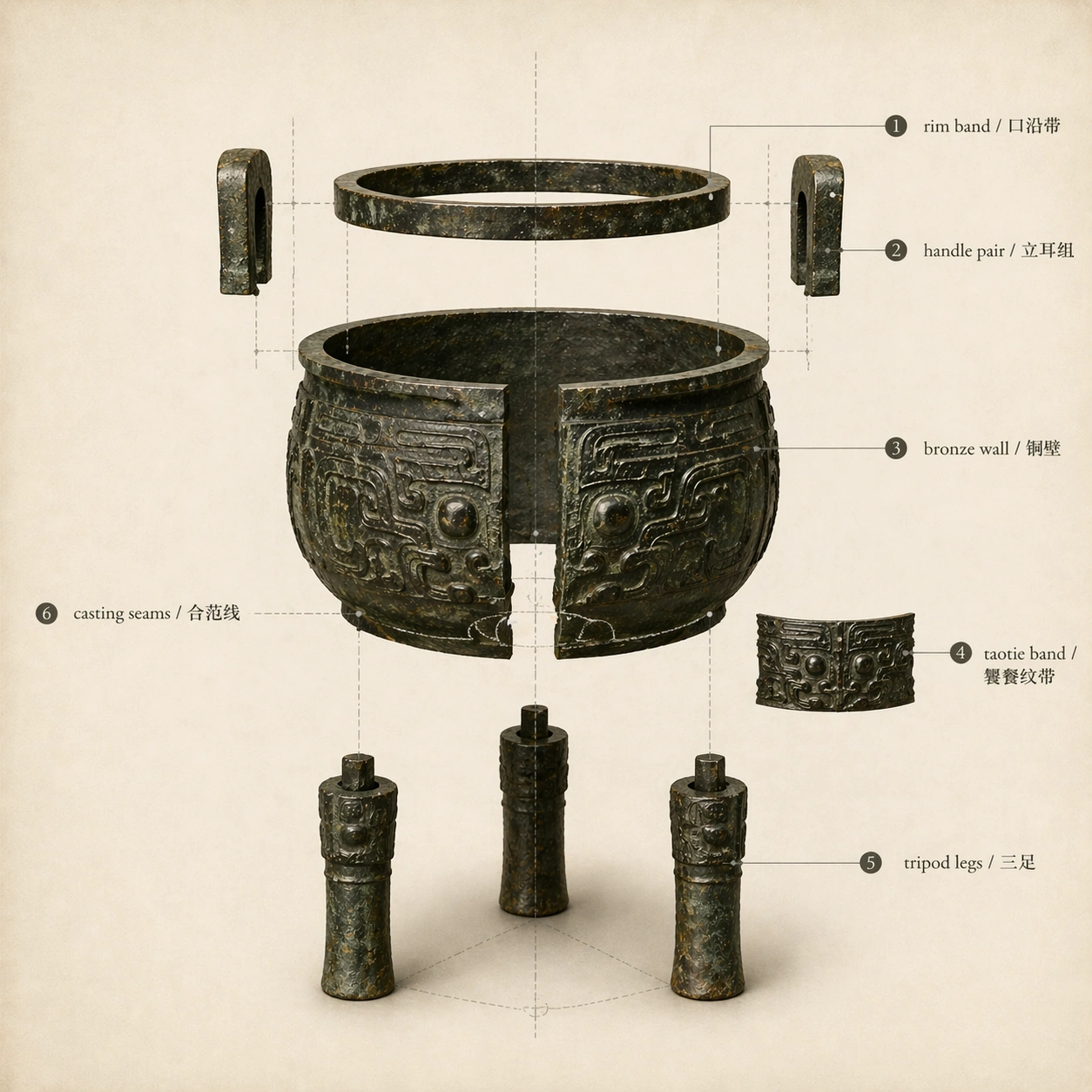
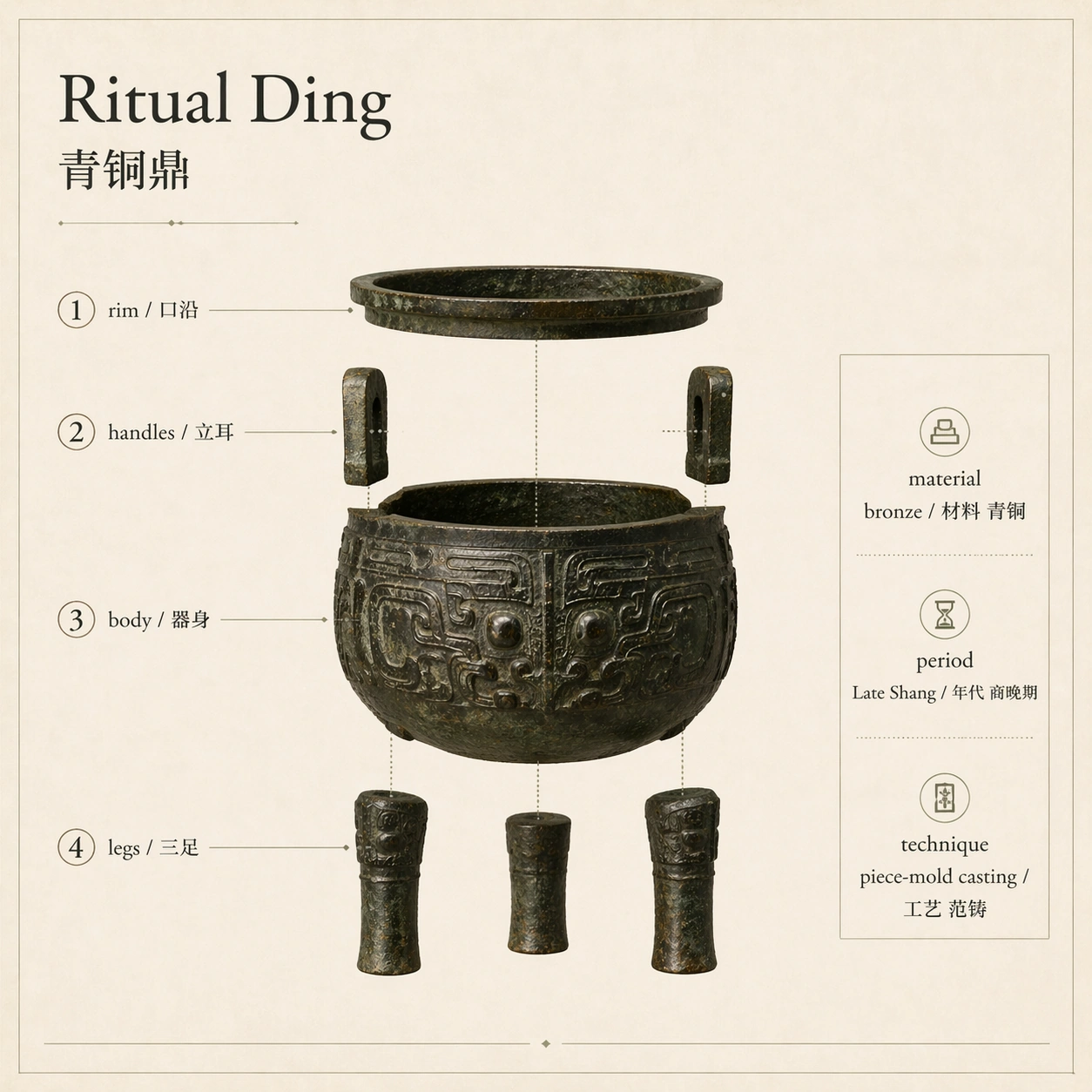
Use the reference bronze ding as the source and produce a finished square museum exhibition plate that combines exploded object, conservation notes, and bilingual captions. The layout is precise and calm: object diagram in the center, numbered callout column on the left, material and period panel on the right, and a thin ruled footer. Use warm ivory paper, graphite lines, muted bronze greens, and museum-quality typography.

Subject:
Show the same bronze ding in a compact exploded presentation with numbered callouts. Include only these readable bilingual labels: 1 rim / 口沿, 2 handles / 立耳, 3 body / 器身, 4 legs / 三足, material bronze / 材料 青铜, period Late Shang / 年代 商晚期, technique piece-mold casting / 工艺 范铸. The layout should make the object, labels, and information panels feel like one finished gallery interpretive graphic.

Important details:
This image tests complex multi-region composition. Keep numbered markers near the correct parts, preserve the artifact silhouette from image 01, and make the text hierarchy clear: object name largest, callouts medium, material panel smaller but readable. Avoid visual competition between labels and ornament. The diagram must look professionally typeset, not like scattered annotations.

Use case:
Museum Exploded View series study 4/8, creating a bilingual museum plate from the reference artifact and exploded-view logic.

Constraints:
No readable text except the specified bilingual labels, no watermark, no logos, preserve exact 1:1 aspect ratio, no fake accession number, no extra paragraphs, no incorrect numbering, no garbled Chinese, no crowded callout collisions.

How to use

  1. Copy the complete original prompt, including any parameters.
  2. Replace the subject, text and composition with your own requirements.
  3. Use a compatible external tool; check its current access conditions and review the result.

Before you start

  • Check whether a reference image is required. A compatible model label does not mean this example was generated with that model.
  • Keep names, figures and visible text accurate; results can vary between model versions.
More like this

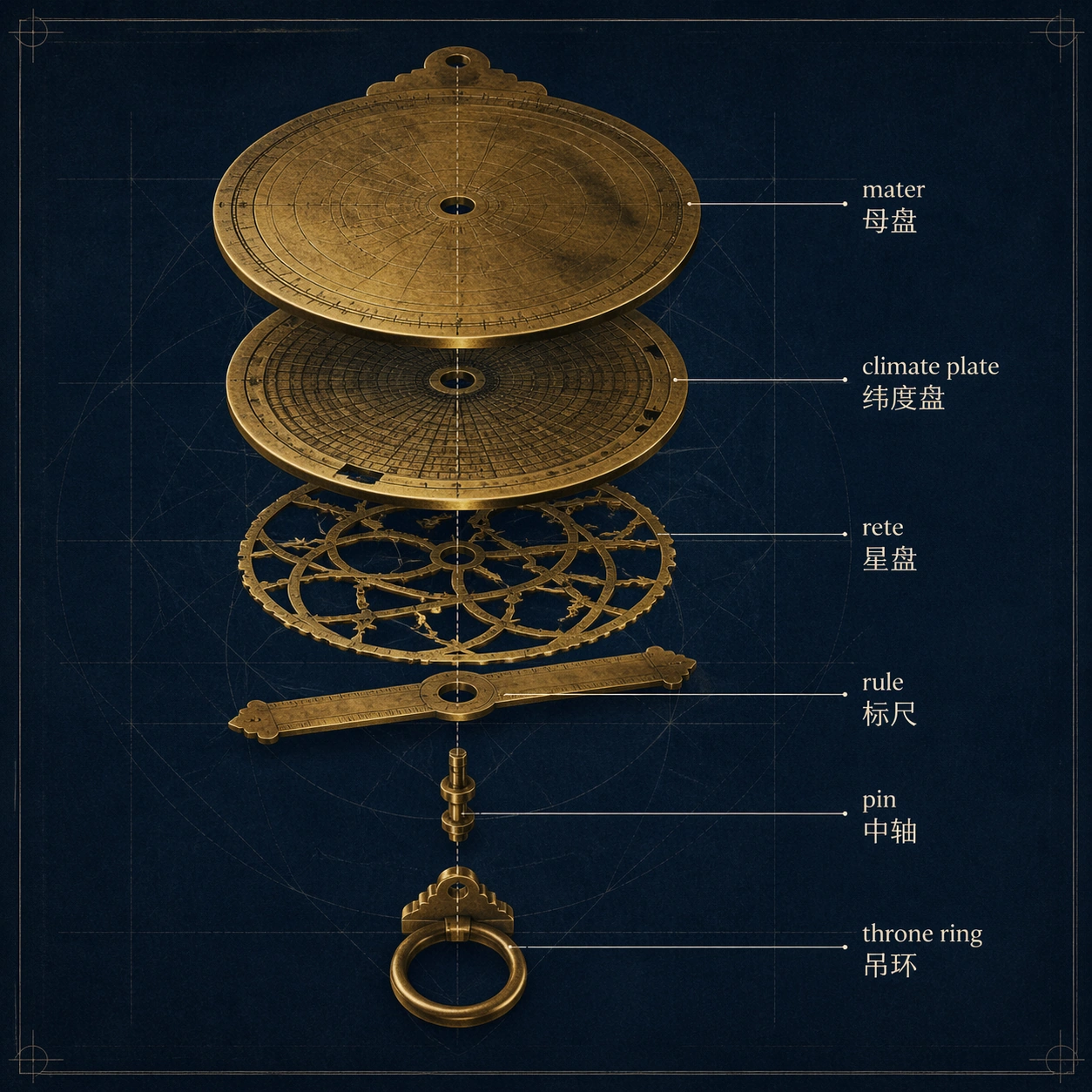
Museum Exploded View — Astrolabe Mechanism
GPT Image 2en

Scene: A square technical museum diagram of a brass astrolabe on dark blue archival paper, viewed orthographically with a precise exploded stack. Use warm brass highlights, faint engraved geometry, crisp radial construction lines, and small bilingual callouts. The image should fe

Museum Exploded View — Exploded Ritual Vessel
GPT Image 2en

Scene: Use the reference image as the fixed artifact source, then convert it into a square museum exploded-view diagram on off-white archival paper. The camera is straight-on and orthographic, with faint construction axes, thin leader lines, and soft shadows below separated parts

Porcelain Vase Exploded Illustration — ChaosRealmsAI · MIT
GPT Image 2en

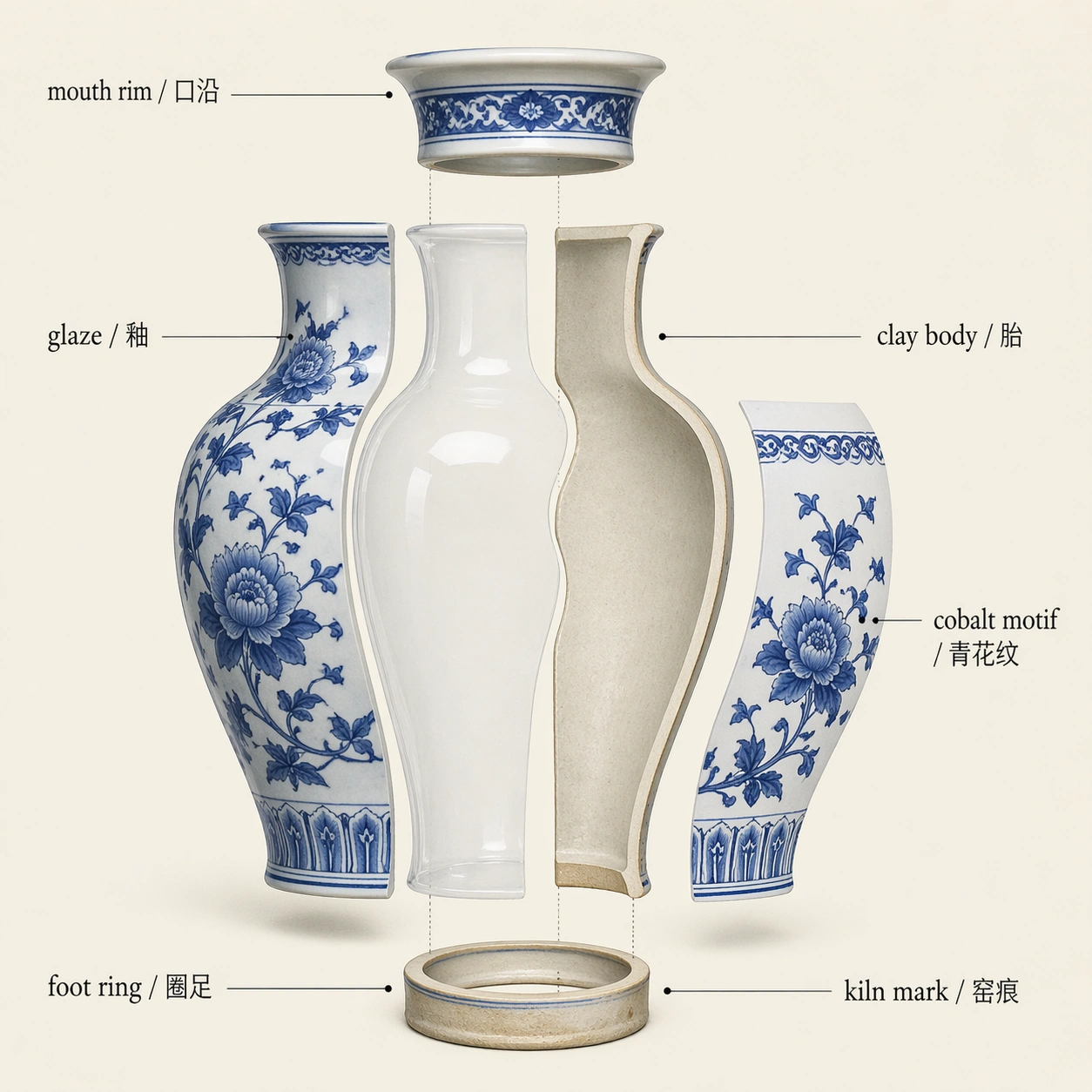
Scene: A square museum conservation diagram on pale cream paper, rendered as a clean orthographic exploded cutaway of a porcelain vase. Use bright but soft studio lighting, delicate blue-and-white ceramic color, graphite leader lines, and subtle drop shadows under separated layer

Museum Exploded View — Armored Helmet Layers
GPT Image 2en

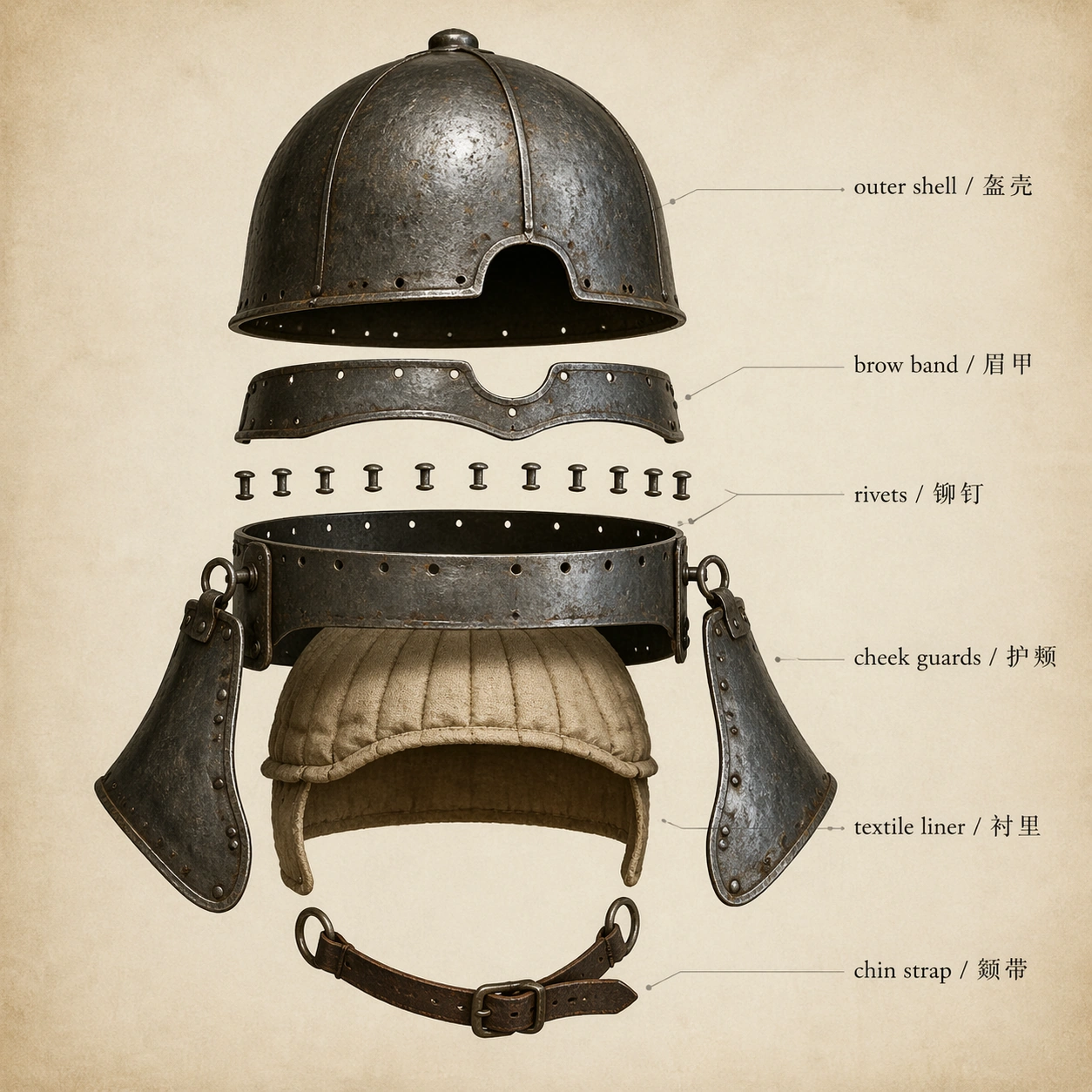
Scene: A square museum armory diagram on neutral parchment paper, rendered with orthographic precision and controlled dramatic light. The central object is an ancient layered helmet presented as an exploded vertical stack, with metal plates, padding, rivets, and cheek guards sepa

Museum Catalog Artifact Breakdown
GPT Image 2en

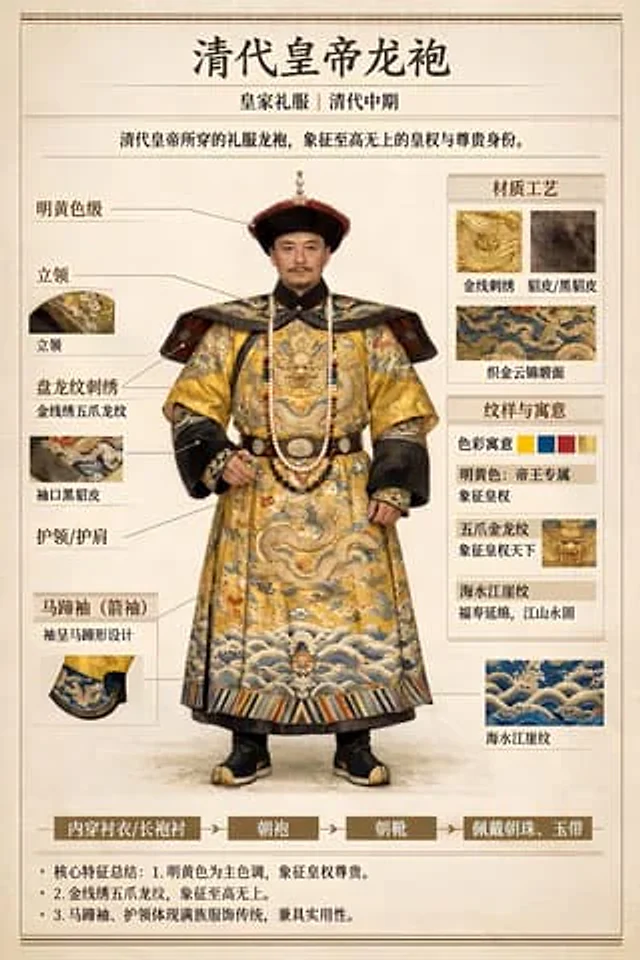
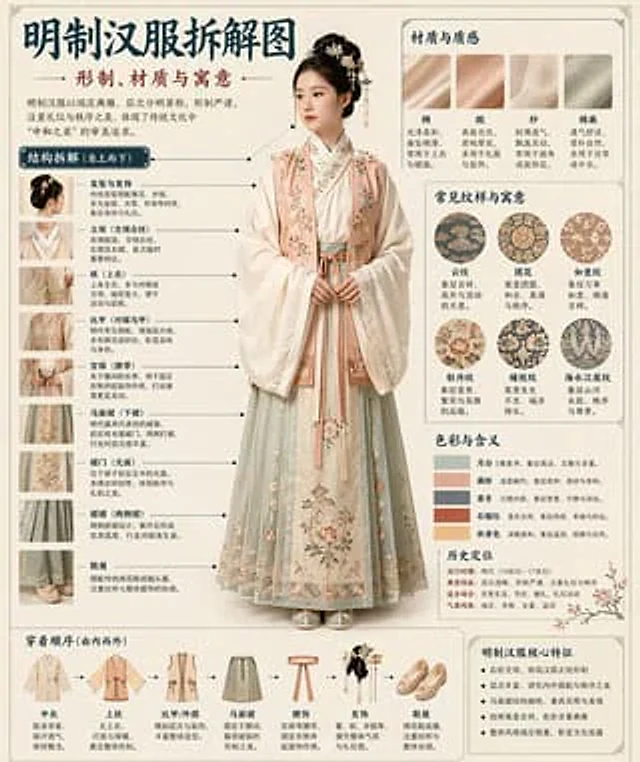
Please refer to{argument name="subject" default="Qing Dynasty Emperor's Dragon Robe"} Automatically generate a "museum-style illustrated Chinese infographic". The final image must include a realistic main visual, structural breakdown, Chinese annotations, material description

Museum Style Infographic Breakdown
GPT Image 2en

Please refer to [Theme:]{argument name="theme" default="Hanfu"} Automatically generate a "museum-style Chinese infographic." Requirements: The entire image must combine a realistic main visual, structural breakdown, Chinese annotations, material descriptions, pattern symbolism, c