Original document
GPT Image 2 · en
Scene:
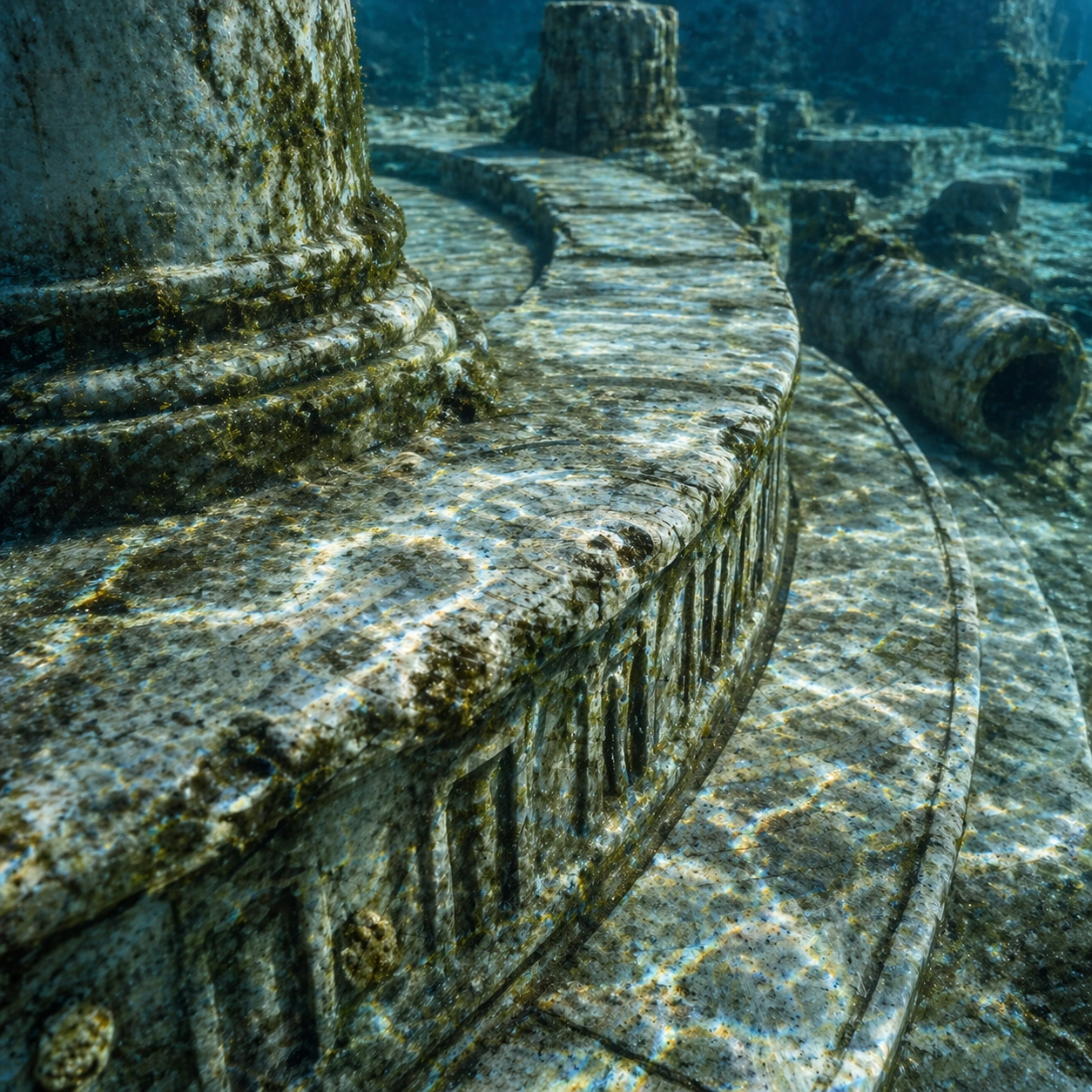
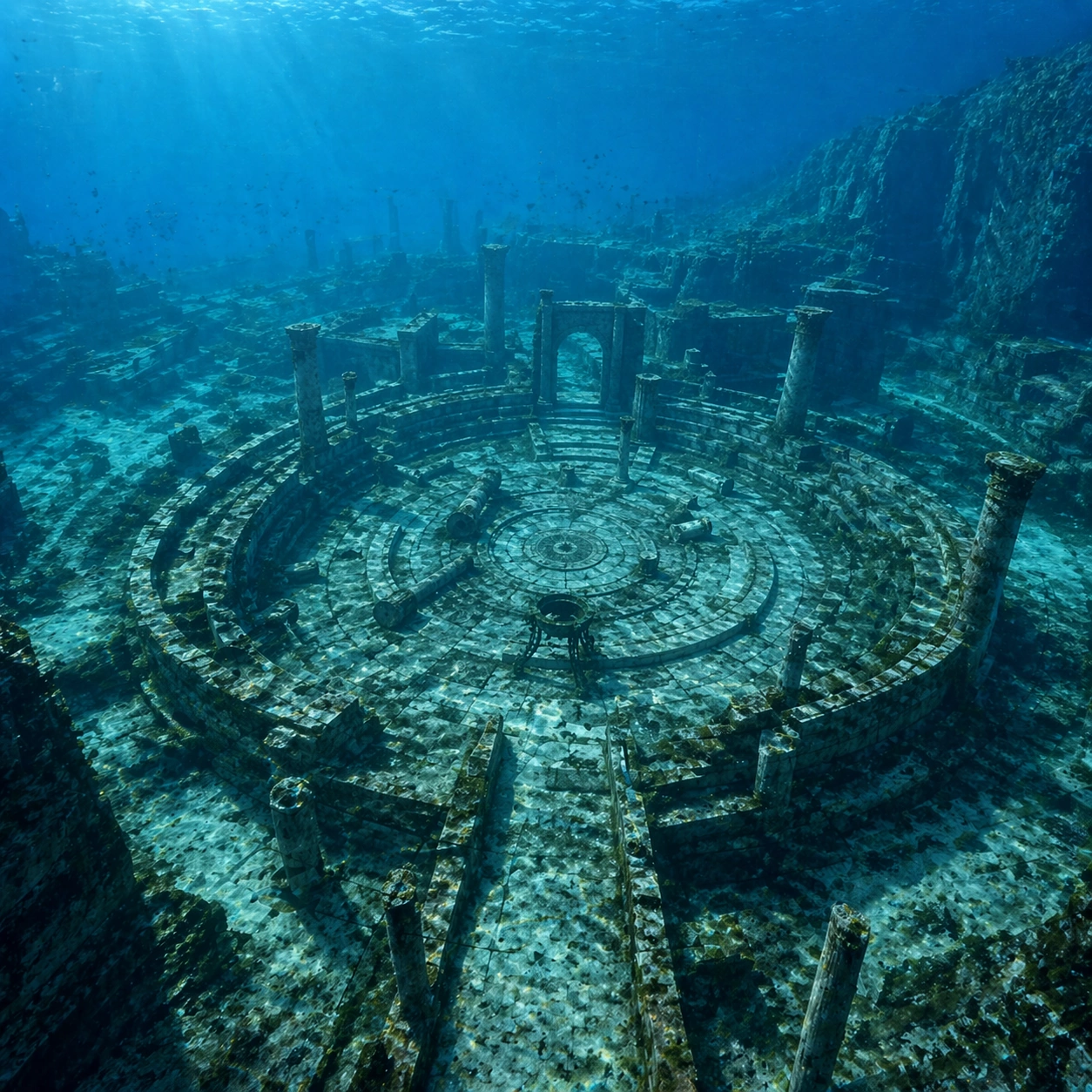
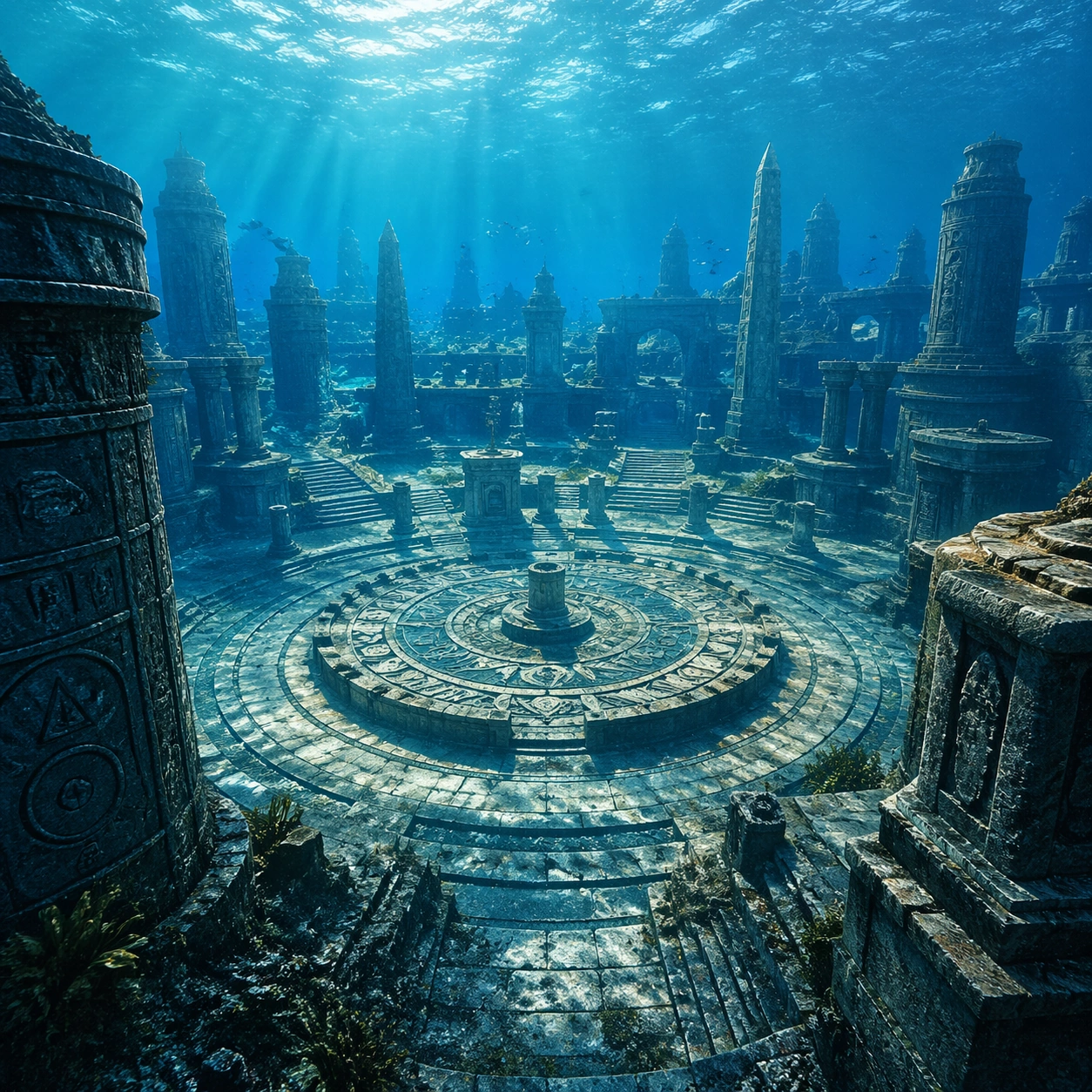
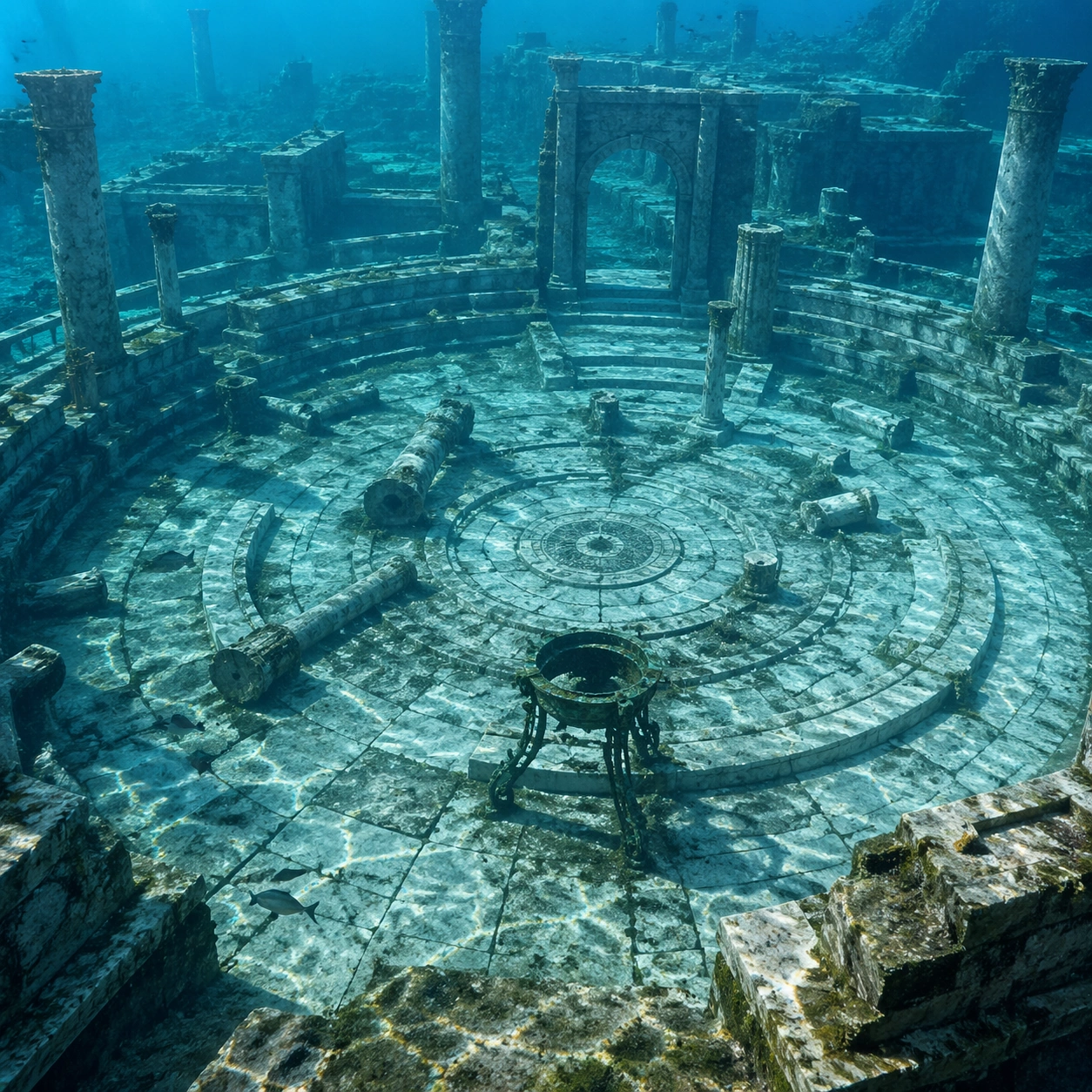
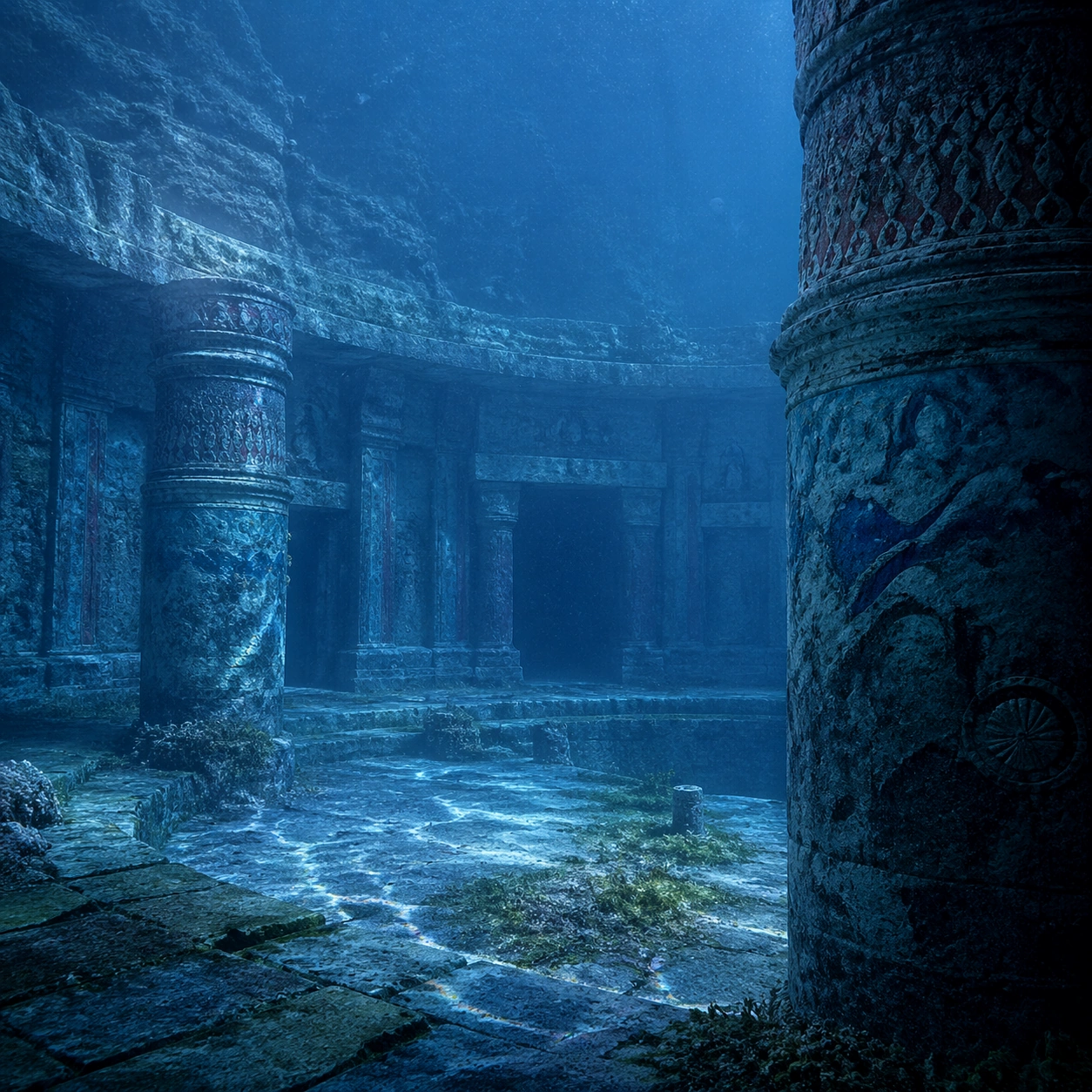
A square mood variation from the same civilization theme, built around deeper blue current conditions with softer visibility, denser suspended particles, and cooler caustic patterns across the same plaza. The image should stay grounded in field realism while testing how different illumination changes material reading, atmosphere, and emotional register. Keep the frame self-contained and coherent, as if photographed during a second visit under altered conditions.

Subject:
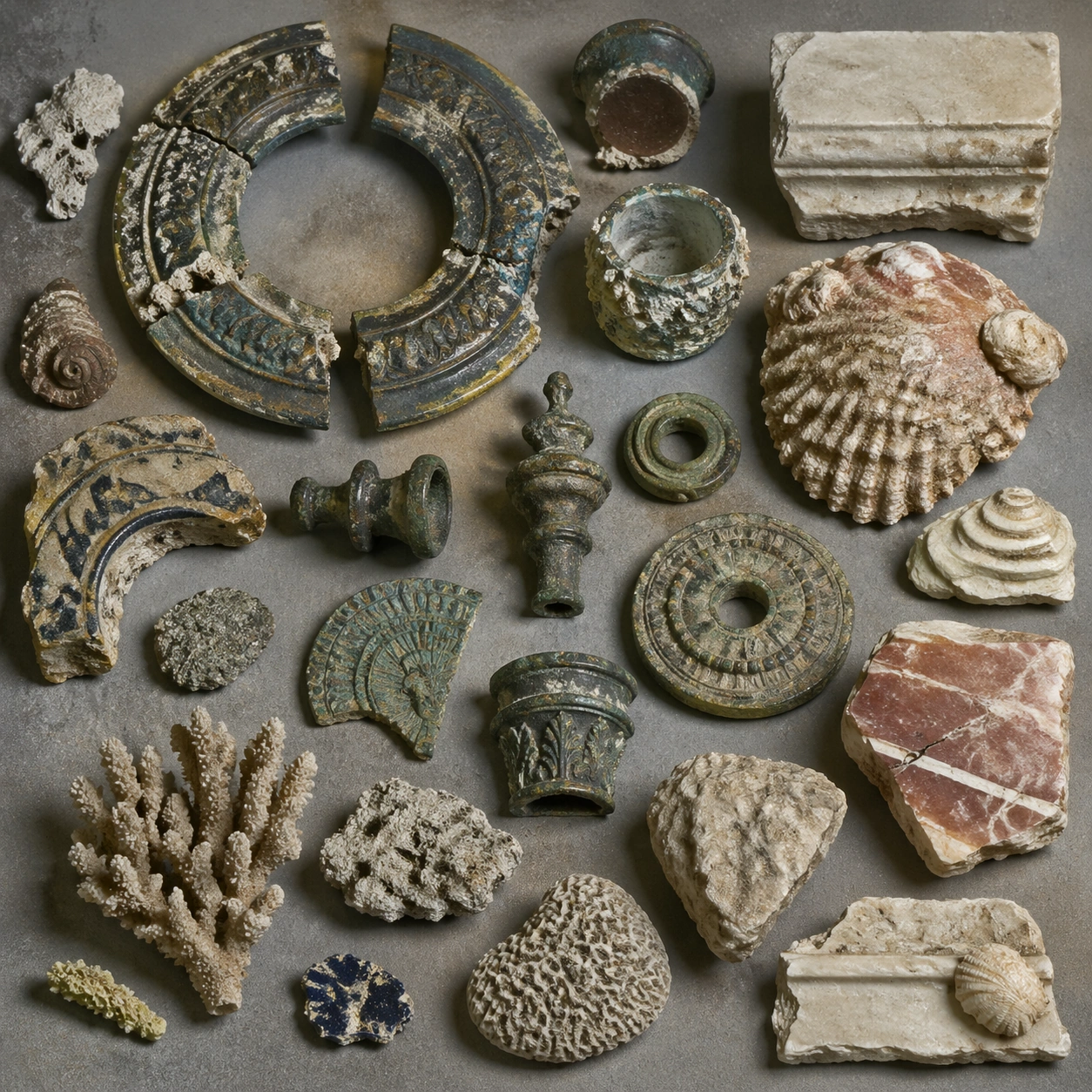
Show a culturally accurate site or interior connected to the same world as the main topic, but not as a direct dependency on the series reference. The focus should be on how light transforms relief, color, moisture, water, dust, or vegetation while preserving archaeological credibility. Architectural forms, objects, and setting must still belong to the same civilization with no cross-cultural contamination.

Important details:
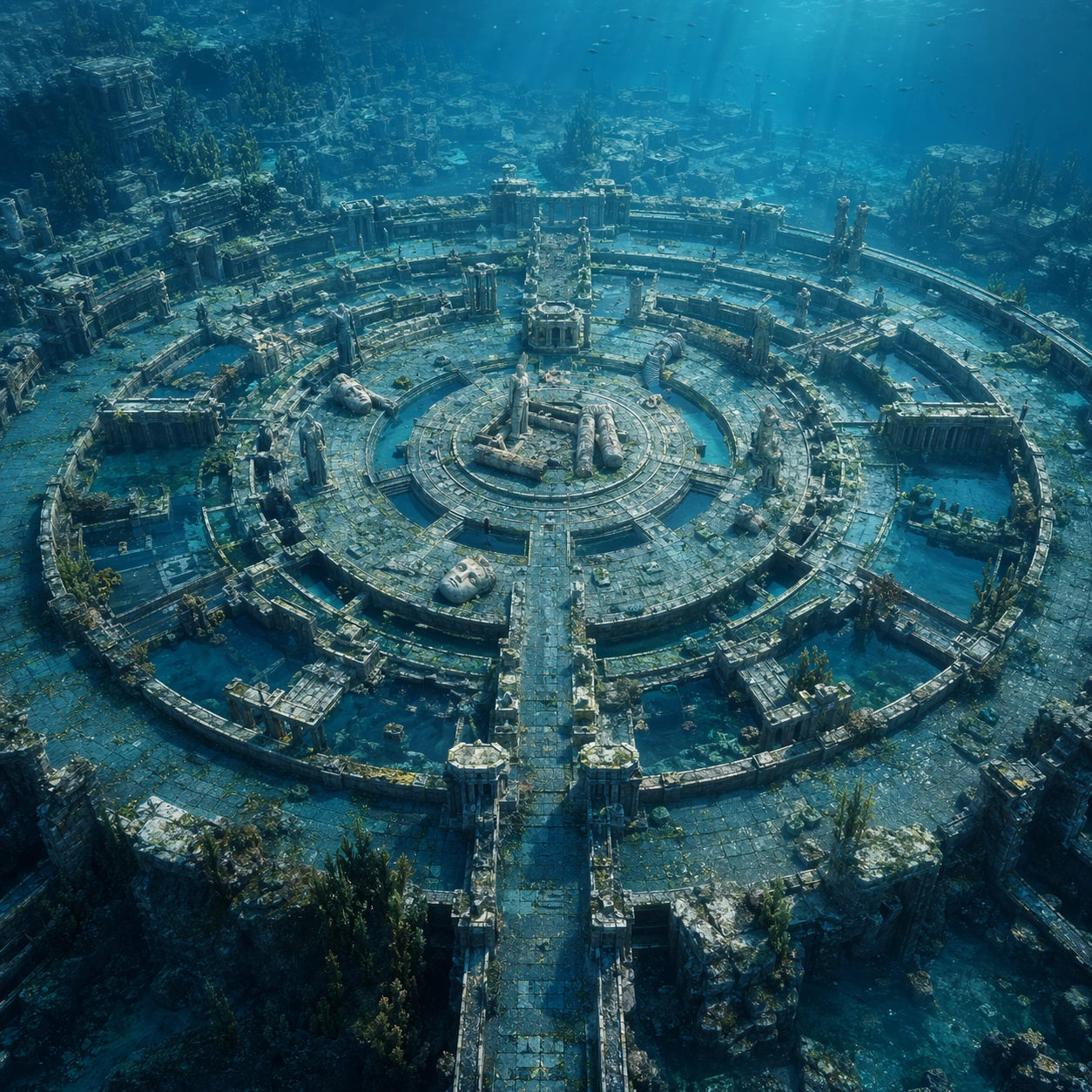
Keep the city logic disciplined and archaeological even though it is speculative: ring geometry, civic axes, hydrodynamic wear, and material aging should feel plausible rather than mythic excess. Use the shift in light to reveal different evidence than the other studies: pigment glow, root sheen, caustics, wet stone, canyon shadow, marine haze, terrace depth, or quarry moisture. Keep the result serious and observational rather than romanticized. Non-readable motifs are acceptable, but there should be no signs, captions, or modern display devices. The image should feel like a rigorous visual experiment in historical atmosphere.

Use case:
Atlantis Underwater Plaza single study 7/9.

Constraints:
No readable text, no watermark, no logos, preserve exact 1:1 aspect ratio, no mermaids, no glowing crystals, no submarines, no futuristic domes, no theatrical color filters, no supernatural effects, no montage composition, no glossy concept-art exaggeration.
How to use
- Copy the complete original prompt, including any parameters.
- Replace the subject, text and composition with your own requirements.
- Use a compatible external tool; check its current access conditions and review the result.
Before you start
- Check whether a reference image is required. A compatible model label does not mean this example was generated with that model.
- Keep names, figures and visible text accurate; results can vary between model versions.