详细说明
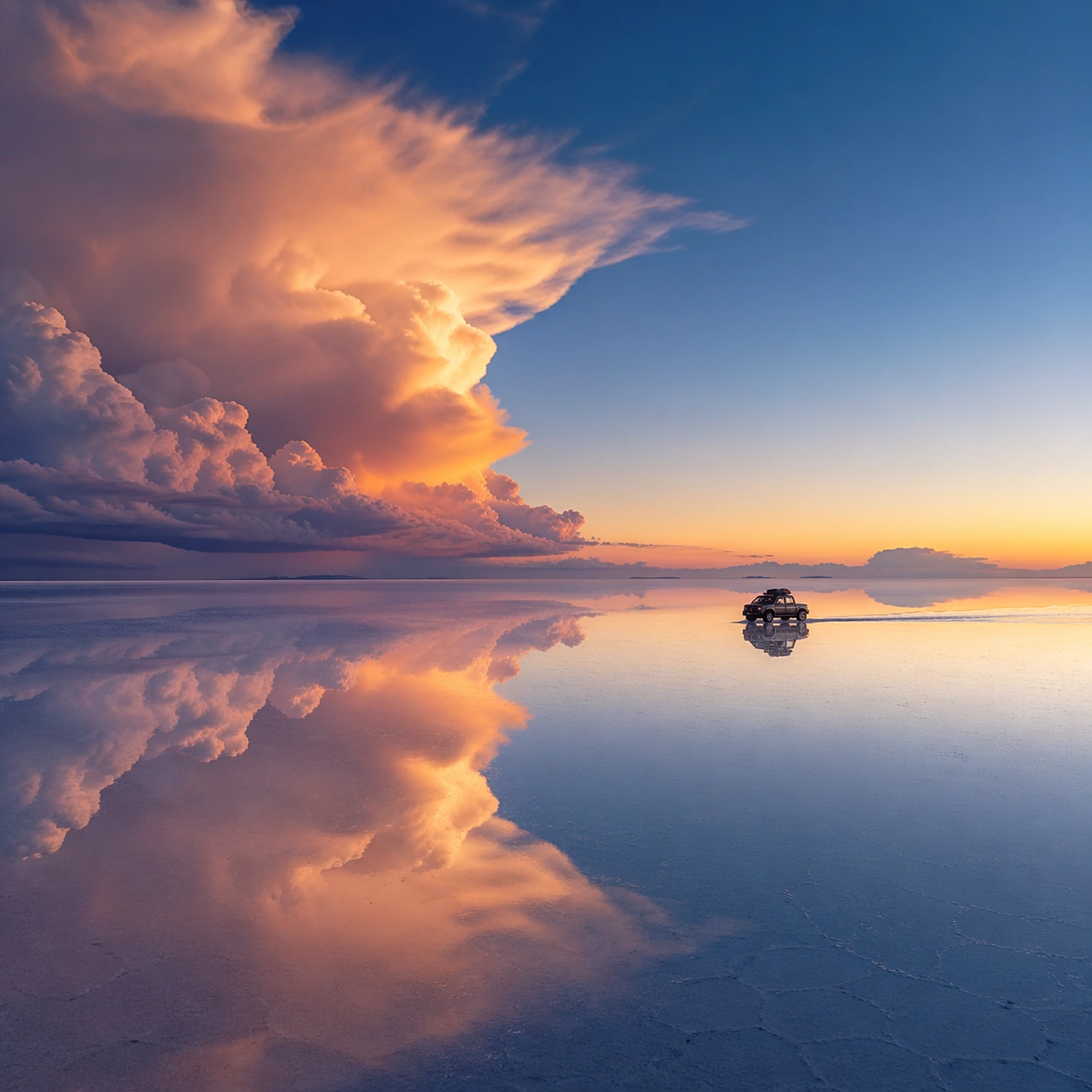
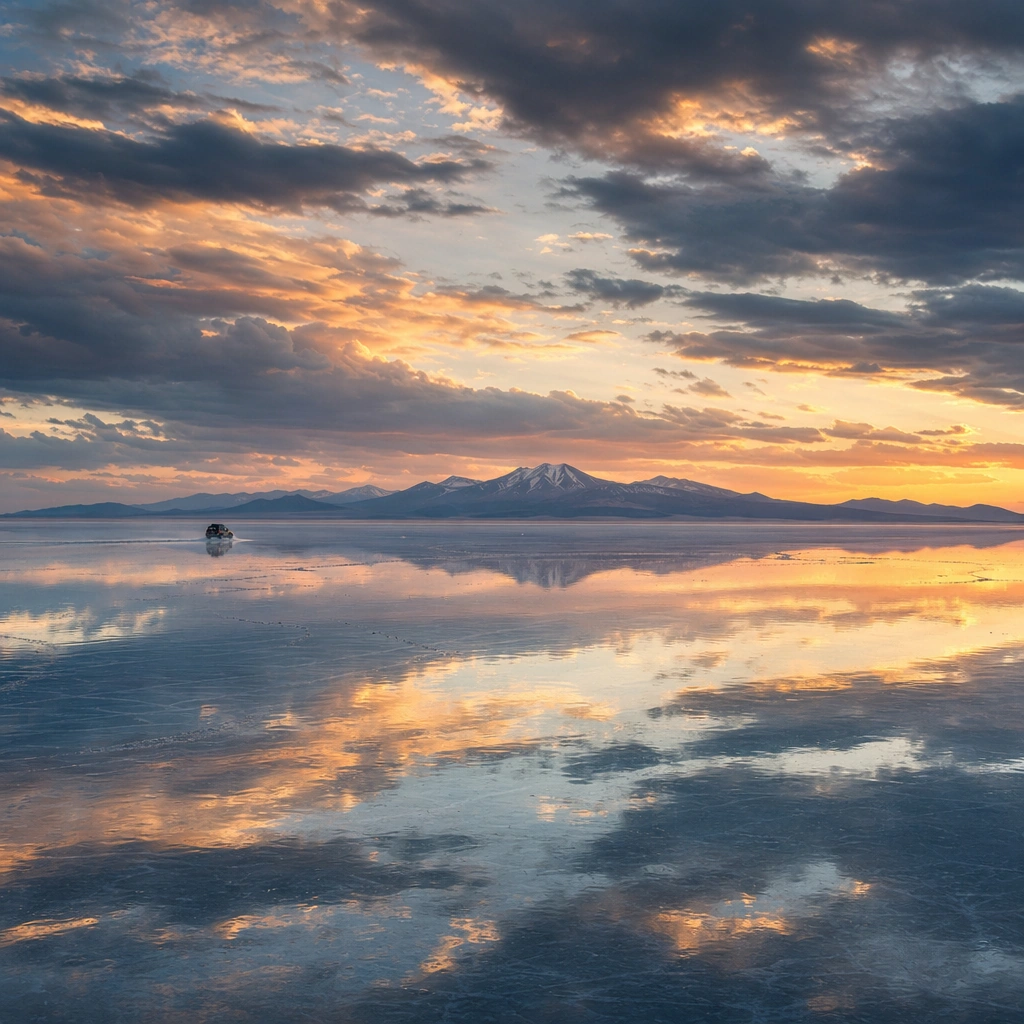
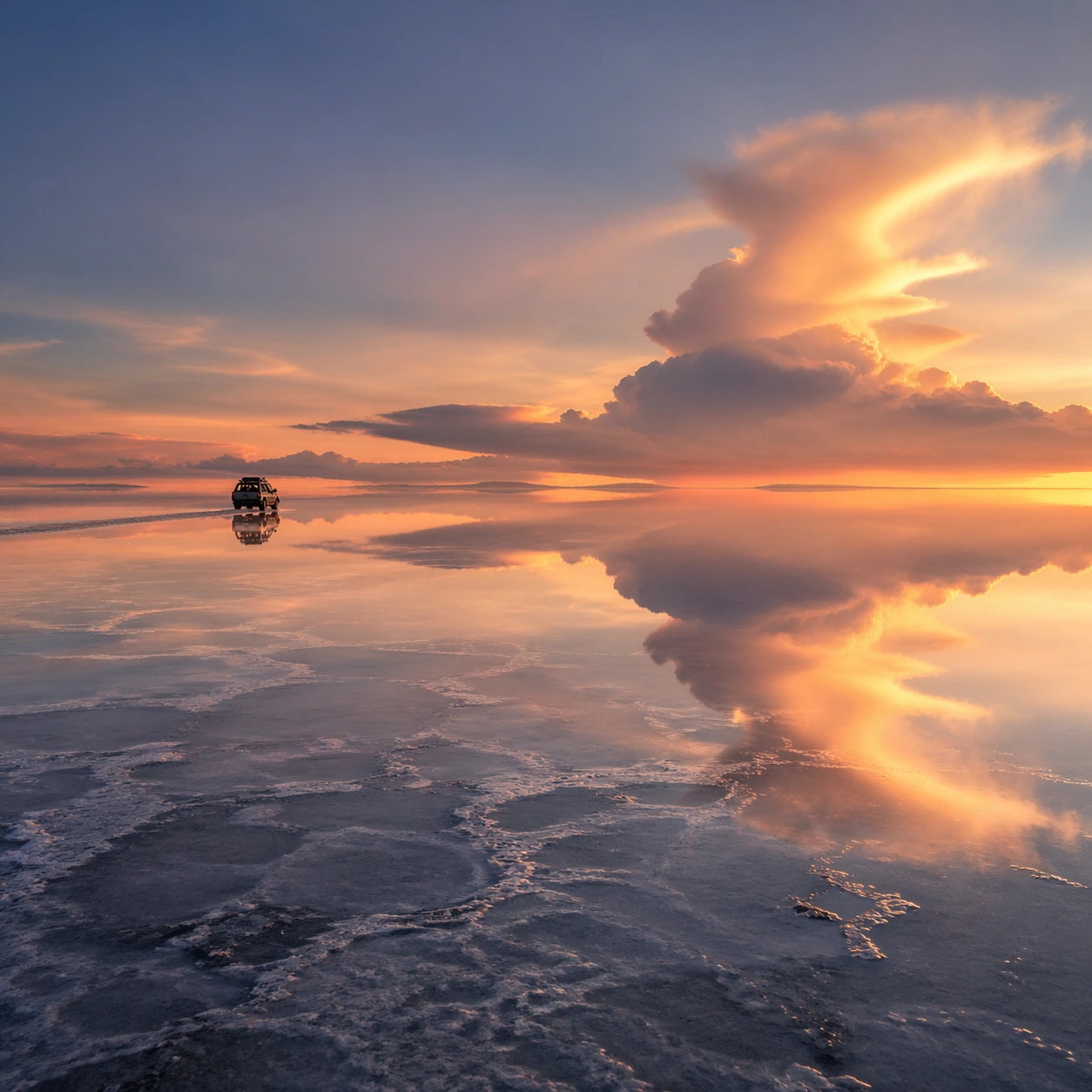
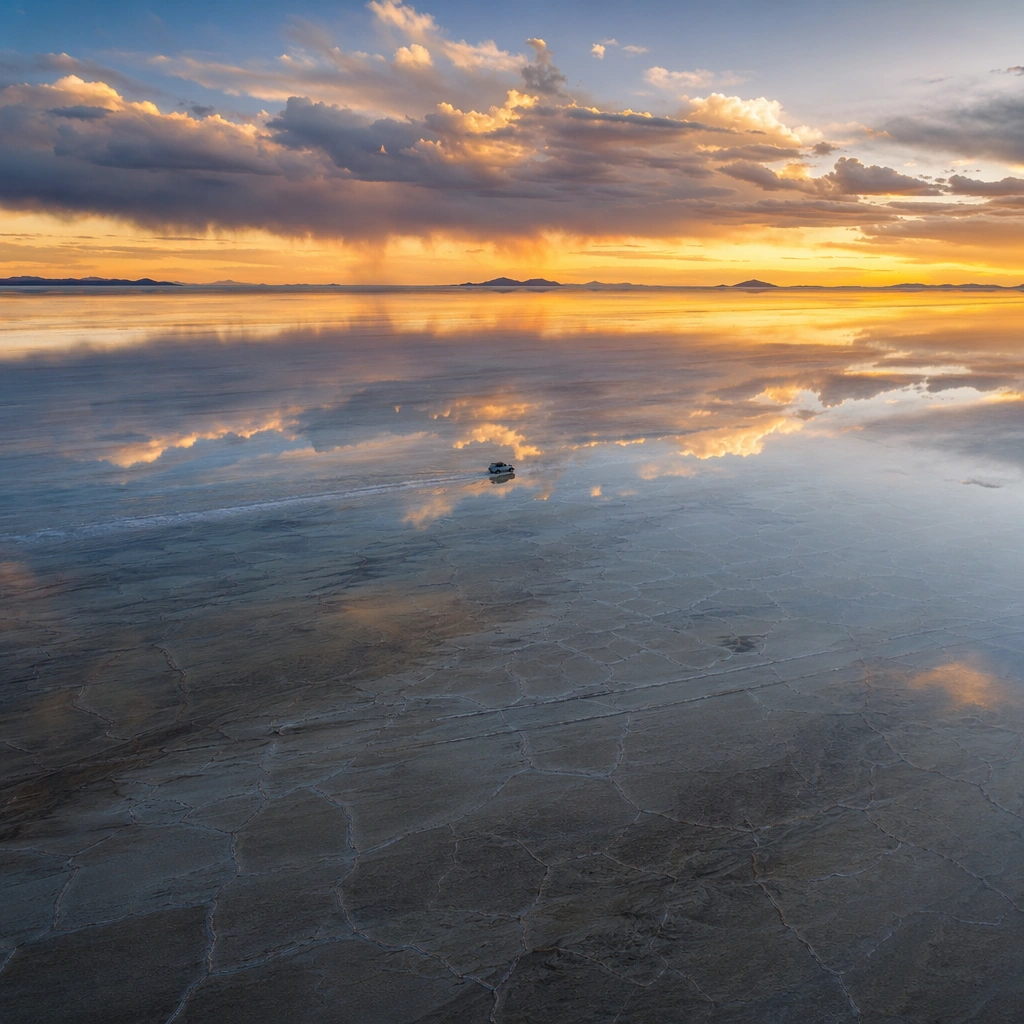
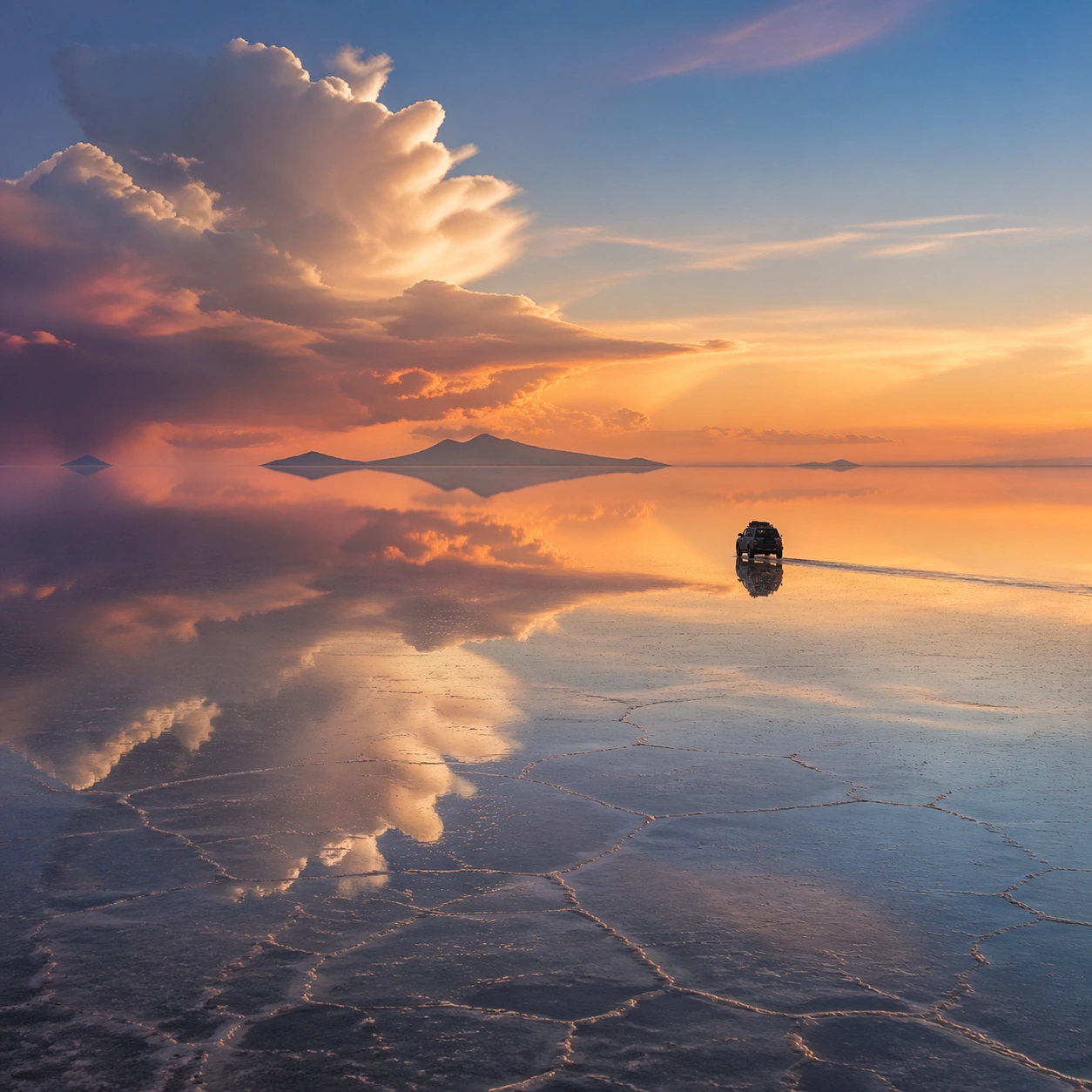
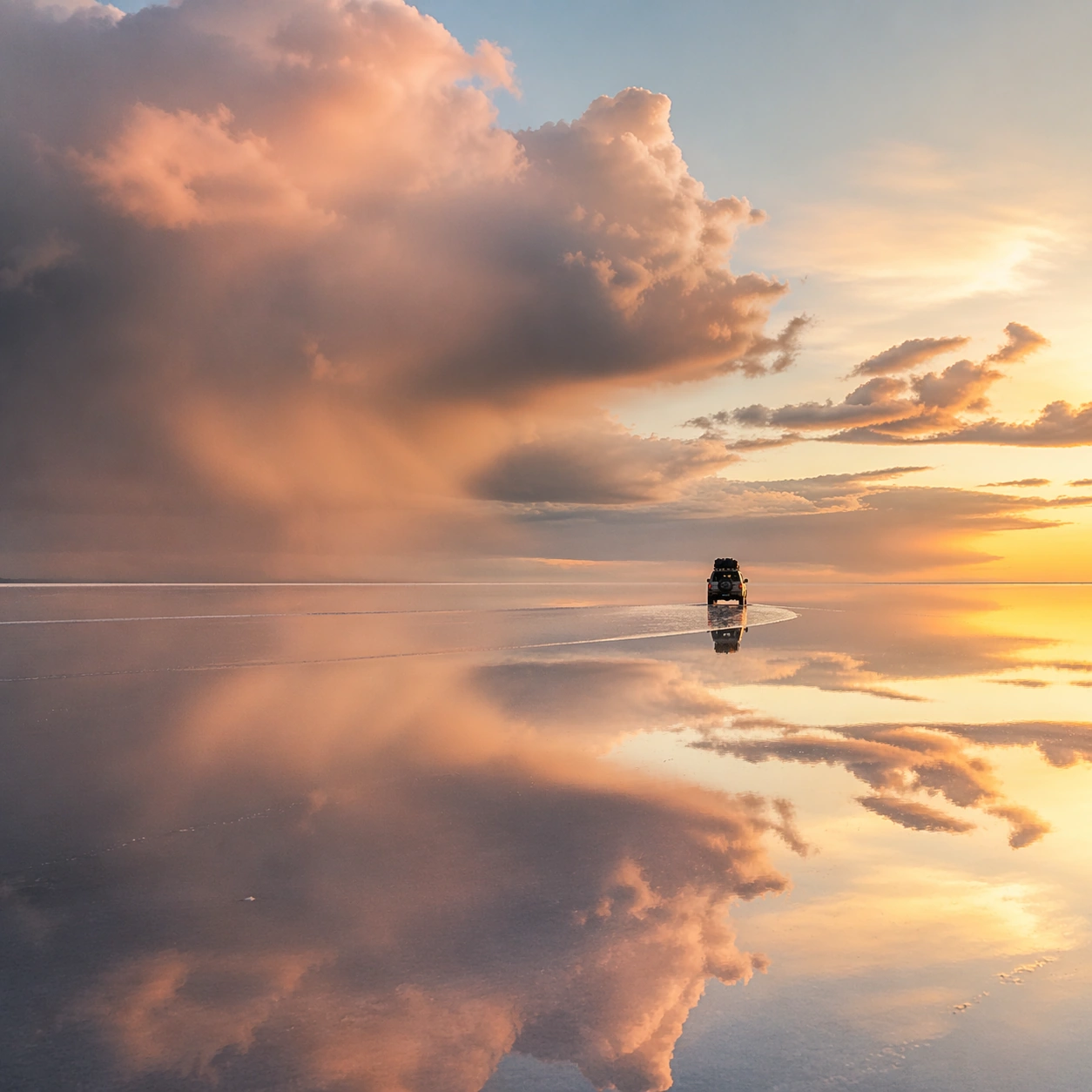
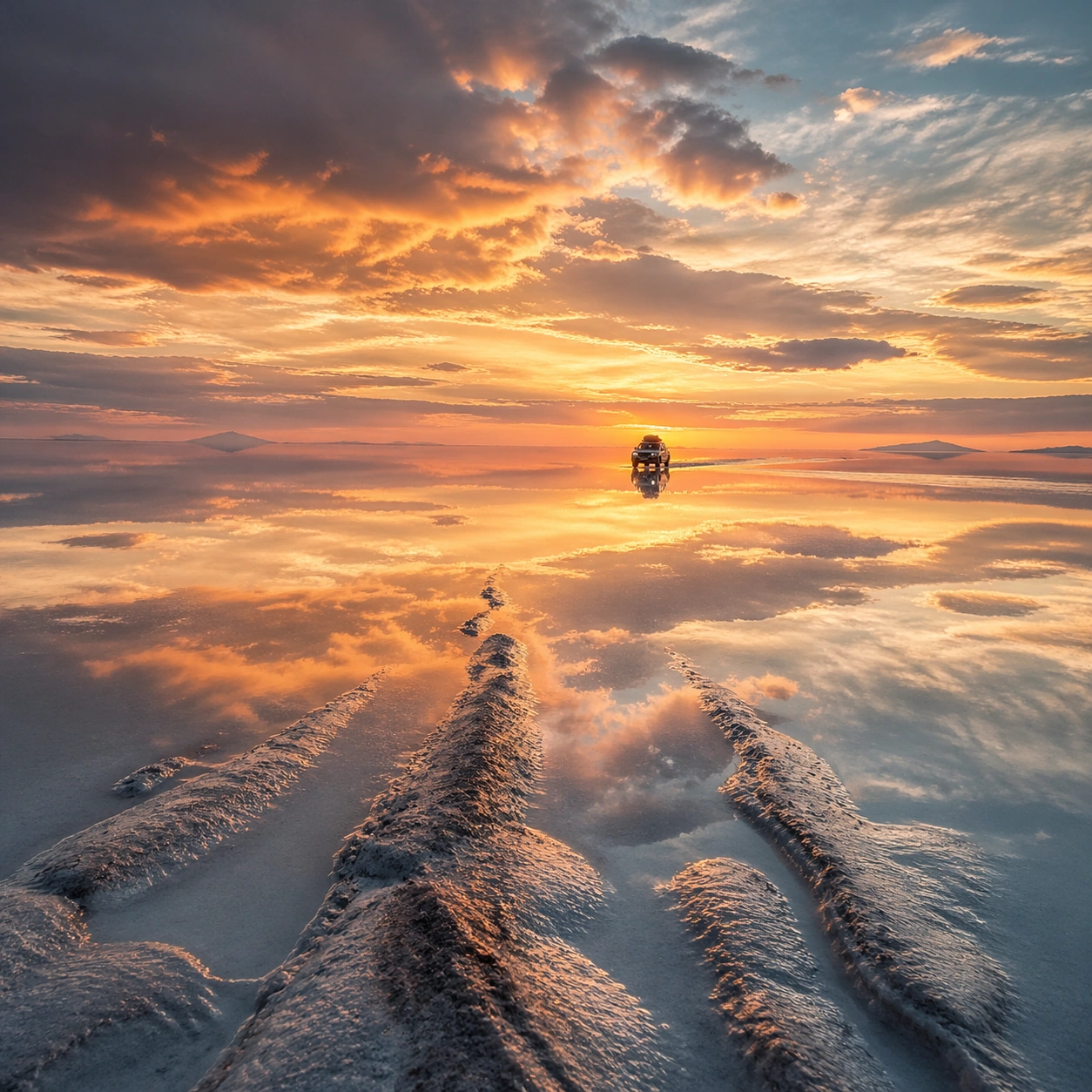
这条提示词设计的是玻利维亚积水盐沼的日落风景概念图,以接近地面的视角建立画面入口:有纹理的车辙或其他前景线索把视线引向水面、云层倒影与远处地形,一辆很小的越野车提供尺度参照。构图重点是从近到远的层次关系,而不是堆叠醒目的物体;天空和镜面之间需要保留足够平静的空间,才能让接近消失的地平线与前景细节一起发挥作用。
作者发布的预览中,两条较高的前景车辙向车辆方向收拢,暖色日落在浅水表面形成呼应。改写时,更值得保留的是这些可见关系:视角、地表材质、天空和尺度参照应一起调整,不能只替换地名。原提示词要求 1:1 方形画幅,不出现文字或标志。预览是一张生成作品,可以用于构图练习与视觉概念参考,不能证明真实摄影、当地天气或实地环境。
需要准备什么
- 包含 Scene、Subject、细节和约束段落的完整原始提示词。
- 准备一致调整的场景概念、光线条件和前景元素。
- 支持相应图像构图的模型或使用环境;该记录未声明必须输入的参考图。
可以得到什么
- 以前景引导纵深、以镜面光线统一画面的方形生成风景概念图。
- 可进一步检查几何关系、尺度、物体数量及天空倒影一致性的图像。
使用步骤
- 先阅读完整原文,识别前景路径、反光平面、地平线和小型尺度参照各自的位置。
- 替换场景时同步修改 Scene 与 Subject,包括地面材质、水面表现和空气层次。
- 复现这一变体时保留 1:1 画幅和一辆从属于风景的小车,清理彼此矛盾或抢占主体的新增物体。
- 放大检查车辙如何引向远处,将水面与天空对照,再检查车辆、地平线和多余文字。
限制与检查
- 前景线索应形成合理纵深,避免入口被遮挡,或下方出现与构图无关的空白区。
- 对照云的位置、光线方向与倒影形状,让天空和水面属于同一个场景。
- 核对车辆数量、大小和倒影,查看是否出现额外车辆、人群或道具。
- 图库方形预览是已发布的素材版本,不保证新输出的像素或质量;系列编号本身不代表参考图输入要求。
常见问题
需要把系列其他图片一起输入吗?
源资料将它标为系列第 2/9 项,但本记录没有声明必须输入的参考图。可以将完整文字作为前景引导构图这一变体阅读,同时保留原系列背景。
这条提示词最关键的构图选择是什么?
通过低机位和有质感的前景路径,把视线引向镜面远景。小车帮助理解尺度,应保持较小,并从属于整体风景。
可以直接改成横向宽图吗?
原文明确要求 1:1。宽图改写需要重新考虑前景路径、地平线和尺度参照的位置,不能仅凭裁切就认定保留了原方形构图的效果。
原始文档
GPT Image 2 · en
Scene:
Create a square, photoreal landscape study of bolivian salt flat mirror. Compose it as a ground-level entry path that pulls the viewer into the terrain, using a lower vantage with a strong foreground element such as a ridge line, shoreline, stream, boot track, or wet surface leading inward. Let the foreground remain tactile and detailed while the distance opens gradually Keep the frame cinematic but disciplined, with a clear foreground, middle distance, and far mass so the viewer can measure real depth. The image should feel like a field photograph made with patience, precision, and sublime restraint rather than a fantasy matte painting.

Subject:
Show a flooded Bolivian salt flat at sunset with a near-perfect mirror surface reflecting cloud towers, a vanishing horizon, and a single jeep sending one subtle ripple across the water film. This variation should emphasize foreground-led composition. The main landform must dominate the composition, but secondary elements should quietly explain how the place works: water paths, sediment lines, snow bands, surf, ash, wind streaks, stars, or human traces where appropriate. Everything in the image should support the same idea of scale and climate, so the scene reads as one coherent environment rather than a stack of spectacular details.

Important details:
Preserve horizon loss, razor-thin water over salt, exact mirror behavior, soft sunset color mirrored above and below, and a clean sense of infinite horizontal space. The image should reward close looking through layered depth cues rather than pure spectacle alone. Keep geology, weather, and atmosphere physically believable. Use subtle micro-texture, tonal separation, and air perspective to reinforce distance. If a human, vehicle, tent, caravan, bird, or boat appears, it must remain tiny and subordinate to the landscape, functioning only as a scale witness. The composition should feel original, severe, and elegant, with no decorative filler and no imitation of any copyrighted visual property.

Use case:
Bolivian Salt Flat Mirror single study 2/9, exploring the foreground-led composition variation.

Constraints:
No readable text, no watermark, no logos, preserve exact 1:1 aspect ratio, no extra vehicles, no crowd of tourists, no giant props, no surreal floating islands, no blocked foreground, no random props, no awkward dead zone in the lower third, no kitsch color grading, no artificial border, no split-panel treatment.