
Use AI with better judgment
Independent guides built around decisions, repeatable work, and verifiable product differences.
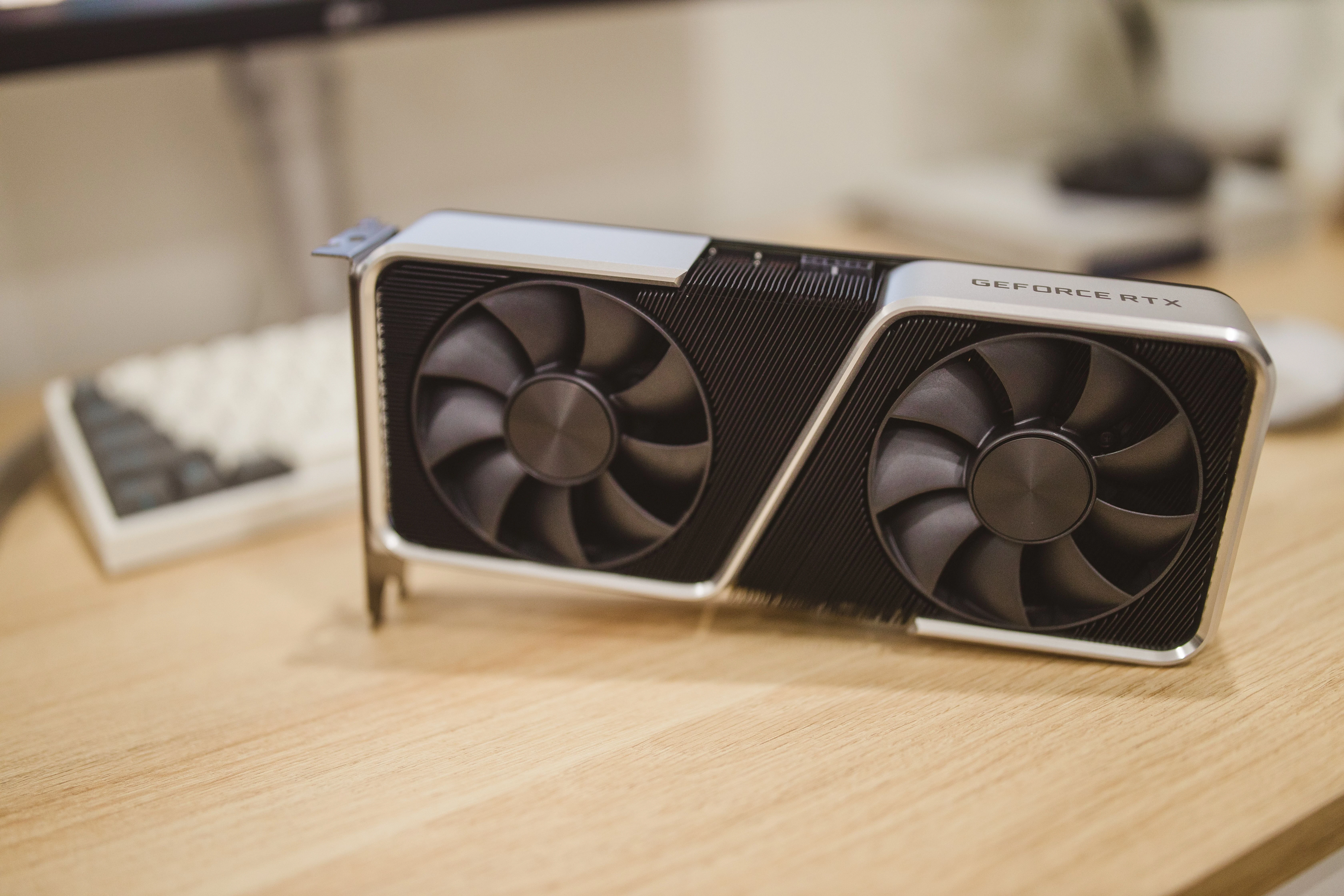
How to Assess GPU Power-Safety Claims Around Neural Rendering
A reported melted RTX 5090 connector raises a useful question about neural-rendering workloads. Here is how to separate visible damage, measured power behavior and unproven causation.

How to Build an AI Agent Incident-Reporting Playbook
When an AI agent reaches an unintended external system, a useful response starts with evidence, scope and containment—not a vague safety statement.

How to Design AI Rules for Assessed Legal Work
A legal-education AI policy works best when it names the skill being assessed, limits automation only where it would replace that skill, and makes approved use visible.
How to Design Open Archives for AI Crawler Load
Open technical archives can remain accessible without becoming unbounded HTML-rendering services. Start by giving people and machines the right representations, limits and signals.

How to Judge an AI Chip Company’s IPO Story Before the Hardware Ships
An AI-chip IPO can finance a real platform—or extend an expensive experiment. Use this checklist to separate architecture claims, production readiness, software adoption and repeatable customer demand.

How Essential-Service Teams Can Evaluate AI Cyber-Defense Programs
A large AI-security commitment can create useful options for smaller operators, but the real test is whether a workflow improves verified remediation without expanding operational risk.

How to Evaluate AI Data-Center Grid Readiness
A completed shell is not the same as usable AI capacity. Test a campus's power, cooling, curtailment and network milestones together before treating a delivery date as available compute.
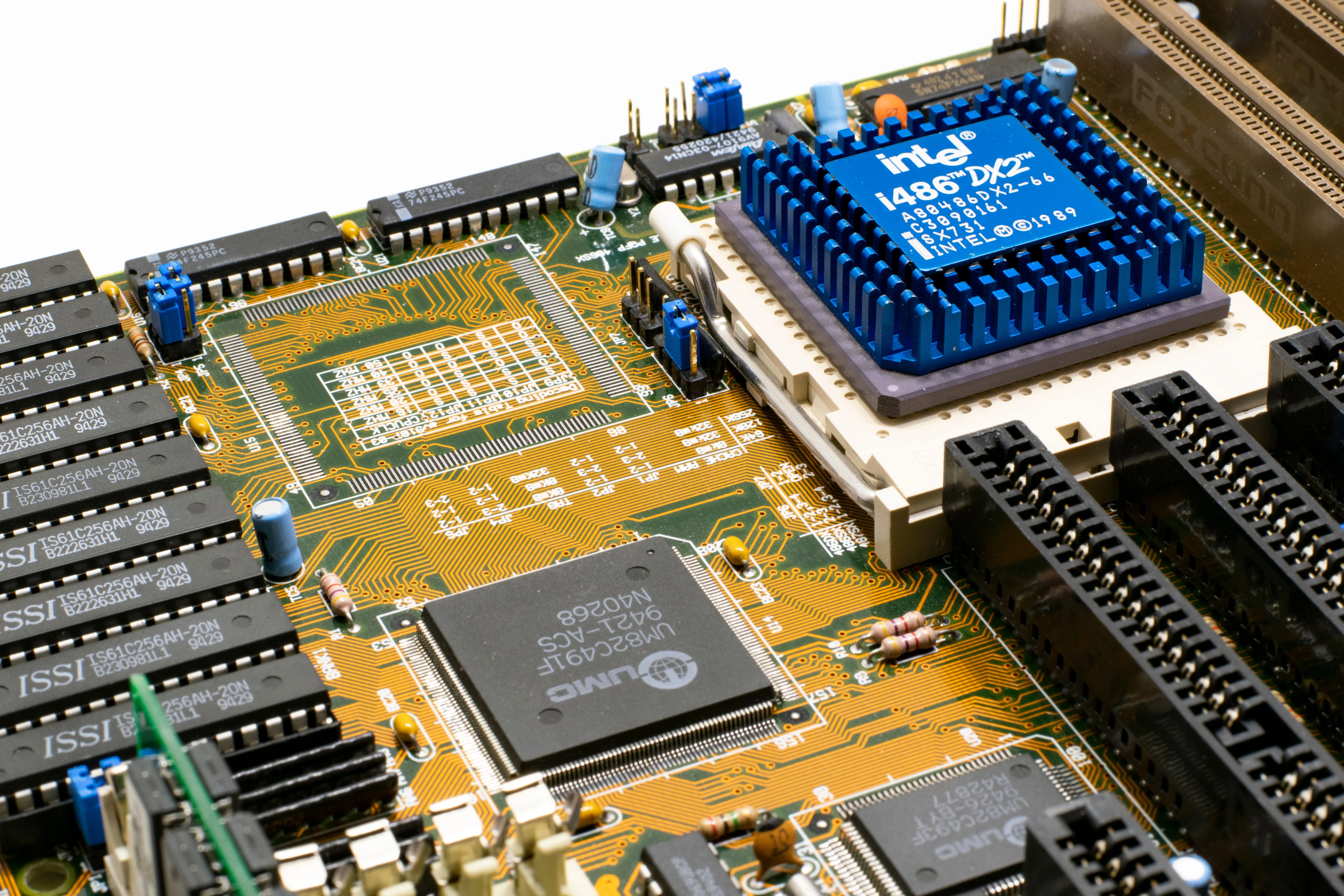
How to Evaluate an On-Device AI Accelerator Claim
A reported edge-AI chip partnership can be strategically interesting before it becomes a product. This framework separates architecture, silicon, software and device evidence.
How to Evaluate a Sovereign AI Infrastructure Proposal
A sovereign AI system is more than locally located servers. This framework tests data control, legal exposure, interoperability, operational capacity, and a realistic exit path.

How to Make Shadow AI Visible Without Stopping Useful Work
Shadow AI is usually a visibility and workflow problem before it is an incident. Build an intake path that employees can use, then apply stronger controls as data and permissions increase.

How to Prepare AI Workflows for a Frontier-Model Slowdown
A provider safety limit or staged release can change access without ending your work. Build an inventory, fallback path and approval record before a model restriction forces a rushed decision.

How to Evaluate Local AI Claims on Foldable Phones
A new chip and a wider foldable screen can create useful workflows, but launch specifications do not establish privacy, sustained performance or app support. Use this practical evaluation framework.