
Use AI with better judgment
Independent guides built around decisions, repeatable work, and verifiable product differences.
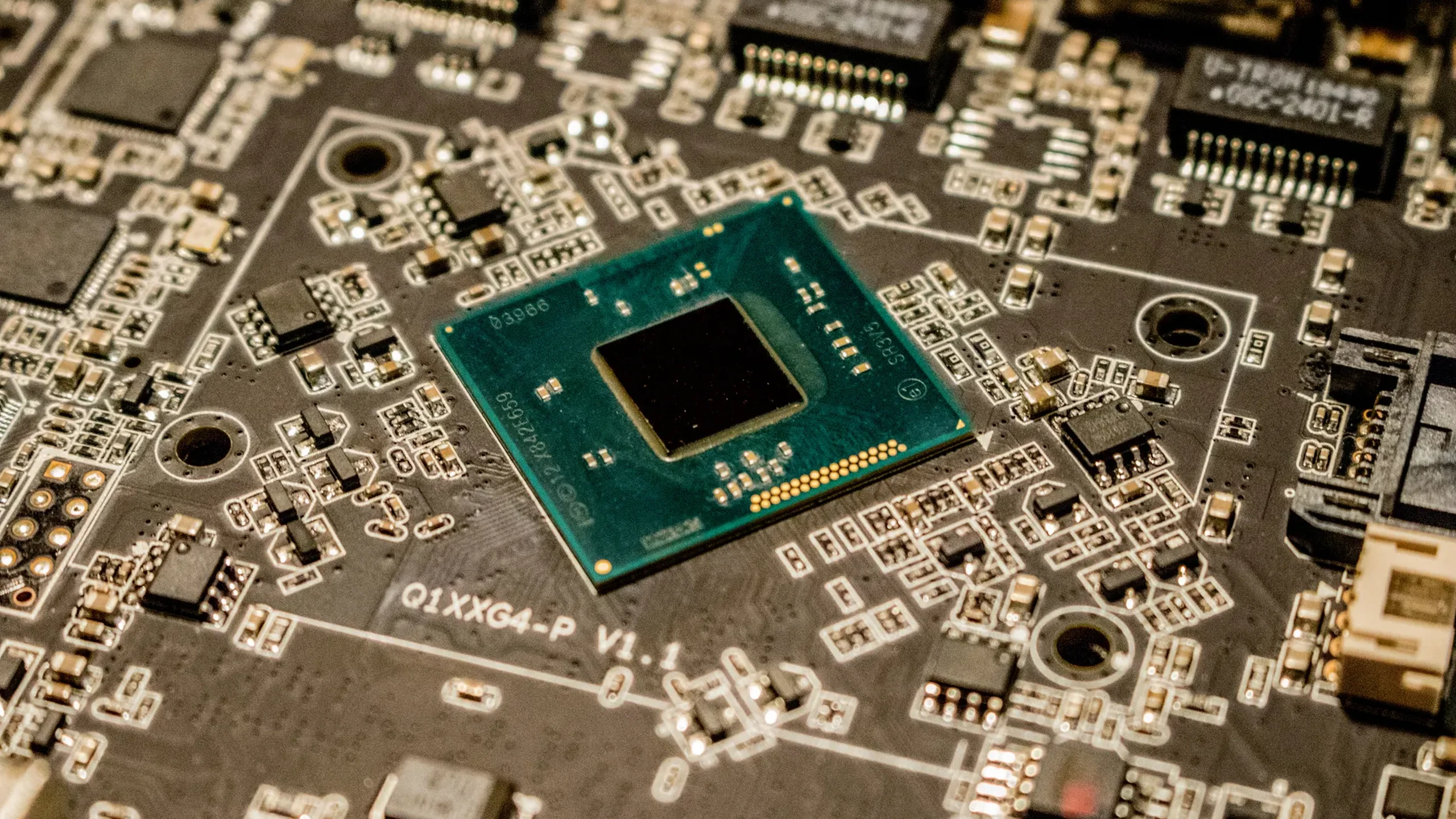
How to Verify Resurfaced AI Hardware News Before You Act
A viral post can revive a real AI hardware announcement without making it new. Use a practical evidence trail to separate the original event, vendor claims, teardown findings and production-scale questions.
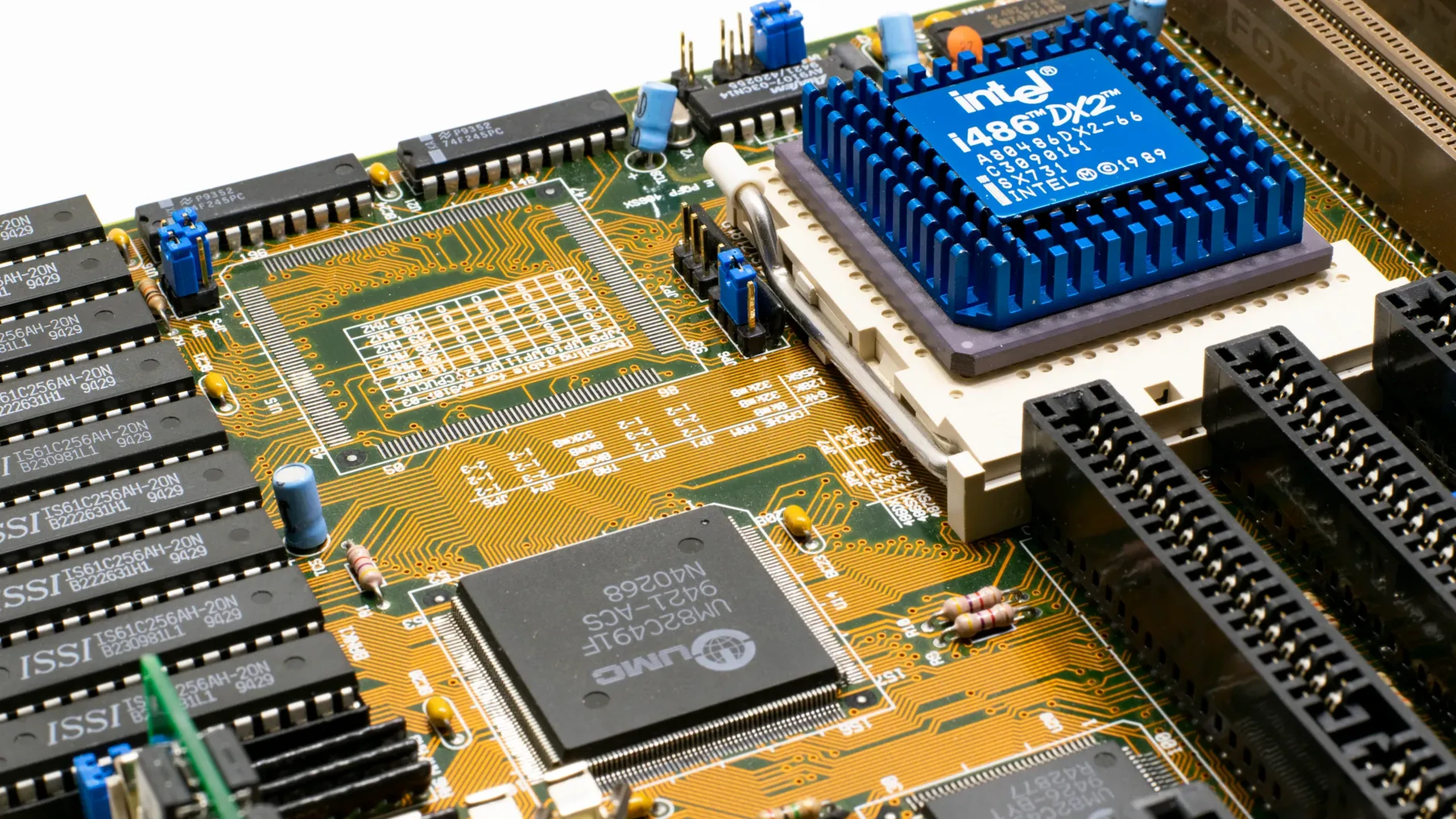
How to Evaluate x86 and Arm Risk for Edge AI Systems
A reported Intel price increase is not a reason to rush an architecture change. Use a practical framework for lifecycle, software, thermal, AI and recovery risk before qualifying x86 or Arm edge platforms.

How to Evaluate Humanoid Robots for Hazardous Support
A humanoid robot can be promising in human-built spaces without being ready for autonomous combat. Use mission evidence, supervision, resilience and recovery to assess where it belongs.
How to Evaluate an Open Agent Harness Before a Production Pilot
A practical way to assess an open agent harness: define one measurable workflow, test the security and operating boundaries, compare it with a simpler alternative, and make adoption reversible.

How to Evaluate a Viral Computer-Use Demo Without Overclaiming
A successful AI-agent video can show a real capability episode, but teams need repeatable tests, clear authorization boundaries, intervention logs and safe fallbacks before treating it as evidence of dependable automation.

How to Evaluate a Lightweight Headless Browser for AI Agents
A renderer-free browser can reduce the cost of text-oriented automation, but a useful evaluation must measure task completion, compatibility, visual-information loss and fallback behavior—not just a vendor benchmark.
How to Adopt Critical-Capability AI Models Without Handing Them Unchecked Access
A practical adoption checklist for teams considering a frontier model whose provider reports major gains in cyber or autonomous-computer-use capability.

How to Evaluate an Open-Source AI-Ready Building Editor
A practical pilot plan for assessing an open-source 3D building editor: test the project lifecycle, interoperability, extension boundaries and AI controls before committing work.

How to Assess a Semiconductor Fund in the AI Memory Cycle
A larger semiconductor fund can widen access to AI-memory infrastructure, but committed capital and an AI demand narrative are not proof of deployed capacity, control or returns.

How to Evaluate an Agent Browser Without Trusting Stealth Claims
A modified browser can make an agent easier to operate, but teams still need to test session isolation, policy boundaries, observability and recovery before using it with real accounts.

How to Evaluate AI Optical-Networking Supplier Claims
AI clusters need fast links as well as accelerators. Use product evidence, customer concentration, cash conversion and qualification milestones to assess an optical-networking supplier without turning a market rally into an investment conclusion.

How AI Teams Can Prepare for China’s Copyright Policy Changes
China’s new copyright plan and AI-dispute guidance make evidence, vendor questions and response processes more important—while major training-data questions remain unresolved.