
Use AI with better judgment
Independent guides built around decisions, repeatable work, and verifiable product differences.
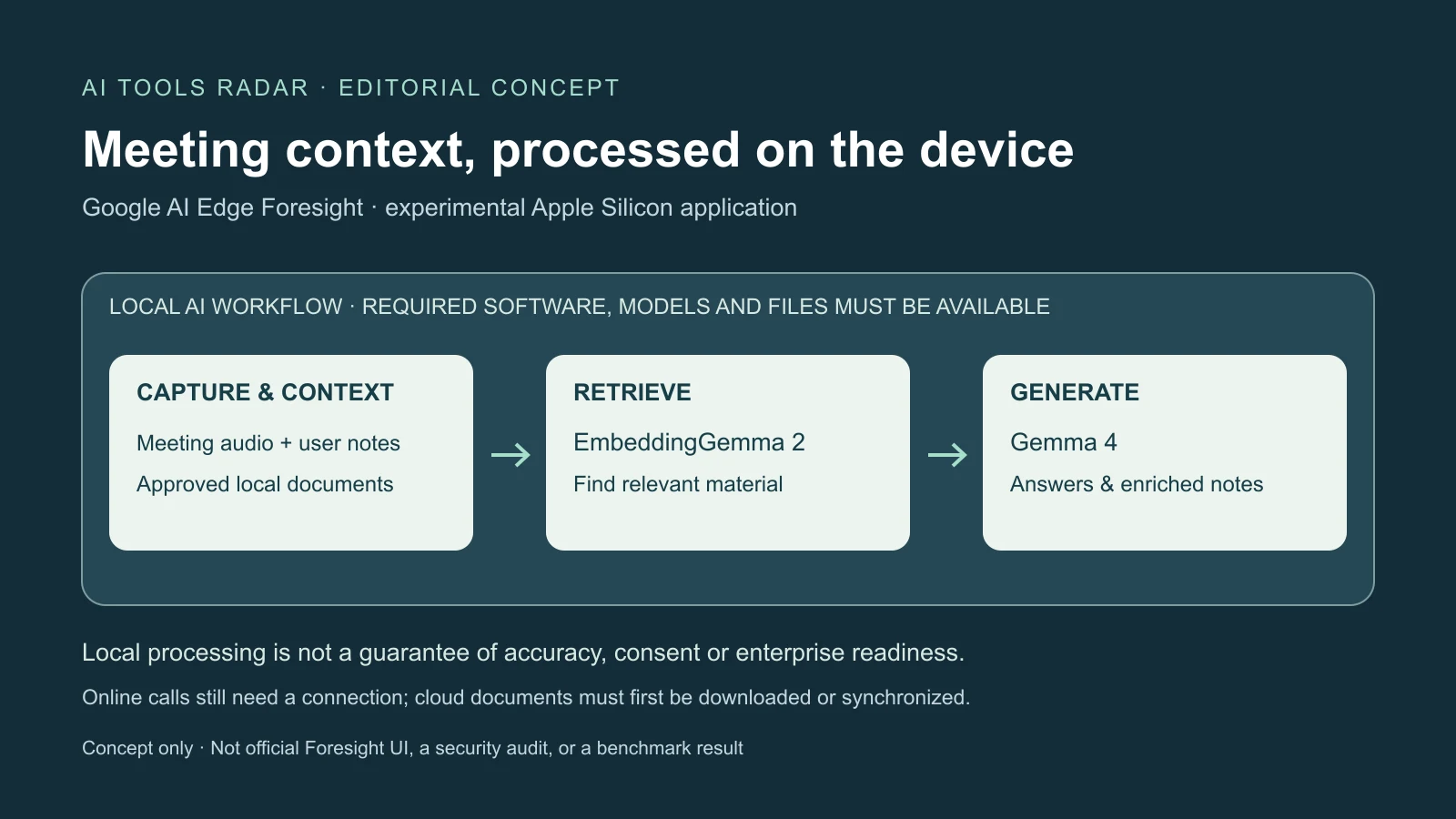
Google Foresight makes local meeting context tangible, without yet proving an enterprise replacement
The experimental Apple Silicon app joins bot-free capture, guided notes and private retrieval on-device. Its local stack challenges cloud dependence; accuracy, collaboration and support remain separate tests.
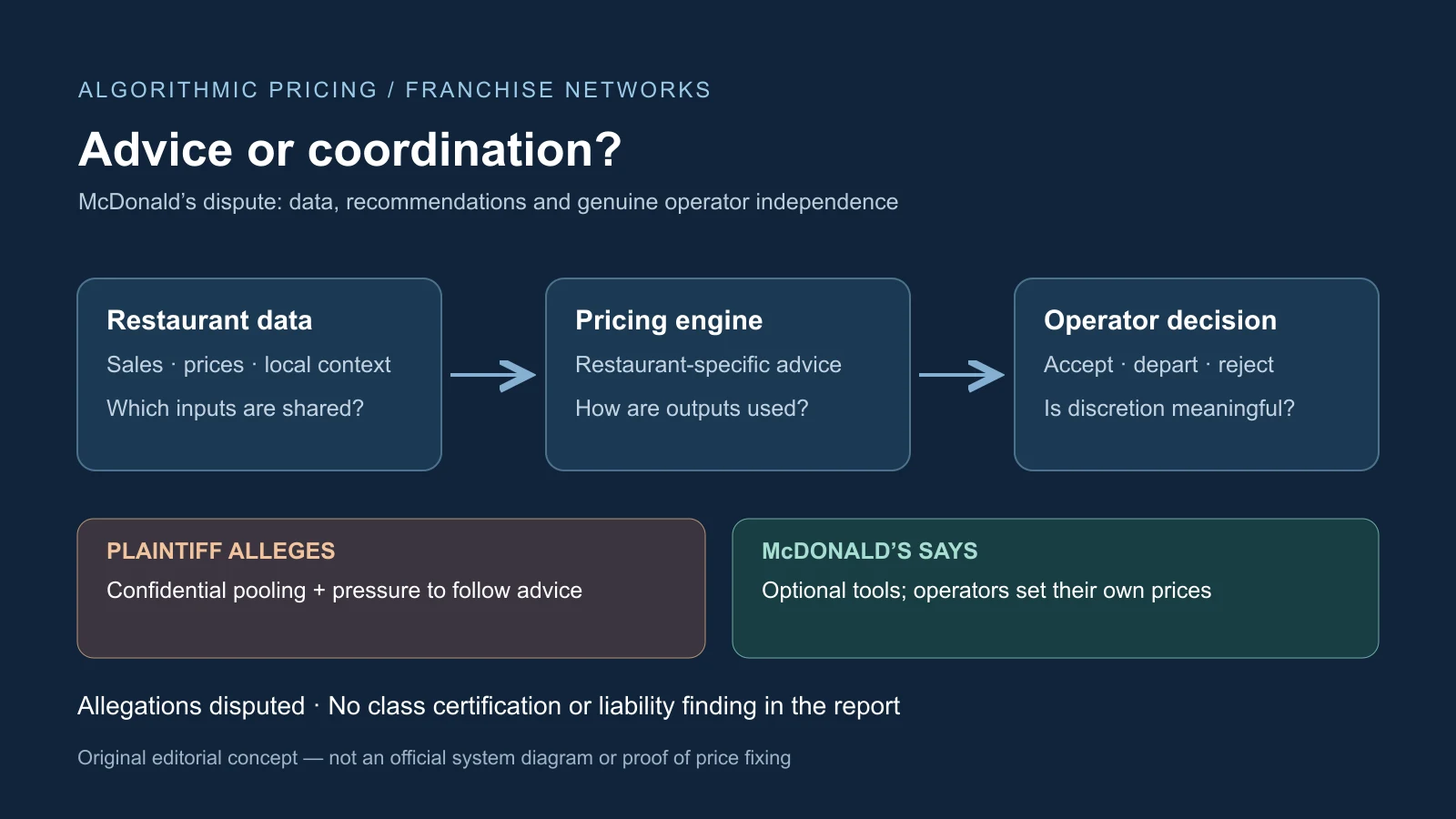
McDonald’s pricing suit turns on shared data and franchisee independence
A consumer alleges confidential restaurant data and pressure turned AI-assisted advice into coordination. McDonald’s says operators retain control; no class or liability finding is established.
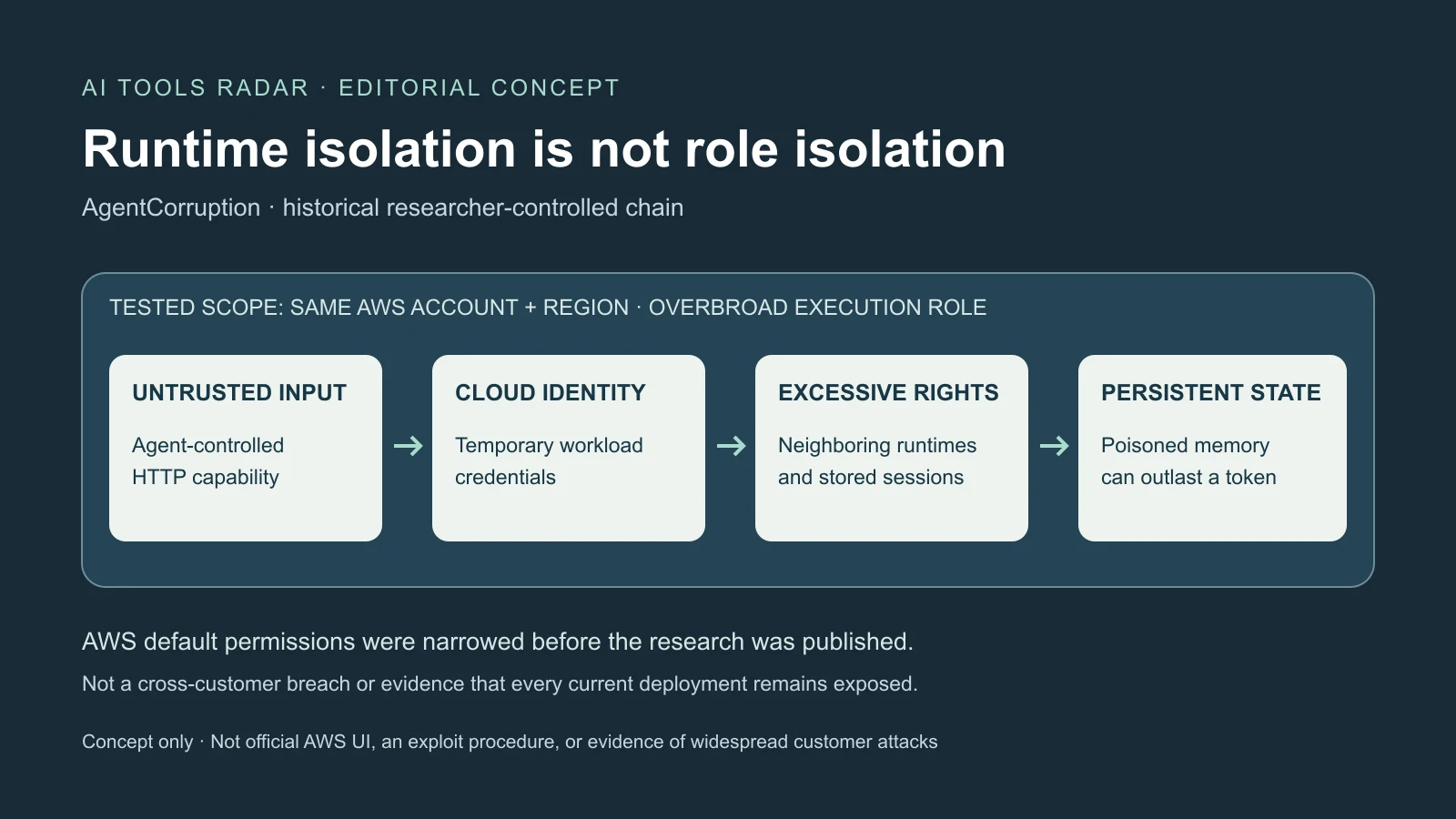
AgentCorruption showed why an isolated agent can still carry an overpowered cloud identity
Zenity traced a historical chain from prompt-controlled HTTP to broad AgentCore permissions and poisoned memory. AWS narrowed defaults before disclosure; the remaining lesson is containment beyond the model.
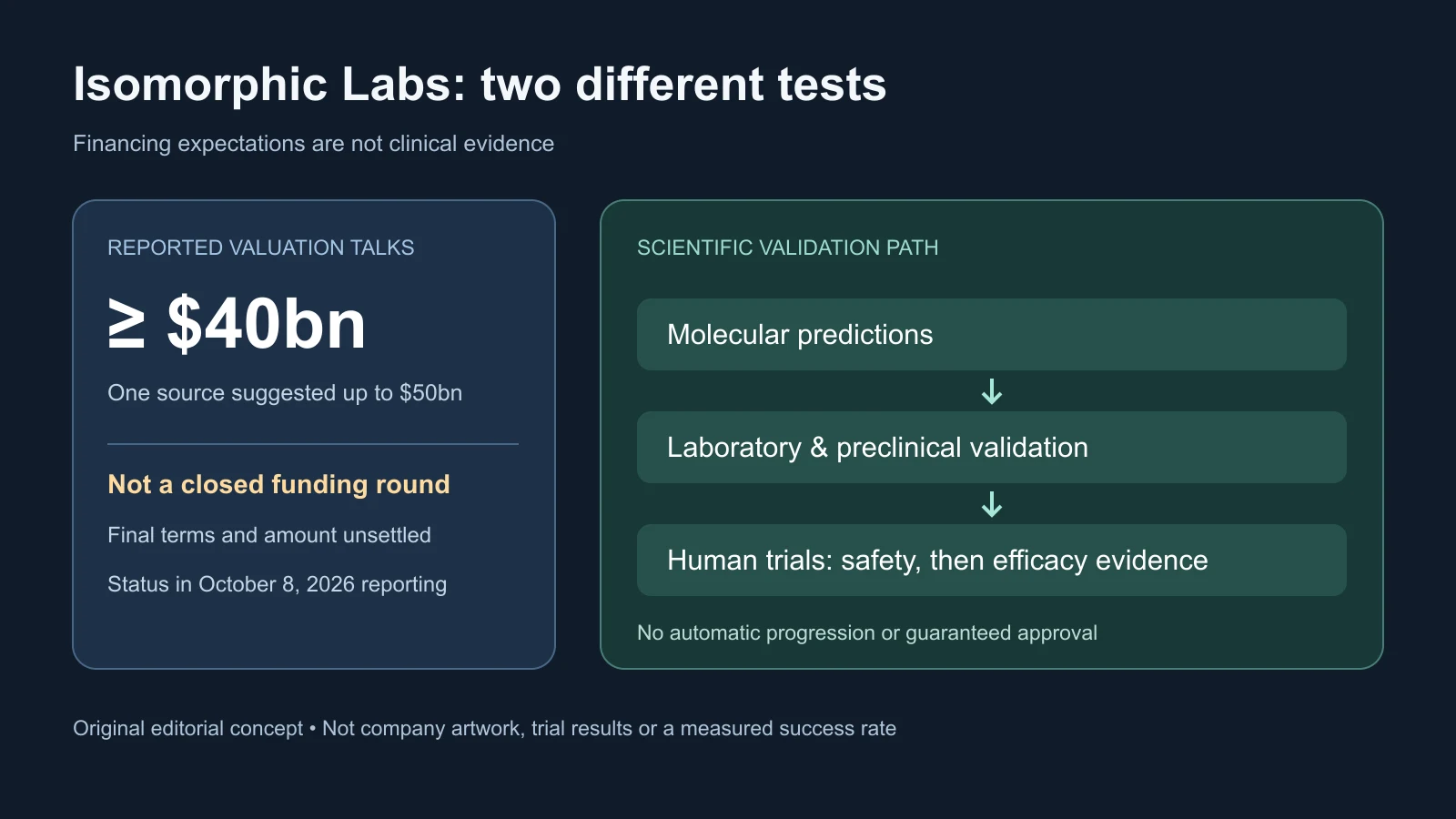
Isomorphic’s reported $40 billion valuation asks investors to price a platform before clinical proof
New funding discussions five months after a $2.1 billion round put the drug-design engine’s repeatability—not just one molecule—at the center of a still-unclosed valuation.

Boost Run’s $525.6 million Cohere deal has a rack-by-rack acceptance test
The five-year GPU services commitment expands Boost Run’s backlog, but July 2027 refund rights and undisclosed deployment details separate contract value from an operating cluster.
Meta’s ad-safety AI follows hidden links; repeated campaigns remain the test
Five new controls target covert destinations and returning advertisers after researchers reported repeated prohibited paid ads. Meta has not released independent performance results.
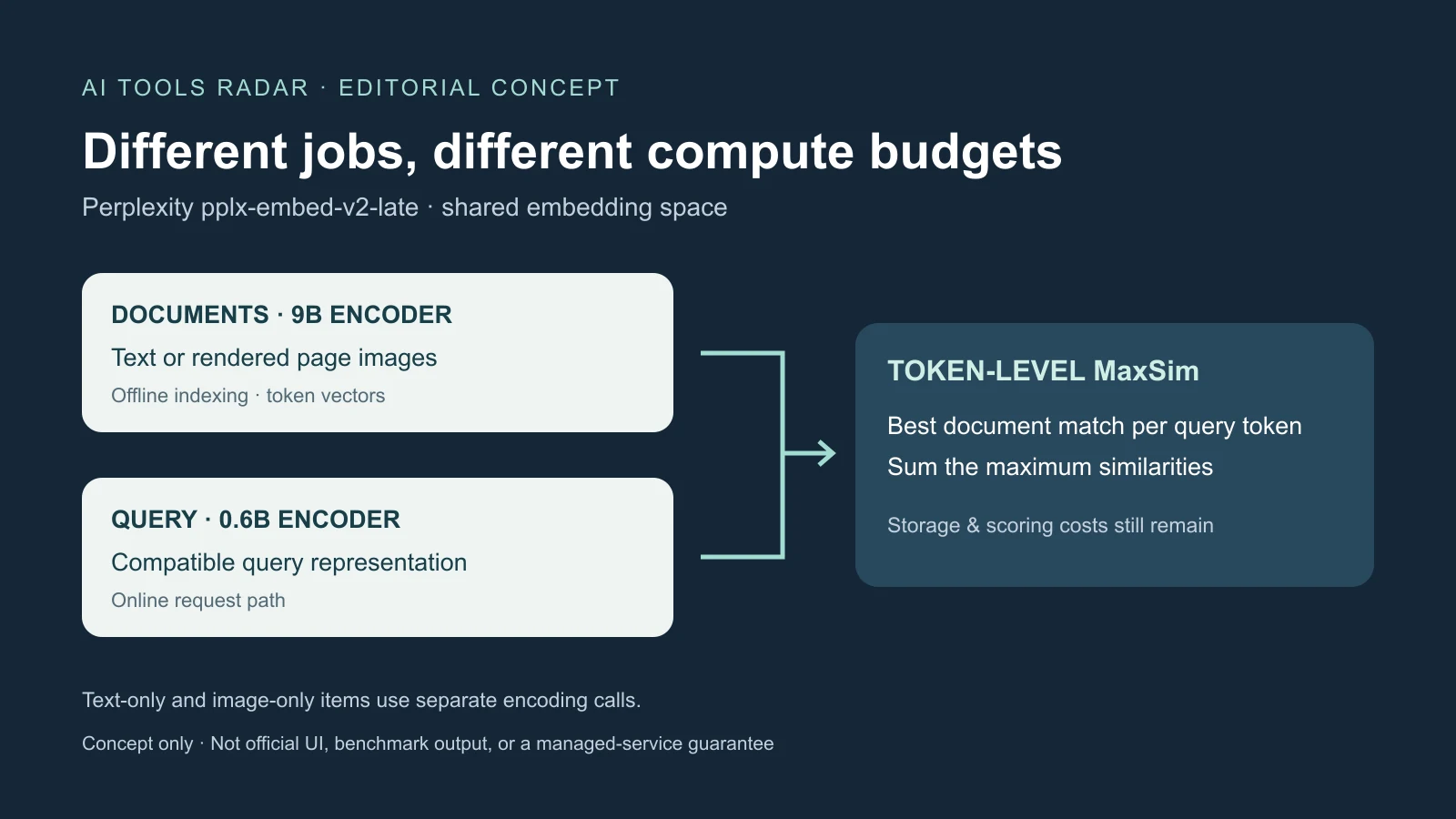
Perplexity separates a large document indexer from a small query encoder—but not from retrieval costs
MIT-licensed late-interaction models share a text-and-image space, pairing 9B indexing with 0.6B queries. Company benchmarks support testing; multi-vector storage, scoring and evidence extraction still need accounting.
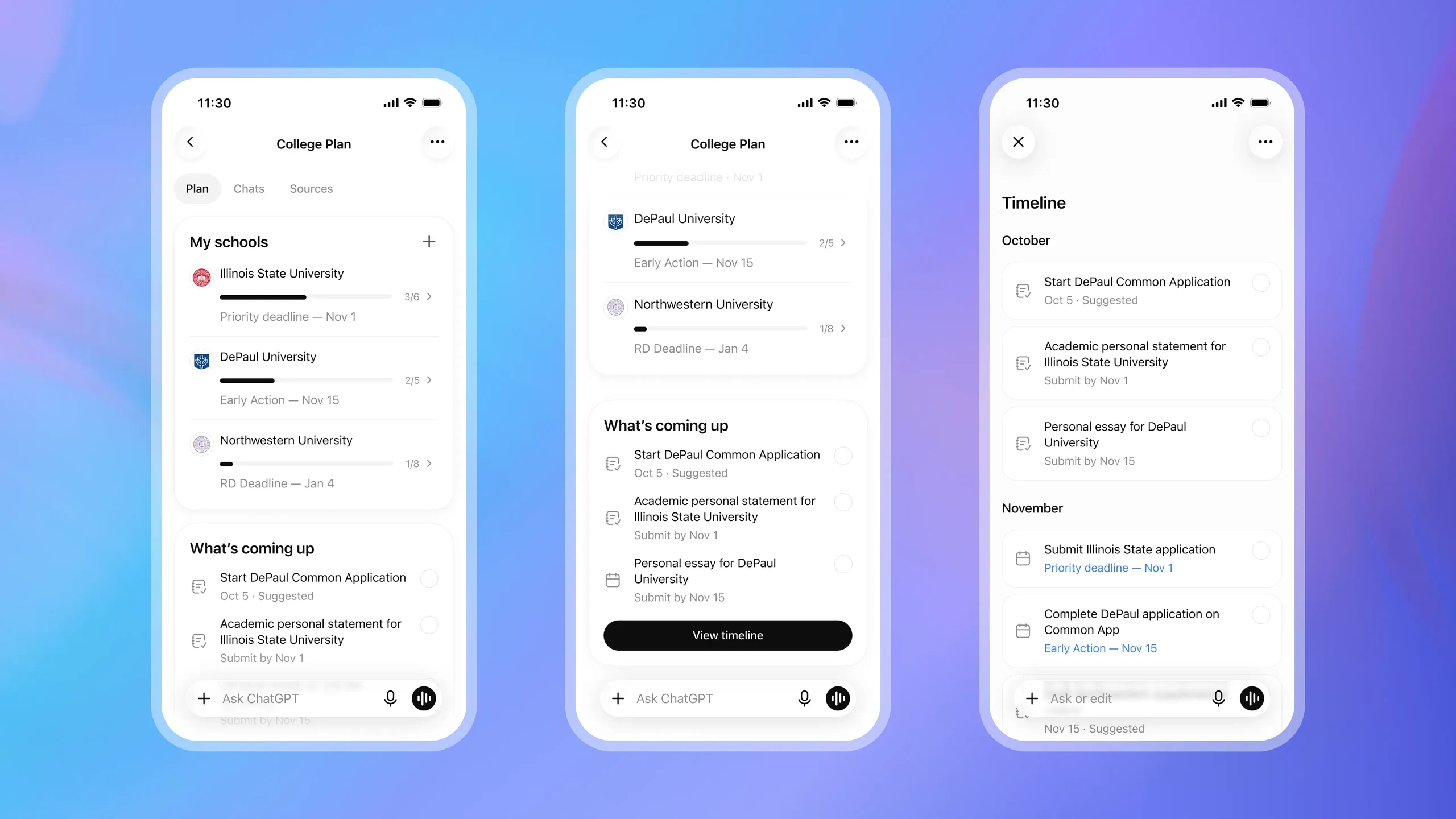
ChatGPT's planned College Planner faces a source-and-safety test
OpenAI plans an application organizer for US grades 10–12 considering four-year colleges. Official deadlines, human advice and product-specific testing remain essential.
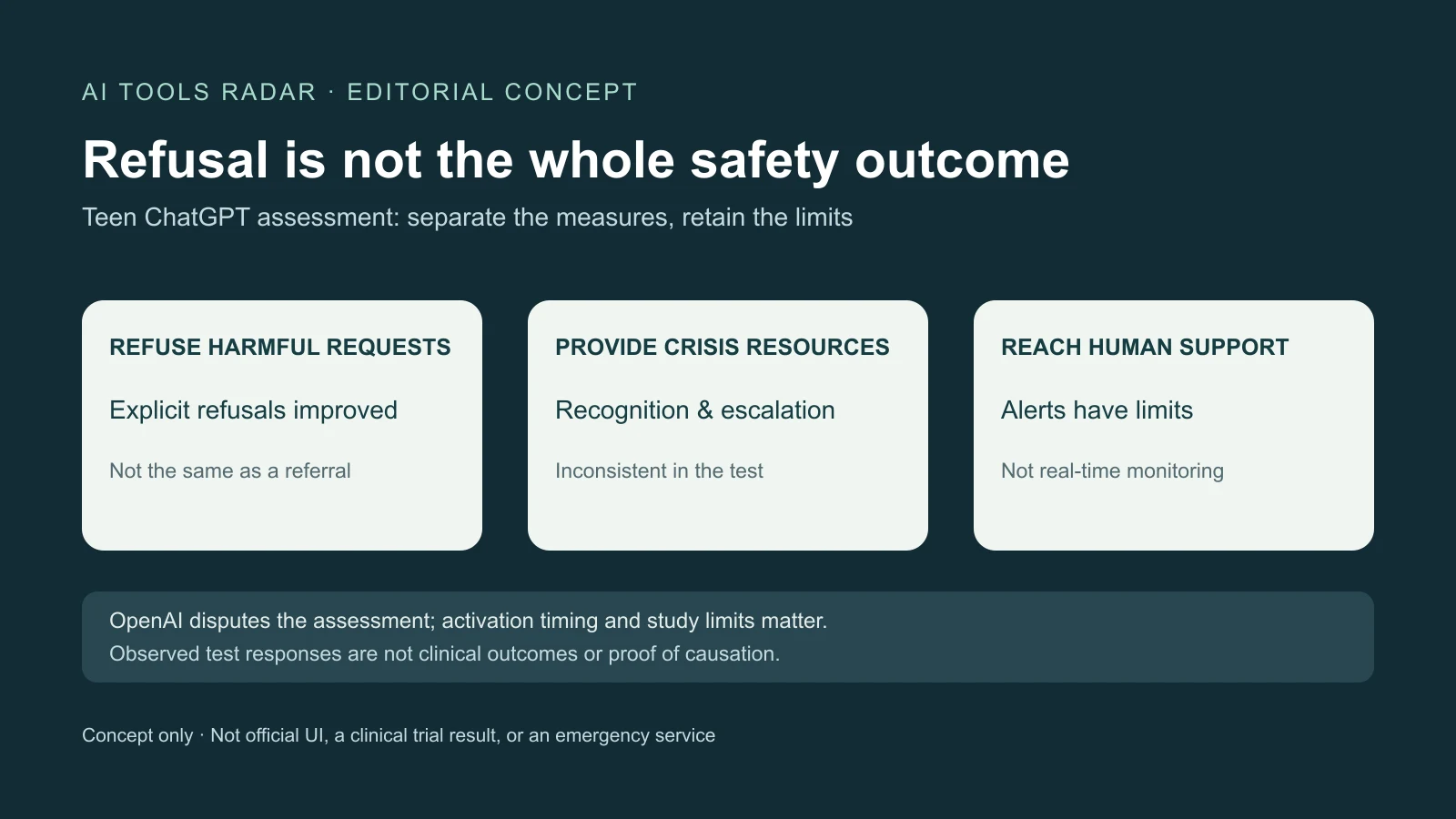
Teen ChatGPT tests expose the gap between refusing harm and reaching human support
An independent assessment reports weaker crisis referrals and limited alerts after the teen rollout. OpenAI disputes its method; activation timing and study limits matter, but do not settle every finding.

Claude links Max and Team subscriptions to an API budget, not unlimited automation
Monthly credits open a route from Claude subscriptions to custom applications, while organization linking, expiry and separate spending controls remain decisive.
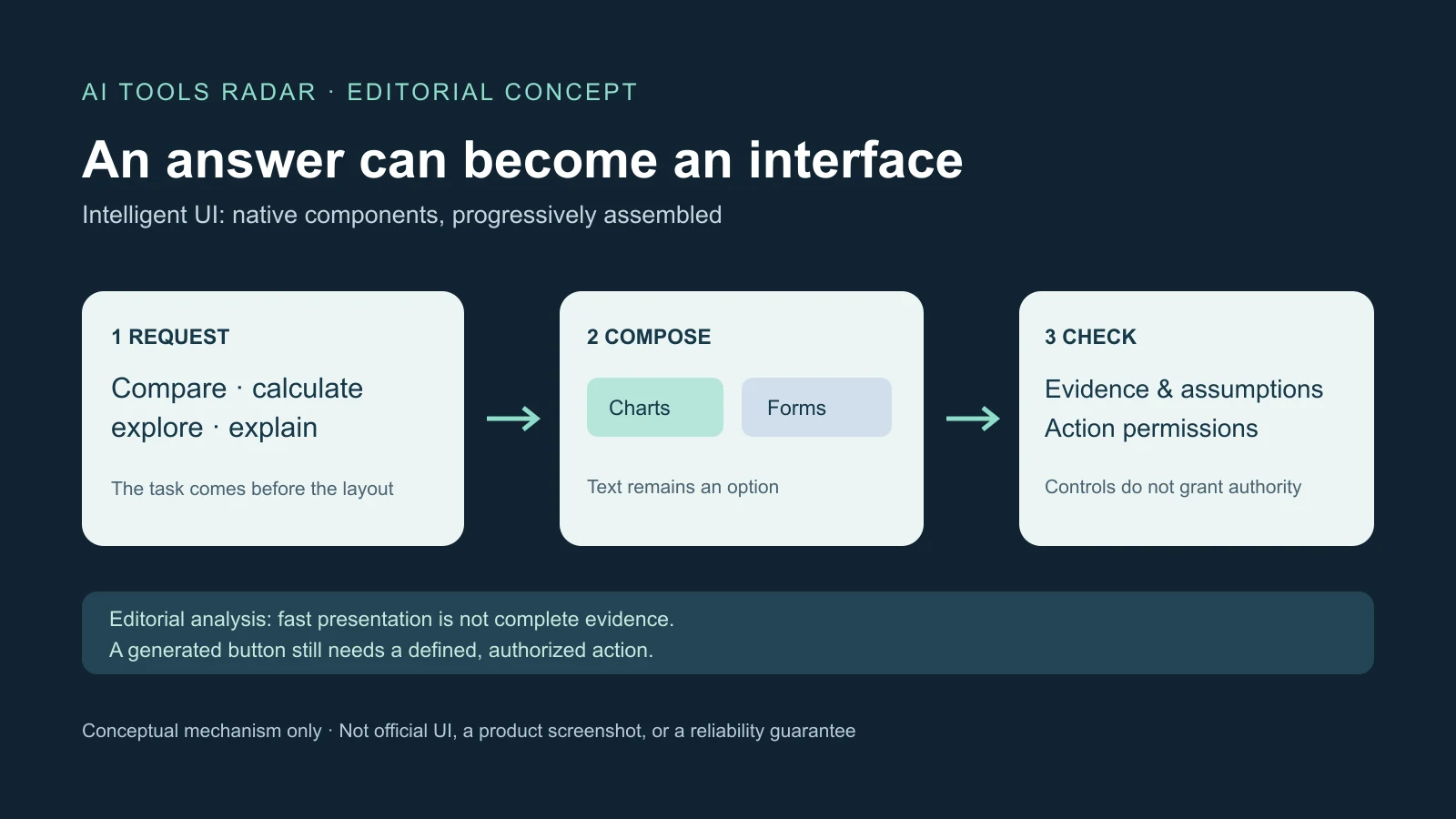
ChatGPT’s generated interfaces move model judgment from words into controls
Intelligent UI composes native components inside Chat, with staged account access and model-specific limits. Its real test is whether interaction preserves evidence, clarity and action boundaries.
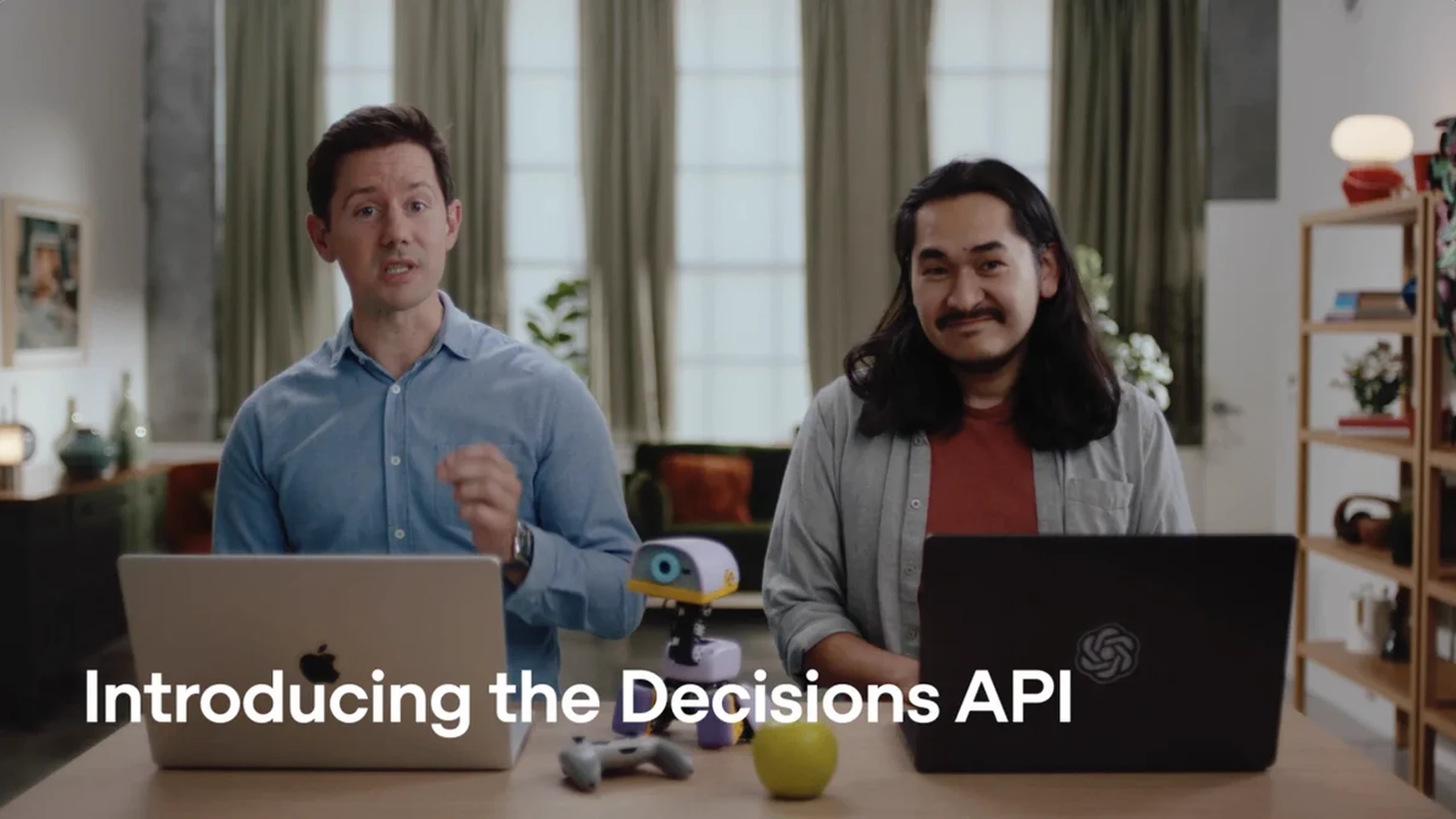
Luna Decisions reaches OpenRouter: faster routing is not permission to act
OpenRouter adds OpenAI's public-beta decision endpoint. Typed choices and probabilities can simplify routing, but calibration, data paths and action authorization remain separate tests.