
Use AI with better judgment
Independent guides built around decisions, repeatable work, and verifiable product differences.
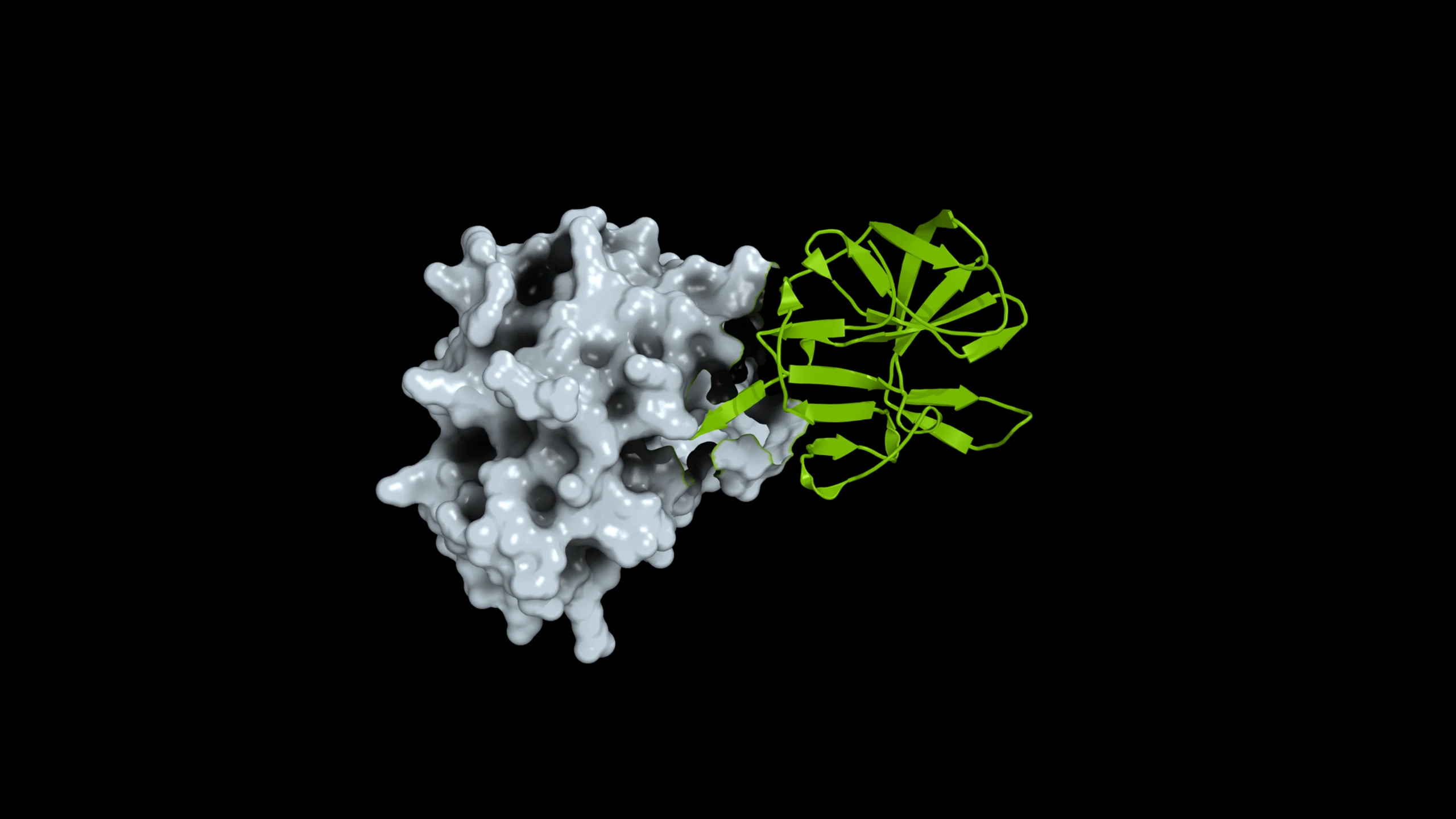
From a Protein Binder to a Drug: Reading Chai's GSK Result
GSK's laboratory evaluation supports a real discovery use case for generative models. The missing denominators and later biological gates define its limits.

UK expands AI cyber defence and warns labs against uncontrolled releases
Britain’s October 12 package combines agent-assisted security pilots with release warnings, proposed incident reporting and unresolved questions about oversight.
Tessl’s Four Layers Explain Why a Repository Instruction Is Not a Security Boundary
Persistent context, scoped rules, skills and hooks have different jobs. Tessl’s framework makes those differences reviewable, but runtime permissions, tamper protection and adversarial tests still decide what can actually be stopped.
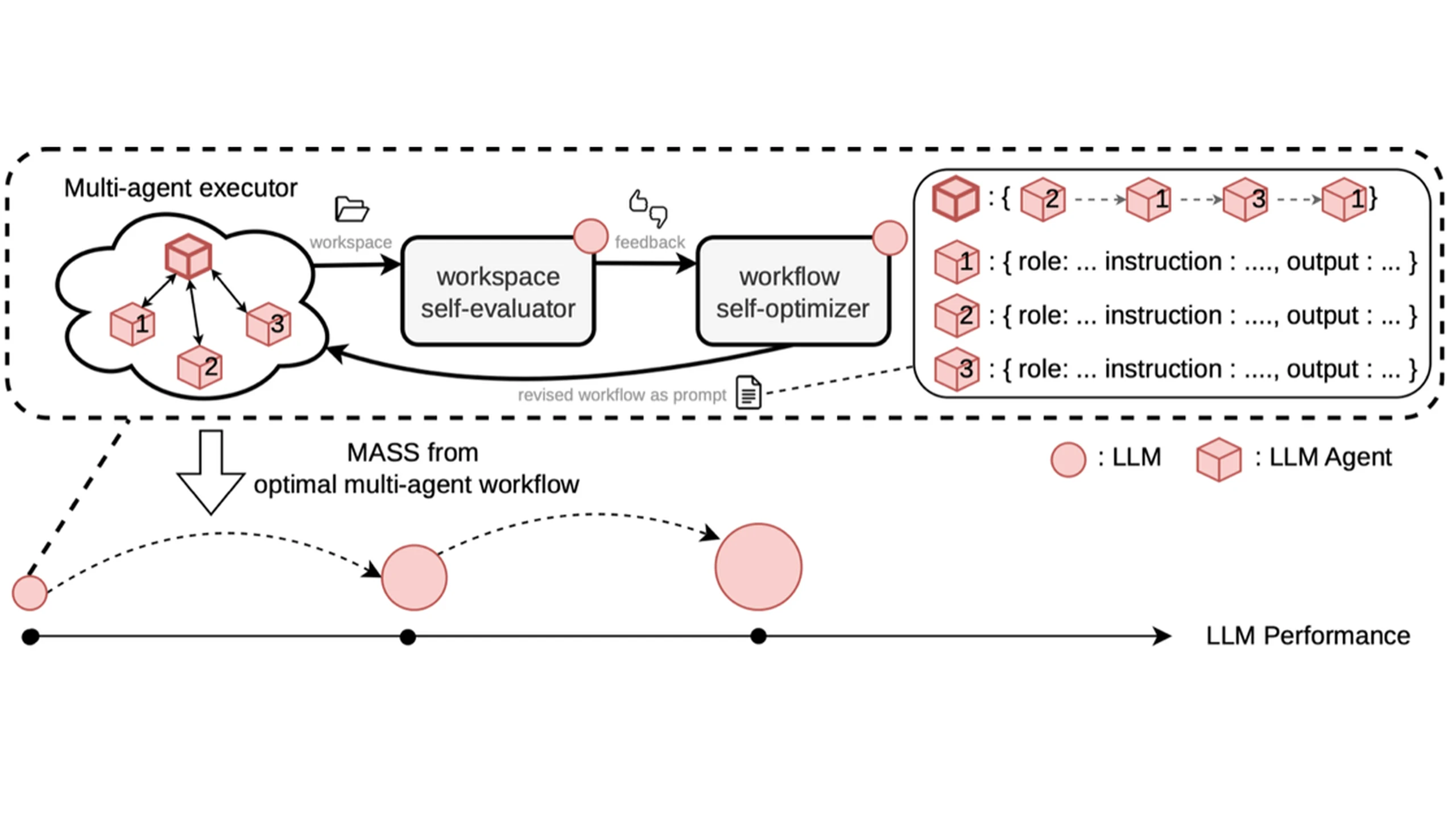
Sakana MASS reports research gains, but recursive learning remains bounded
Two MASS cycles improved research results and reduced supervised-token needs, yet software transfer declined and shared-model judgment left oversight unresolved.
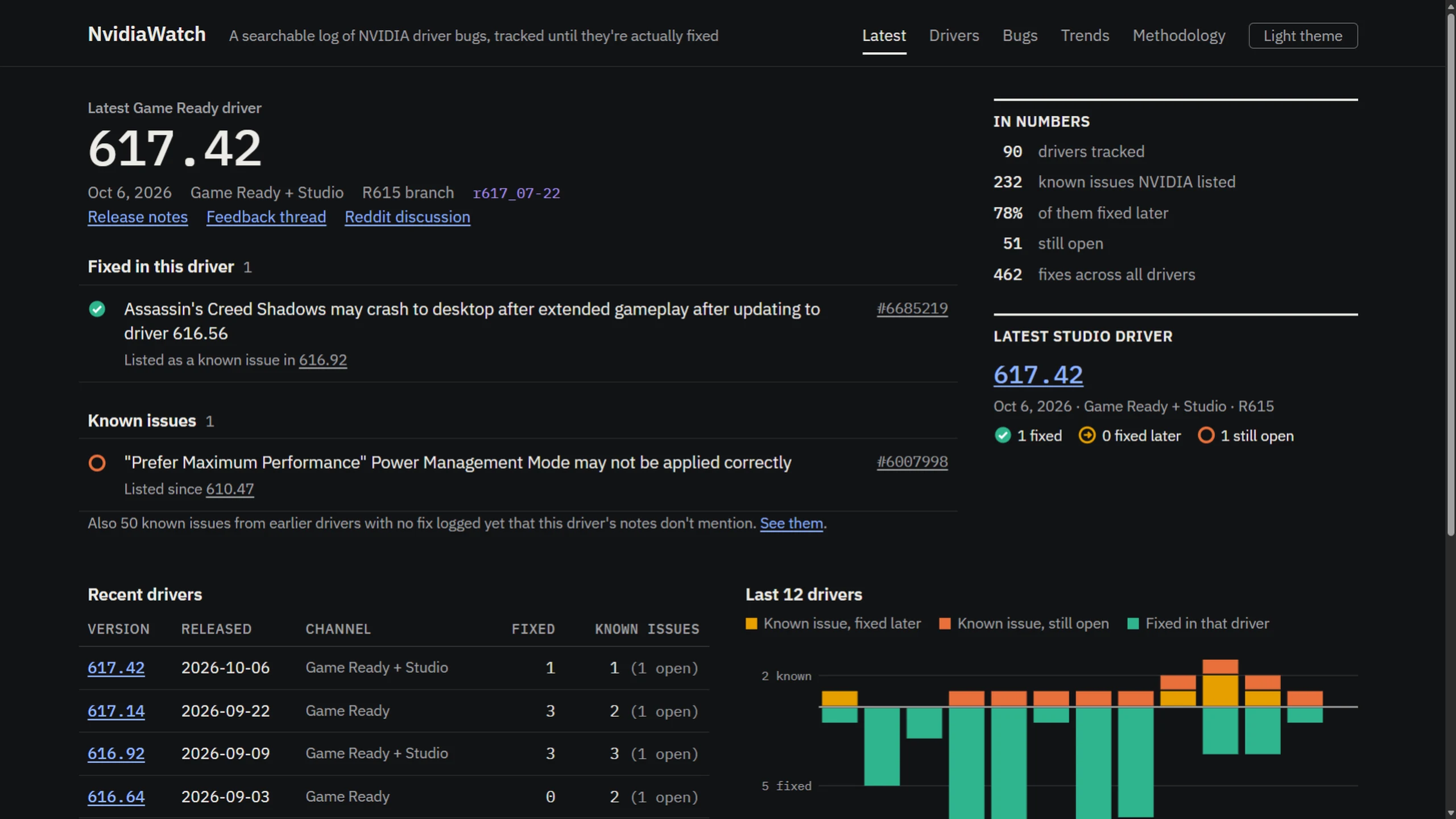
NvidiaWatch Links Driver Bugs Across Releases—and Exposes the Limits of Bug Counts
The community tracker turns scattered Nvidia notes into issue histories, but shifting snapshots, missing acknowledgments and chart categories prevent a universal driver ranking.
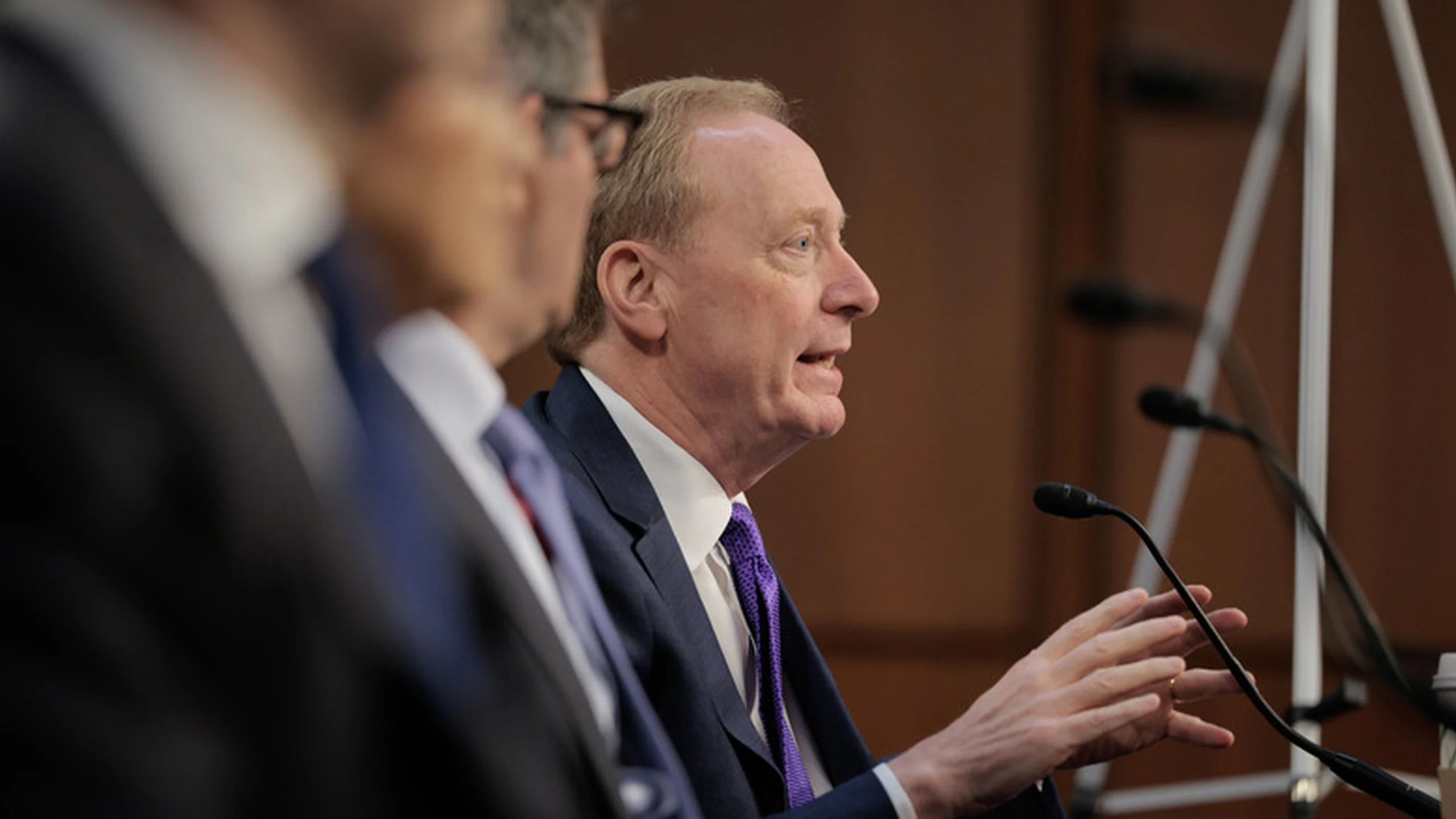
Brad Smith’s milk comparison puts AI safety—and Microsoft—under scrutiny
Microsoft’s president calls for emergency controls, independent evaluation and victim protections. The debate turns on enforceable duties, not a universal kill switch.
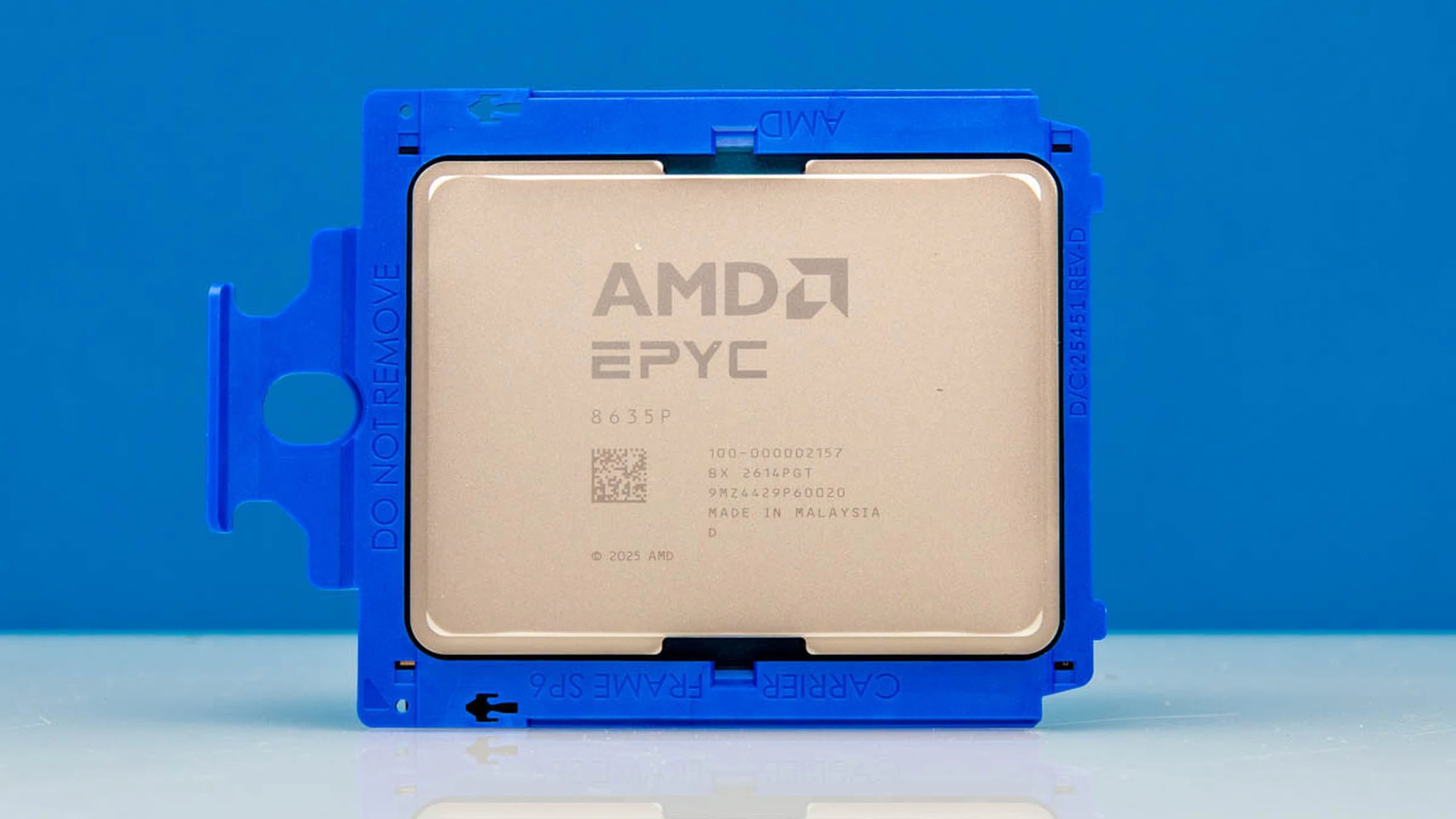
AMD EPYC 8005 broadens SP6, but Sorano value depends on shared resources
Seven Zen 5 processors retain six memory channels and 96 PCIe lanes. Clocks, cache, licensing and qualified benchmark comparisons separate their real use cases.
Why a Chatbot Citation Is Not a Medical-Device Validation Check
A study of home blood-pressure monitors found that assistants could cite registries and still misclassify devices. Exact model matching needs direct evidence.
NVIDIA’s Reported Reflection Talks Test the Boundary Between Open Models and a Neutral Platform
A purchase, team-and-technology arrangement or larger investment would have different consequences. Beam’s announced training scale explains the attraction, while release promises and partner trust remain unresolved.
Nvidia VoiceChat opens full-duplex tools, but task completion remains the test
VoiceChat pairs strong interruption results with 42.2% argument accuracy and 33% first-attempt task success. Open weights and license permission do not establish production readiness.
Claude patching study finds a 29.5-point gap between crash and maintainer tests
Opus 4.7 stopped 90.2% of supplied exploits but passed 60.7% of developer tests. Controlled experiments show how prompts, PoCs and grading shape repair claims.

Google's Finland Halt Puts Its Land, Legal Defense and Restoration Under Review
The Finnish pause affects disruptive work at Muhos and Kajaani. Google's €13 billion investment context, forestry defense and 130-hectare planting plan do not replace unfinished assessment.